



 14.81°C Kathmandu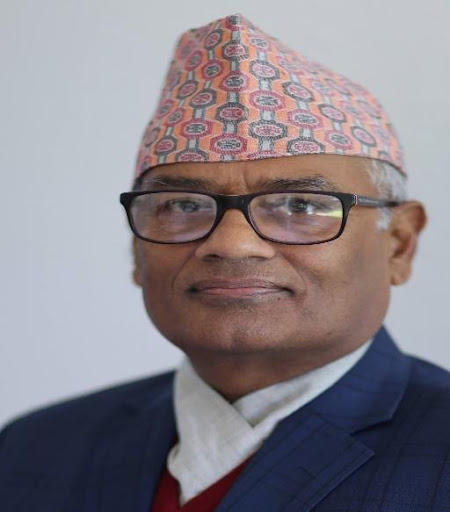

Sat, Oct 24, 2026
Columns
Roller-coaster of global trade
Nepal must introduce policy reform to cater to the changing dynamics of trade and investment.
bookmark
Purushottam Ojha
Published at : December 3, 2025
Updated at : December 3, 2025 06:48
The international trading regime is experiencing an unprecedented shift due to geopolitical tensions and the rise of protectionism. Global trading rules are being distorted, if not ignored, as trade is being weaponised to show supremacy and achieve foreign policy objectives. The Trump administration has taken the lead in this campaign, bringing a ripple effect in many countries that are trade partners of the United States.
The imposition of multiple rates of customs duties by the US administration, which vary from country to country, goes against the principles of the multilateral trade rules. The General Agreement on Tariffs and Trade (GATT) rules, which govern international trade, basically rest on three principles. These provisions of the global trade rules have been trampled under the rubric of reciprocal tariffs by the US government.
Almost all countries in South Asia trade with the US. India is the largest exporter in this region, generating surpluses in its trade with the US, resulting in a pyrrhic victory of attracting higher tariffs (up to 50 percent of the value) on its exports. Among other neighbouring countries, Bangladesh and Sri Lanka are subject to 20 percent additional duties, while Pakistani goods are subject to 19 percent of such tariffs. Nepal falls into the category of countries with baseline duties of 10 percent on the grounds of a negative trade balance with the US. But, with a cautionary tale that the rate of duties may go up if the Nepalese exports exceed the imports from the US in the future.
The unstable tariff, trade policies, consequent retaliatory tariffs and non-tariff measures are affecting the global supply chain and investment regimes. In the changing scenario, exporters face the hard choices of shifting their production units from the countries facing higher duties to the lower ones. But, in the absence of stable tariff regimes and clarity about the rules of origin, they are susceptible to facing the wrath of illegal transhipment, and hence are confronted with a dilemma.
Nepal’s role in the global supply chain is negligible due to the paucity of products, low level of productivity, processing capacity and higher transaction costs. The country is also at its low ebb in the ranking of FDI-receiving countries, which is hindering the growth of industrial production. However, this turbulent moment in global trade has been perceived by some as an opportunity to divert trade from two neighbouring countries in favour of Nepalese exporters. But it comes with several caveats.
Coping with the current stint of economic turbulence requires consolidating the national capacity for production, marketing of domestic goods and services. A multi-pronged approach needs to be pursued to sustain and enhance the export trade of the country.
Primarily, there should be a focus on promoting the niche products that are of comparative advantages to the country. Highland and high-value agricultural products can be put under this category. Exports of products like fruits, spices, large cardamoms, tea, coffee, medicinal herbs and hard cheese are on the rise, contributing to the rural economy. Cement and plywood are mineral—and forest-based products that have been gaining ground in the export sector over the past few years. The government should consider enhancing these and other products listed as export potentials in the Nepal Trade Integration Strategy 2023.
Strengthening quality assurance, quality control regulations, and facilities should be another important action to support the export sector. This will be a milestone in the facilitation of market access, as this enhances confidence among the trading partners to accept the test and certificates of Nepalese quality assurance institutions that may help to conclude mutual recognition agreements between the partnering countries.
Third, the untapped market access opportunities in other South Asian countries should be explored and realised. Nepal is incurring a high trade deficit with Bangladesh, while the trade with Sri Lanka is minimal. The path of bilateral agreement may be pursued if the current state of the South Asian Free Trade Area (SAFTA) does not show signs of recovery in the near future. The trade agreement to be concluded henceforth should be comprehensive, with a departure from the traditional way of dealing with tariffs. Focus would be required in the vertical and horizontal integration of the production processes among the partnering countries.
Fourth, the government of Nepal should pursue an aggressive marketing strategy to diversify the exports from the traditional markets in Europe and America. Besides, the neighbouring countries in South Asia, countries in Africa, the Middle East, the Far East, and the Pacific could be the potential export destinations. Nepalese embassies should mobilise their strength in organising buyer-seller meetings, facilitation in participation in trade fairs, G2G dialogues for exploring the bilateral trade agreements, and marketing for foreign direct investment.
Service trade is the alternative sector to complement the trade in goods and reduce the burgeoning trade deficit. Tourism and energy sub-sectors have been on the rise over the last decade. Development of infrastructures and policy reform should be a priority to encourage these sub-sectors. In the meantime, focus should be given to developing improved health and education facilities in the country.
Being a landlocked country, Nepal should focus on developing digital services. Adopting digital technologies benefits the country in two ways. First, using digital technologies in cross-border trade and transit operations can significantly reduce transaction costs by replacing paper documents with digital ones and enabling faster clearances by border and port authorities. Second, the interconnectedness of various regulatory institutions through a digital platform like Single Window makes it easier for businesses to operate more efficiently. There is a need for developing sector-specific Artificial Intelligence-enabled services to further simplify the existing investment and trade-related processes.
Finally, effort is needed to introduce policy reform to cater to the needs of changing dynamics of trade and investment at the global and regional level. Infrastructures related to digital technology, like data centres, telecommunication, and internet facilities, should be enhanced. The government should focus on financing innovation and start-up projects that, in turn, encourage private investment from inside and outside the country.
Purushottam Ojha
Ojha served as commerce secretary for the government of Nepal.




Most Read from Columns



Editor's Picks





E-PAPER | October 24, 2026

×