Free screenings bring back the joy of shared cinema
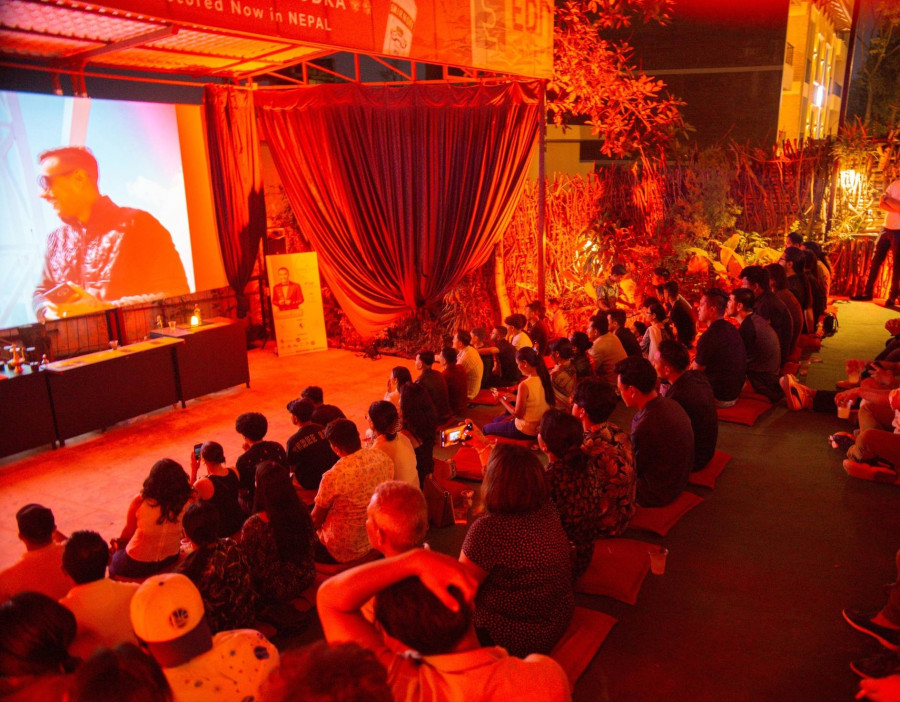
From open-air nostalgia to student-led clubs, free movie screenings are making cinema more accessible and communal again. Movies often become a convenient way to learn, understand, and practice different languages—a practical exposure to pronunciation and dialects. Photo: Courtesy of Eden Sanepa
Turning evenings in Kathmandu into something else entirely, free film screenings transform pedestrian hangouts into exciting and vibrant gatherings underscored by the thrill of cinema. Evoking conversations about culture, languages, plots, characters, history, genres, and settings, these screenings subsume more than mere entertainment.
Cinema in Nepal was once a collective ritual—open-air, a single screen, and entire communities gathering under the night sky. Today, multiplex halls determine which movie gets the big screen—obscuring the ones that contain sharp cinematic resonance but do not seek commercial success. Free film screenings, in essence, emerge not just as an alternative but as an amplifier of stories, expanding cinema culture and bridging traditions, generations, and languages.
They also help revive the classic films by inviting them to mainstream platforms. “Some of the most beautiful works of cinema come from different cultures, languages, and traditions, and people may never see them without these screenings,” shares Arjun Tiruwa, film student at Oscar International College and co-founder of Oscar Chalachitra (film) Club. “When people watch these films together and talk about them afterwards, something special happens. You begin to understand the world differently. Cinema is not only entertainment. It is a way of sharing human experience.”
The aim, for him, has always been to expand the horizon of film culture, moving beyond the focus of commercial distribution. “The screenings are free because the purpose is not business,” he explains. “The purpose is to share cinema.”
The free screenings can have deeper ramifications for students, offering monetary assistance and cultural exposure through film. Navigating perceptions and ways of life, they participate for reasons beyond financial benefits. “There is no class for watching movies. Free screenings make it easier for people to come without worrying about money,” shares Tiruwa. “When more people can watch a wider range of films, the overall understanding of cinema will grow. And for students, this can be very important because cinema can teach you about life, culture, history, and emotions in a way that nothing else can.”
Tiruwa adds that it offers cultural opportunities to those who might not be able to afford theatre tickets, making niche or independent films accessible to a wider audience. “We screened Uncle Boonmee Who Can Recall His Past Lives on March 13, a Thai film that won the Palme d’Or in 2010. Such films will never be commercially screened here. It is culturally rich and very different from mainstream movies. After the screening, we discussed the film together. Everyone shared their own thoughts, and I understood the movie better by listening to others.”
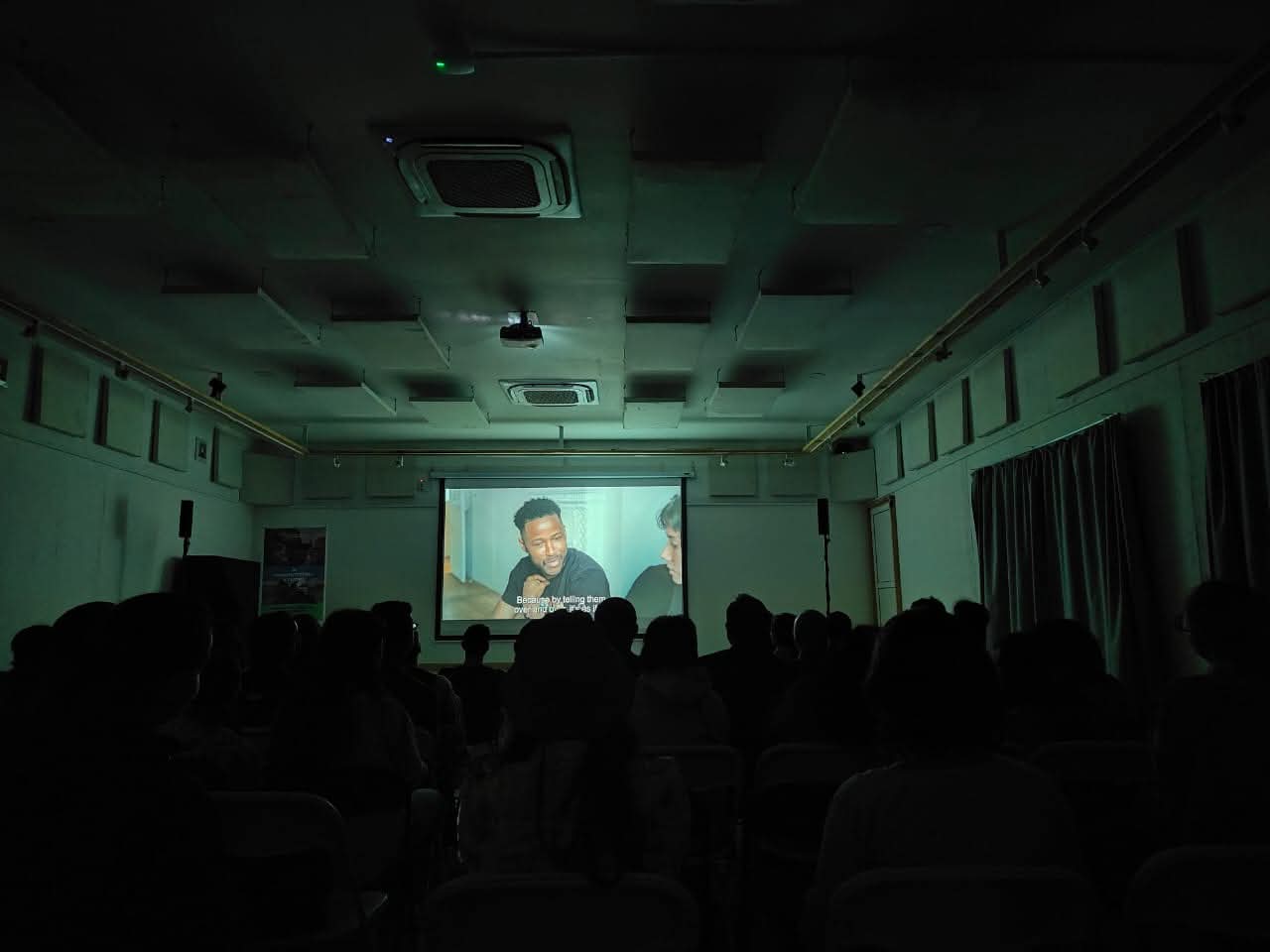
Photo: Courtesy of Alliance Française Kathmandou
Mukesh Chapagain, a regular viewer of the Oscar film club’s screenings and a cinema student, shares a similar experience. “There is a special pleasure in watching a movie together with many cinema lovers. By participating in the question-and-answer sessions after the screenings, many aspects of the film come out, giving people an opportunity to open up to each other,” he explains. “This small step targeted at movie lovers is commendable.”
Alliance Française Kathmandou, reinforcing its core mission of sharing French arts and culture with Kathmandu, holds free screenings of French and Francophone films every Thursday and, once a month, projects Nepali filmmakers’ works. “In an era of streaming services where people are mostly watching films alone at home, these screenings help preserve the communal experience. For us, it’s a wonderful way to bring French culture to everyone in Kathmandu. Plus, once a month, we offer a ‘carte blanche’ to Nepali filmmakers, screening local works (like shorts and animated films) that rarely make it to commercial cinemas,” shares Lucie De Barros, cultural and communication coordinator at Alliance Française Kathmandou.
Movies often become a convenient way to learn, understand, and practice different languages—a practical exposure to pronunciation and dialects. “Movies offer a unique window into everyday life, revealing diverse perspectives on culture and language,” she shares. “For French learners, they’re a fun way to practice the language outside the classroom. For everyone else, they’re an opportunity to discover compelling stories.”
The screenings can also help viewers discover new favourites. One can walk in without particular expectations and leave with an aftertaste of excitement and inspiration to explore and understand the cinema in question through a wider, sharper lens.
“A director I wouldn’t have met if not for the screenings is Subina Shrestha. I remember the screening of the documentary called Devi. I met the director during the screening, along with Devi herself, the documentary's main focus. You rarely meet women directors with such a fierce note of her surroundings, and that experience and acknowledgement revived my passion as a viewer,” shares Puspa Bhandari, a regular at many movie screenings around the valley.
She also believes that film screenings are essential to preserving the core values and authenticity of film and to reviving the purpose it serves. “I feel that people losing a sense of leisure and hamster wheeling through life is sad. Film screenings are essential for culture, context, and the shaping of society’s spirit. It is essential to revive old films and understand their impact.”
When sharing experiences with film admirers, the screenings become more about curating a community. “Especially when you watch film screenings, it feels like everyone is riding through the same wave and the collectivism impacts your life,” says Bhandari. “It is not an absolute necessity to like or adapt to every film conscience you encounter, but it definitely influences how and why you think and especially choosing whom to be around.”
Perhaps the true value of free film screenings lies in the experiences they provide rather than in monetary evaluations. The time, conversation, and connection enable cinema to escape commercialisation and become a memorable, lived experience.




 20.11°C Kathmandu