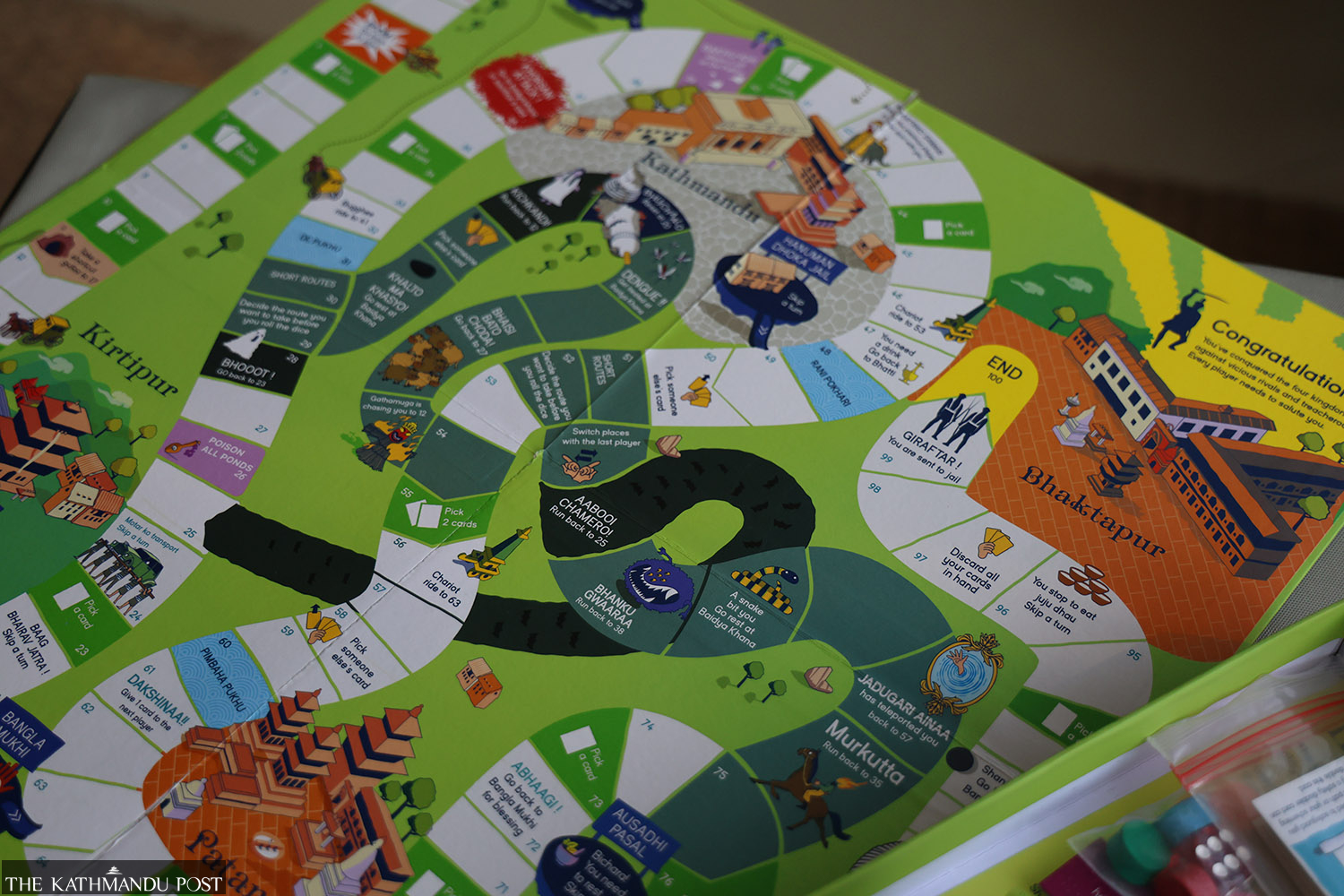
By blending Nepali history and traditions into interactive experiences, Alchi’s board games encourage you to be anything but alchi. One of their best-selling products, ‘Samrajya’, is based on Prithvi Narayan Shah’s conquest of the Kathmandu Valley. Mokshyada Thapa/TKP
Do your parents also label you as alchi (lazy)? Next time, show them it’s not a flaw but your greatest strength.
This is what Alchi, Nepal’s first board game company, is attempting to do. Redefining ‘lazy’ as a smart, creative way to do more in less time is not easy. But this brand has managed to do just that.
While in the US, Alchi’s founders, Kreeti Shakya and Manish Shrestha, played many board games. Upon returning to Nepal, they observed a lack of variety in the local board game market. This led them to found Alchi and create games that blend Nepali culture and history.
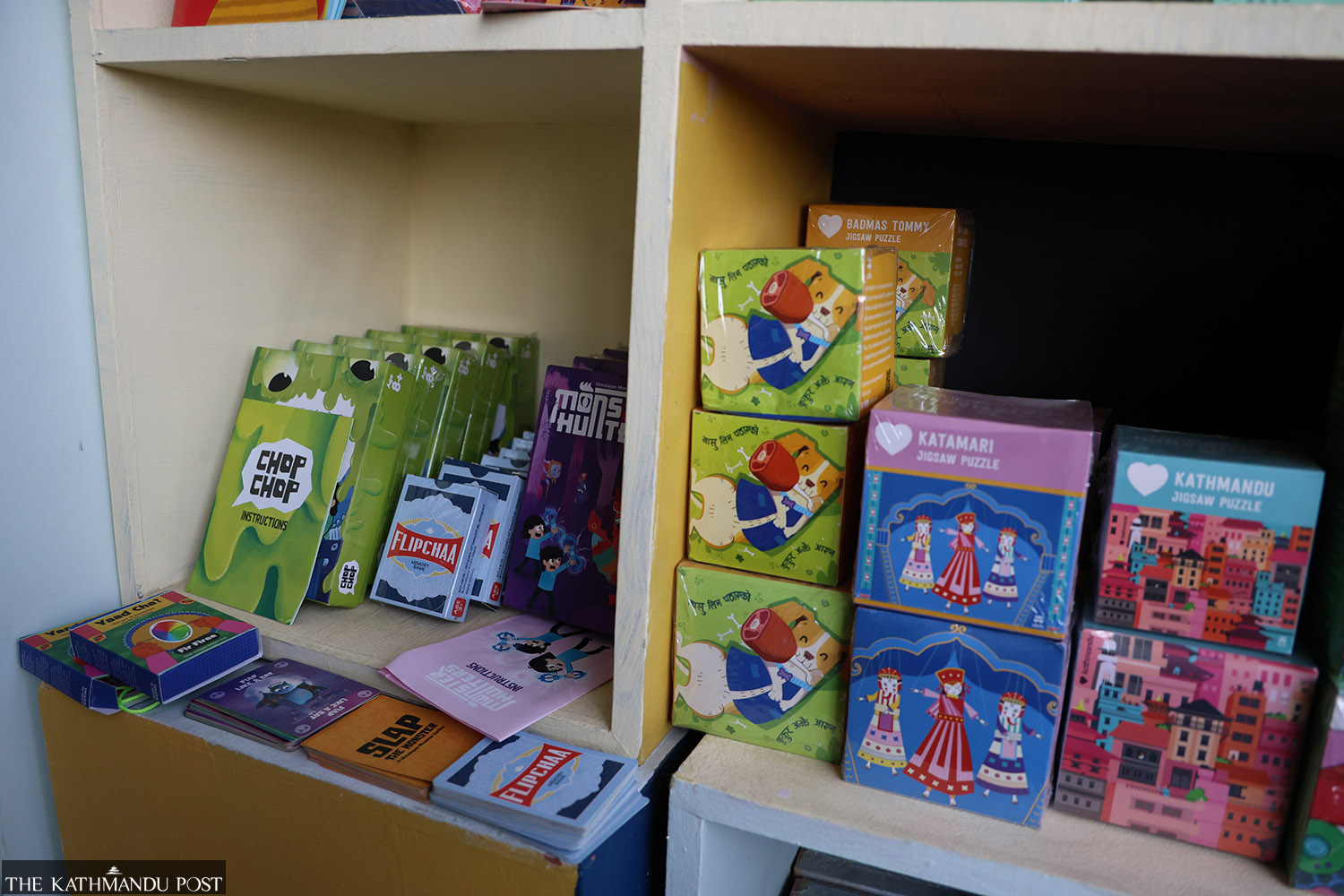
The company believes in celebrating the beauty of Nepali roots and culture through interactive, educational games and stories that bridge generations. They currently operate over 60 retail stores selling their products. Their games are also available for purchase on the website.
From storybooks about monsters that prompt kids to reflect on their hygiene habits to folk-monster stories, Alchi has established itself not just as a game company but as one that educates today’s children beyond their mobile phones.
While companies like Alchi are trying to address deeper problems in Nepal’s goods manufacturing, challenges remain. Mokshyada Thapa/TKP
“Every product is well thought-out to narrate a message of its own,” says Shakya. This is clear in each of their products. The games are not just about teaching right and wrong. They also inform players about sensitive yet urgent issues such as disaster management and endangered species in Nepal.
Beyond being informative and rooted in culture, these group and solo games help build diverse skills. For example, ‘Jatra’ invites players to think in rhymes, invent silly acts, or perform in funny ways—encouraging creativity and independent thinking.
Not only do you have to be creative, but you also need to be strategic with your moves in these games, such as ‘Baagchal’. The name itself means “tiger move”. The game pits four tigers against twenty goats in a timeless test of strategy.
To top it off, most games require brief moments of social interaction, which we are hesitant to engage in these days. These games also help enhance social skills and confidence in interacting with others. Playing games, narrating stories, and solving puzzles together may seem extravagant to some people. Yet these moments are the true source of bonding and are most evident in parent-child relationships.
Mokshyada Thapa/TKP
One of their best-selling products, ‘Samrajya’, is a board game based on Prithvi Narayan Shah’s conquest of the Kathmandu Valley. At first glance, one might find it bizarre seeing Nepali elements like ‘Khorsani attack’ (chilli attack) or ‘Shani graha’ (malefic deity Saturn) on a board game’s route. As amusing as it sounds, the game is designed to tell the story of King Shah’s historical journey.
It will take you through Kirtipur, Kathmandu, Patan, and finally Bhaktapur; the games do not compromise historical accuracy. Although this game is recommended for children ages six and up, the structure of ‘Samrajya’ and nostalgic cultural features can also draw adults to play.
They also offer a few adult-focused games. Like, ‘Fittu’ is a drinking game including fun dares and the unravelling of secrets.
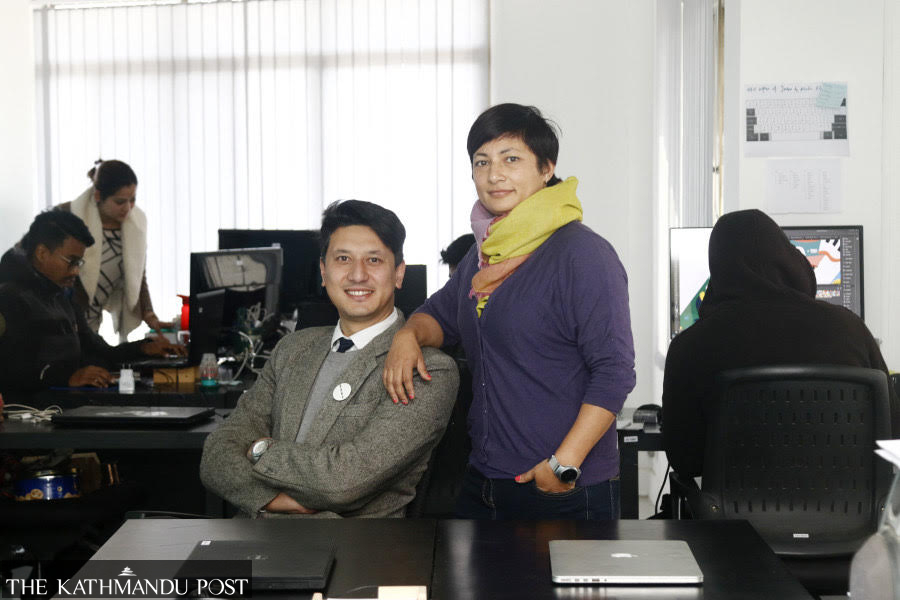
Founders of Alchi, Kreeti Shakya and Manish Shrestha. Post file photo
Another unique feature of Alchi games lies in their production. All puzzles, board games, storybooks, and card games are produced in Nepal. Additionally, the company prioritises eco-friendly materials in its games. The tokens (gattis) are all made from wood. The bags used to carry these games are made from recycled sarees. Here, quality goes beyond durability. This sustainable choice shows that the brand’s message is not limited to teaching children; it is also about ethical responsibility.
“We want to challenge the view that quality products cannot be produced in our country,” says Shrestha.
While companies like Alchi are trying to address deeper problems in Nepal’s goods manufacturing, challenges remain. Small printing errors or inconsistent product sizes often affect the final quality. These issues are especially visible in board games, which depend heavily on strong visuals.
The story of Alchi and many other brands producing in Nepal shows that government reforms to quality control and business regulations need to be stronger.
Slowly, the habit of gathering with family and friends for brief conversations or meaningful moments is fading. Reviving it, however, does not require much—playing games together for fun is a small step. Even a lazy person can do that. So why aren’t we all being a little more alchi?




 26.78°C Kathmandu