Porters keep tourists moving. But who looks after them?
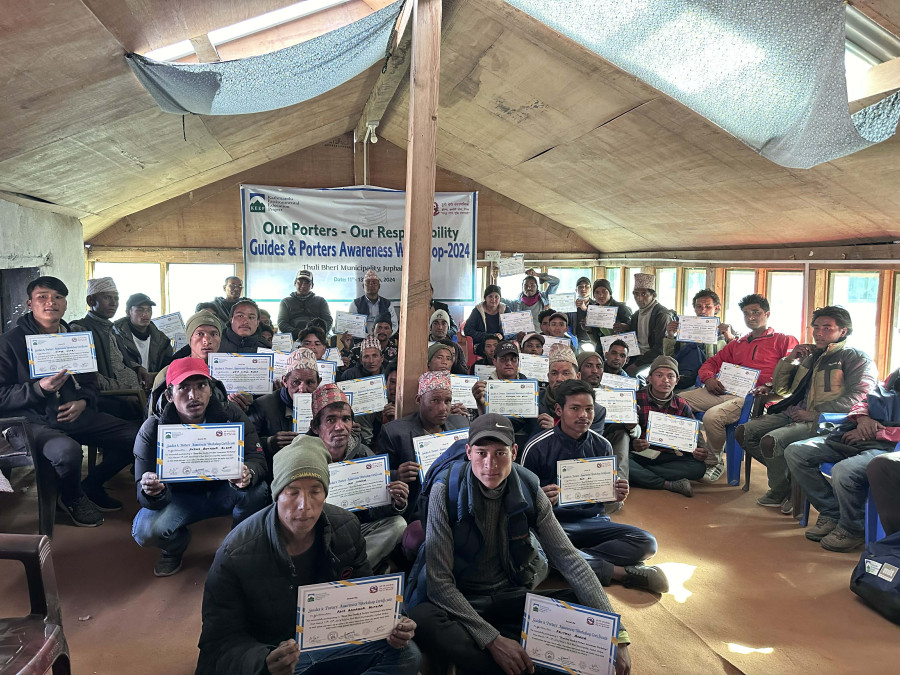
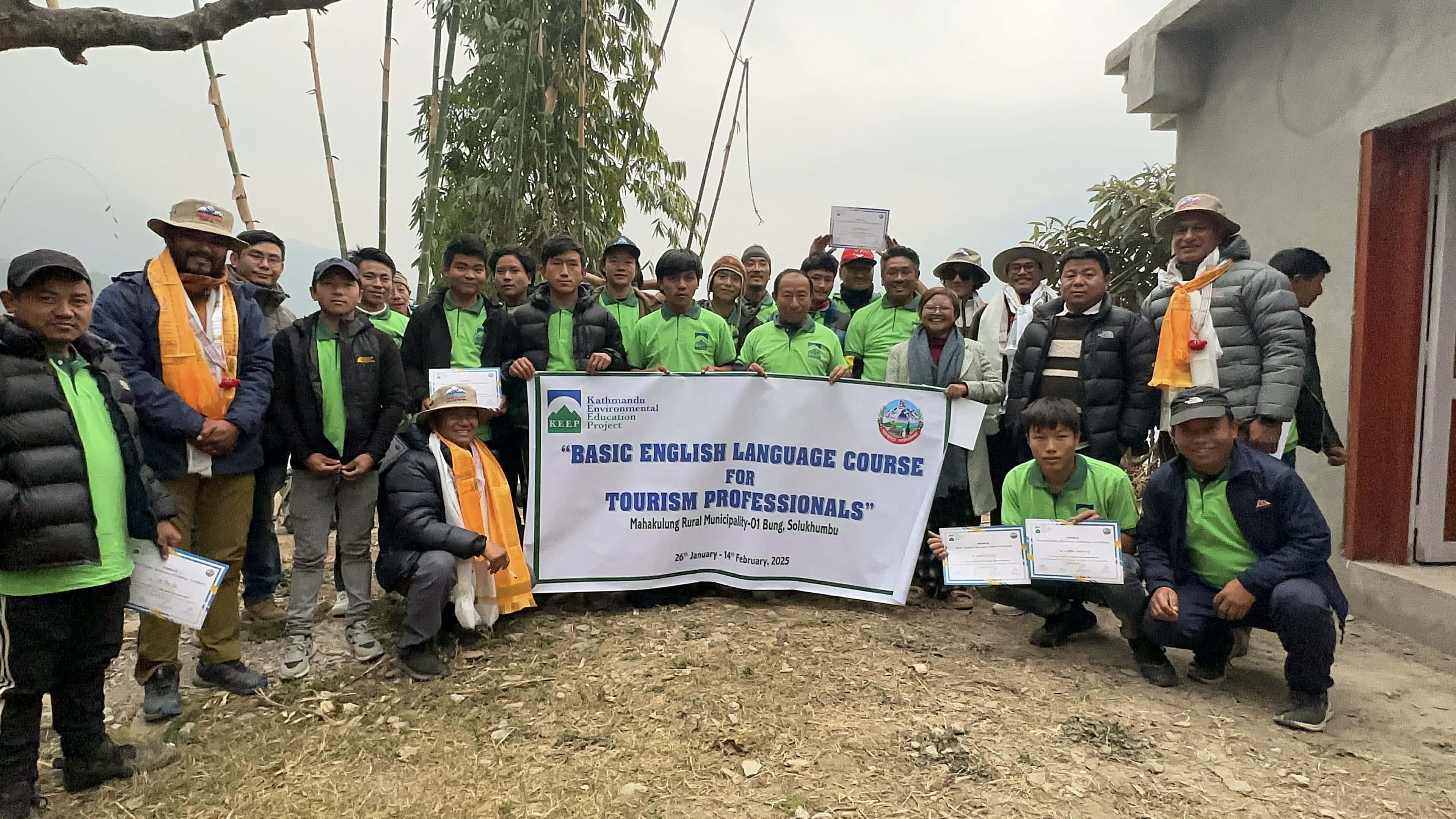
Thousands of porters support Nepal’s trekking industry, yet many still work without proper gear, fair wages, or full knowledge of their rights. KEEP is trying to change that. To inform more porters about their rights and duties, the Kathmandu Environmental Education Project (KEEP) organises porter awareness workshops during the off-season not only in Kathmandu, but also in areas where a lot of porters come from, like Solukhumbu or Langtang. Photos: Courtesy of KEEP
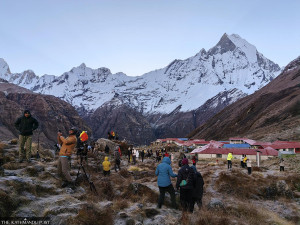
Altitudes over 5,000 meters, snow, and temperatures well below zero. Trekkers in hiking boots, down jackets, and small backpacks walk slowly, saving their energy and breathing heavily.
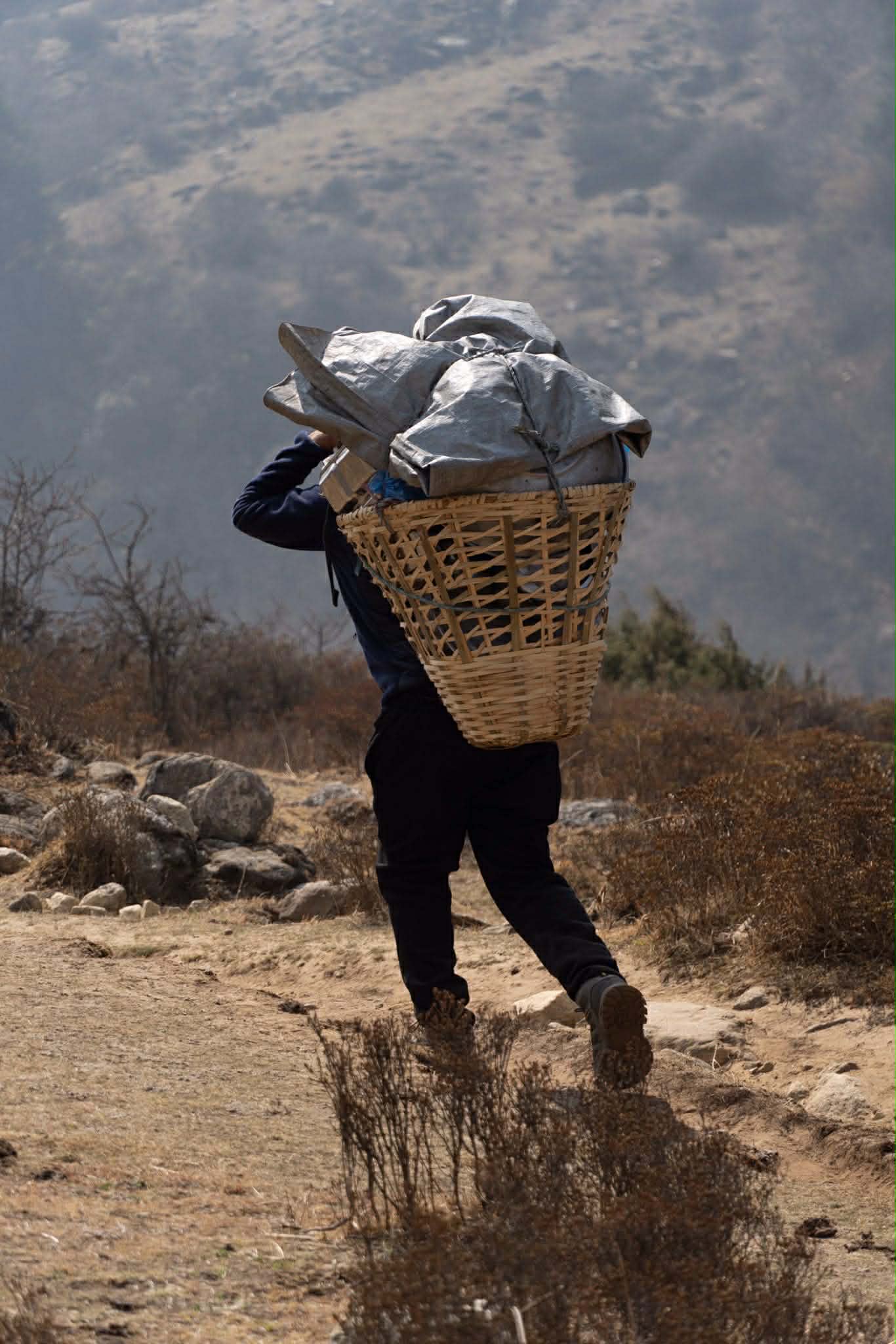
They are overtaken by men in canvas shoes, carrying bags weighing 40 to 60 kilograms. Porters carrying very heavy loads, often in thin clothing and poor shoes, are a common sight on trekking routes such as the Manaslu and Annapurna circuits.
There are thousands of porters in Nepal; not all are treated fairly, and not all are aware of their rights. One organisation based in Kathmandu is working to change this: The Kathmandu Environmental Education Project (KEEP) has been advocating for porters’ rights and providing education since 1992.
“One of the biggest misconceptions about porters is that they are superhumans,” Tara Datt Joshi says. He is the manager of KEEP. “But the porters are normal people. Many of them come from the lowlands and are not better adapted to the high altitude and rough conditions than other people.” There are no official government regulations, Joshi says, and no checkpoints where porters’ bags are weighed. But KEEP recommends that porters not carry more than 25 kilos—including tourists’ luggage and their own gear. Above 5000 metres, the load should be even lighter.
These recommendations can save lives: This year alone, at least two to three trekking porters have died in the mountains due to altitude sickness and improper gear, Joshi says.
Many porters are unaware of these rules or recommendations. For example, they may not know that the travel agency is responsible for providing their insurance. They may also not know that the agency should cover their food and accommodation, or at least provide additional funds for these expenses, in addition to their salary. The Trekking Agencies’ Association of Nepal (TAAN) recommends a daily minimum wage of Rs2,400 for porters.
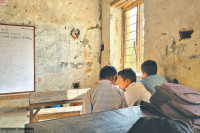
To inform more porters about their rights and duties, KEEP organises several trainings and porter awareness workshops during off-season—not only in Kathmandu, but also in areas where a lot of porters come from, like Solukhumbu or Langtang. In some regions, KEEP even goes door to door to inform the porters about their rights.
“We tell them to first look into the company: if it is properly registered, what the company policies are, and if they have insurance,” Joshi explains. “There are many trekking providers, and in the workshops, the porters learn that they should refuse if someone expects inhumane things from them. It is better to go with an agency that enforces the standards.”
KEEP also offers first-aid training so porters can better care for their health and that of trekkers. “Many porters don’t know the symptoms of altitude sickness, so they push themselves, even though it’s already dangerous,” Joshi says. “In the courses, they learn to read the signs and react appropriately.”
Another popular course is the language training in English and French. The porters develop the ability to communicate more effectively with international trekkers, creating opportunities to advance their careers. Many start as porters, and then become guides, agency owners and sometimes even ministers of tourism. “This is sustainable—when someone becomes an agency owner, they can hire porters, who can then later become the new agency owners,” Joshi explains.
Another critical pillar of KEEP’s work is the clothing centre in Kathmandu, where the organisation stores hiking boots, warm jackets, gloves, hats, socks, and other essential equipment. Many of the items are donated by trekkers upon returning from their tours, or purchased with financial donations.
Porters or travel agencies can borrow the equipment for a deposit. KEEP hopes to open more clothing centres in the future, also in the areas of origin of the porters. “Right now, when a porter lives further away, they often ask friends in Kathmandu to bring them the clothes they need. Or the travel company takes the equipment for porters to the starting point of the trek.”
After returning the items, the deposit is refunded. Companies or porters are only charged for the cleaning costs. “Sometimes, pants and jackets come back very dirty, because the porters have to sleep on the floor,” Joshi says. Many lodge owners want to give the rooms to well-paying tourists, while the porters sleep in very basic shelters.
Even though the situation is still not perfect, it has significantly improved since KEEP started its work. In the 1990s and the beginning of the 2000s, porters often had to sleep outside, sometimes trying to find shelter in caves or behind rocks. When an accident happened, they were left behind, while the tourists got rescued. “It was also due to the awareness of the trekkers that the situation has improved,” Joshi says. “They demanded better working conditions for the porters from the trekking companies.”
Joshi emphasises the responsibility of tourists when they hire one or several porters for their trek. “The biggest effort needs to be done when finding a tour company and booking the trek,” he explains. “Trekkers should ask the company about their policies, the salary for the porters, whether the porters will be properly equipped, or how much they’ll need to carry. And then book with a company that has good working conditions.” KEEP published a list on their website of travel agencies in Nepal that have pledged to follow their standards, and the organisation operates a travel advice drop-in centre in Thamel.
Joshi underlines that hiring porters for a trek, rather than carrying one’s own luggage, helps secure jobs and sustain the trekking industry. For many, being a porter is their only source of income and a vital entry point into the tourism industry. “Porters are the backbone of tourism in Nepal; without them, trekking would not be possible.”




 12.65°C Kathmandu