



 20.62°C Kathmandu

Tue, Sep 29, 2026
Bagmati Province
Bagmati Province finally gets land for administrative complex
Lack of a consolidated headquarters for the province has led to high rental costs and logistical delays, reports have pointed out.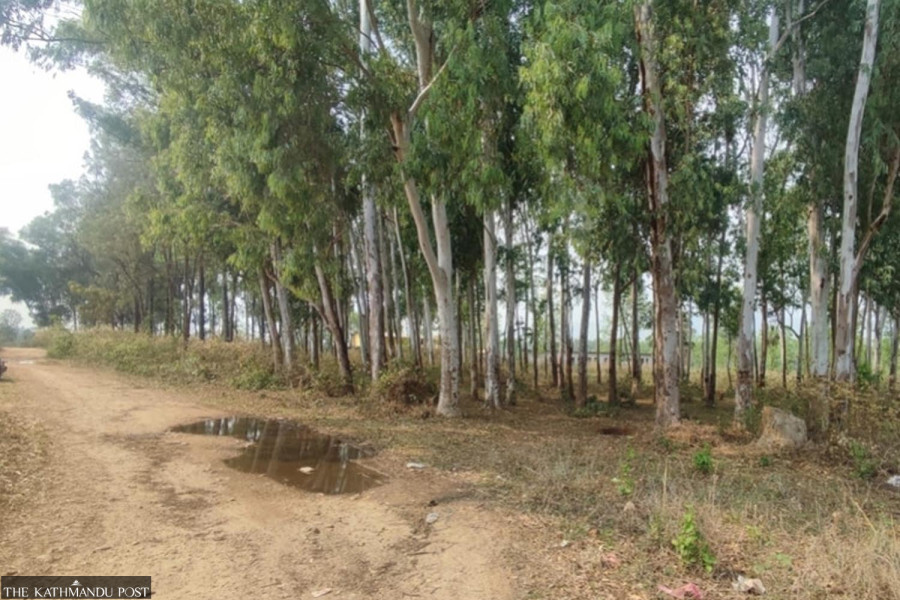
bookmark
Pratap Bista
Published at : April 1, 2026
Updated at : April 1, 2026 06:57
Hetauda
The Bagmati Provincial government has finally secured land for its permanent administrative structures, concluding a six-year bureaucratic struggle. A federal Cabinet meeting held on March 15 approved the use of 31.2 hectares of forest land spreading in ward 16 and 17 of Hetauda Sub-metropolitan City, Makawanpur.
Since the establishment of provincial structures in 2017, Bagmati has seen five chief ministers, yet its ministries continue to operate from cramped public buildings and rented houses. Previous administrations regularly allocated budgets for a permanent complex, but projects remained stalled as it did not get land ownership from the federal government.
According to Ishwar Chandra Marahatta, secretary at the Ministry of Physical Infrastructure Development, the federal government has authorised the removal of 5,226 trees and utility poles within the designated area. “We will begin field operations immediately after formalising the agreement with the Department of Forests and Soil Conservation,” Marahatta said. According to him, the provincial government has already guaranteed funds for compensatory afforestation as per the Environmental Impact Assessment.
The project site, located in Dipochaur, approximately 11 kilometres east of Hetauda’s market place, was previously designated a ‘National Pride Project’ to bypass legal hurdles. The master plan includes 25 modern structures, housing the Chief Minister’s Office, ten ministries, the Provincial Assembly, and the Public Service Commission.
However, the clearing of forest land has met with mixed reactions from local residents. They say the government must ensure the promised replanting actually happens elsewhere to offset this massive loss.
Stakeholders emphasise that operation of major provincial offices in the same place is key to efficiency. “Current service delivery is fragmented across the city,” noted a provincial official. “An integrated complex will finally give the province a sense of permanence and professional dignity.”
Former Chief Minister Dormani Paudel first proposed an ‘integrated provincial structure’ in 2018. Subsequent reports highlighted how the lack of a consolidated headquarters led to high rental costs and logistical delays. The original ‘Singha Durbar Model’ design, initially intended for 14 ministries, is currently being revised to reflect the current administrative downsizing.
With the legal knot untied, the Ministry of Physical Infrastructure Development aims to initiate the tender process within the current fiscal year of 2025-26. “Once the tree felling is complete, we will invite bids for construction,” said Marahatta.
The site includes 27.57 hectares from the Ghyampe and Churekali community forests, alongside 3.45 hectares of public and school land. The Provincial Capital Infrastructure Development Special Project has been tasked with overseeing the construction.
Officials claim the new hub will streamline governance, though environmentalists remain cautious about the impact of felling over five thousand trees in the Chure region. For now, the provincial government views this as a historic milestone in decentralising administrative power from Kathmandu to the provincial capital.
Pratap Bista
Pratap Bista is the Bagmati Province Bureau Chief for Kantipur Publications.

Most Read from Bagmati Province
Editor's Picks

What triggered the Rasuwa flood? Scientists piece together a complex chain of events

The floods keep coming. Nepal keeps starting over

In a settlement destroyed by the Bhotekoshi flood, a disabled couple offer strangers the little they have

Nepal working on detailed assessment as Bhotekoshi flood reconstruction could cost up to $5 billion

Rabindra Dhant gave Nepal a reason to smile. Now his camp wants real action behind the praise
E-PAPER | September 29, 2026

×