Congress to elect thousands of young faces to its ranks
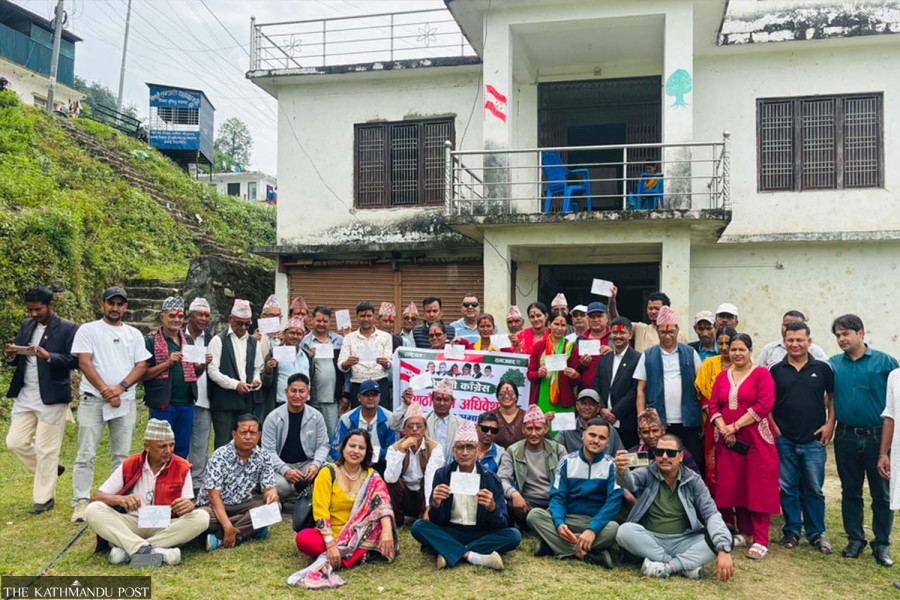
At least 13,483 people under 35 are guaranteed places in party committees from the ward to the central level, with more young members winning leadership posts through open competition. Nepali Congress’ eighth ward convention held in Mangalasen Municipality-5 in Achham. Post Photo
Krishna Thapa, 24, of Bajura went to India looking for work. He worked as a security guard in Delhi and Mumbai and took jobs washing cars and working in hotels. But he did not stay abroad for more than a month. He returned to his village and entered politics. He is now chair of the Nepali Congress ward 8 committee in Budhiganga Municipality.
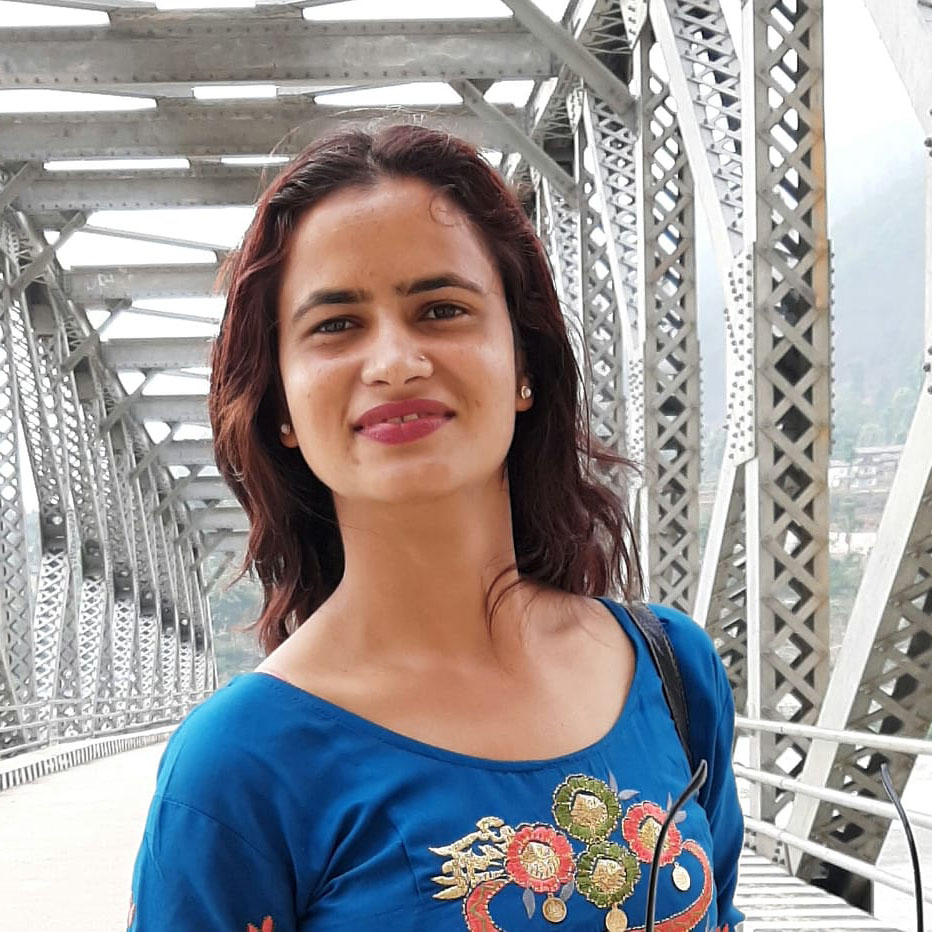
In Jajarkot, Pabitra Malla, 28, was elected chair of the Congress ward 13 committee in Nalgad Municipality at a recent ward convention. Malla, who studied up to grade 10, took charge of the ward committee after about three years of active involvement in the party. “Everyone supported me, saying women should come forward and that we need women in leadership,” she said after her election.
Thapa and Malla are among a growing number of young people taking charge of Nepali Congress ward committees. Others elected through the party’s recent ward conventions include Sujan Danuwar, 25, of ward 5 of Indrawati Rural Municipality in Sindhupalchok, Sanjay Das, 28, of ward 7 of Shambhunath Municipality in Saptari, and Padam Bahadur Budha, 23, of ward 5 of Ramaroshan Rural Municipality in Achham.
The party’s revised statute, endorsed at its special convention last year, guarantees representation for people under 30 at the ward, local and district levels. It requires each rural municipal ward to have at least one member under 30, and each ward in a municipality, sub-metropolitan city or metropolitan city to have at least two. That provision alone guarantees places for 10,270 young members across 6,743 ward committees, excluding those winning through an open competition.
The statute also reserves positions for members under 35 in provincial and central committees and among general convention representatives. Taken together, the new rules guarantee at least 13,483 young members across party bodies from the ward level to the central working committee.
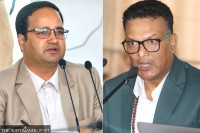
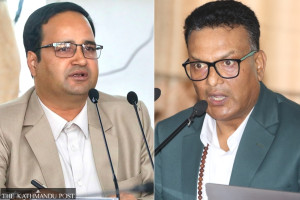
“Based on the enthusiasm we are seeing among the youth, we estimate that they could make up around 40 percent of representation, from the grassroots to the centre, ” said General Secretary Pradeep Paudel.
Congress spokesperson Devraj Chalise said the party’s decision to create a separate quota for young members had triggered unusually strong competition among candidates across the country. “The new provision in the party statute is why young people have been able to take on leadership positions in the committees,” Chalise said.
He said the change was significant for a party long associated with an older generation. “The picture has changed at the ward conventions,” Chalise said. “We have increased youth participation. Now we need to organise and train them and turn that participation into leadership and capability.”
Young people elected to lead ward committees also say they want to use their positions to reconnect the party with local communities.
Danuwar, the new chair of the Congress ward 5 committee in Indrawati Rural Municipality, said he had received positive responses from senior Congress leaders as well as members of other parties and independent young people. His priority now, he said, is to understand the problems facing residents and reconnect the local party organisation with the public.
Danuwar did not enter politics through a family political legacy. No one else in his family is active in politics. He studied civil engineering and took part in last year’s Gen Z movement. “One of the core messages of the Gen Z movement was that established parties need transformation and generational change,” he said. “Politics is also about running the country, so I believe change should be pursued from within an established party with experience.” He said he chose the Congress because of its commitment to democratic values.
Budha, the newly elected ward 5 chair in Ramaroshan Rural Municipality, said he had been interested in politics since childhood. He began following politics since early teens. Senior figures in the village encouraged him to take leadership of the ward, telling him that the future belongs to young people, he said. “I will move ahead by taking advice and guidance from senior leaders,” Budha said.
While many of his friends have left for India or Gulf countries in search of jobs, Budha decided to stay home and join politics. “I felt that instead of leaving the country, we should work to develop our own communities,” he said. “I plan to make the local party organisation more active and press the authorities on development issues.”
Thapa, the party’s ward 8 chair of Budhiganga Municipality, also believes young people should get involved in politics rather than remain outside the system and complain.
He became interested in social work and politics during the Covid pandemic, after completing grade 12. Faced with financial difficulties at home, Thapa went to India to work. But he soon returned. “Even in India, I kept thinking about home, so I returned within a month,” he said. “We need to create more opportunities in our villages so young people don’t have to leave the country for work. Supporting commercial farming, fruit production and livestock could create those opportunities.”
Malla, the party’s new ward 13 chair in Nalgad, said she expected to find a supportive environment in party politics despite the predominance of older male leaders. She has also urged other women to move beyond the confines of the household and enter political and social leadership. “You will get everyone’s support if you dare to move forward,” she said.
Das, the Shambhunath-7 ward chair, said the party needed to address the dissatisfaction younger generations feel towards traditional political parties from within the organisation. “We need to listen to what young people are saying and respond to their concerns,” said Das, a university student. He was elected ward chair unopposed.
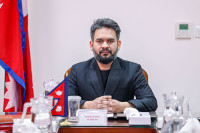
Congress President Gagan Thapa said the party had increased youth participation to help reshape the organisation in line with the ideas, aspirations and expectations of the younger generation.
He said the restlessness and frustration expressed by youth during last year’s Gen Z movement should not be interpreted as a rejection of the political system itself. “Congress cannot ignore young people’s desire for change,” he said. “If political parties fail to change with the times, they will become irrelevant.”
Thapa said technology, jobs and education were among the issues the party wanted to make central to its agenda for young people. He also said the party planned to ensure direct representation of the younger generation in the central working committee in the coming days.
General Secretary Paudel said more than 35,000 young people could eventually enter party bodies when ward, local, provincial and central committees, constituency representatives and general convention delegates are all counted. “The conventions are still underway, so we don’t yet have an exact figure,” he said. “But it is clear that youth representation will be significant.”
The Congress holds conventions at seven levels: ward, local, provincial assembly constituency, House of Representatives constituency, district, province and centre.
The statute does not reserve specific posts for young people among office-bearers at these levels. The quotas apply only to members. Yet young candidates are winning leadership posts, including ward and local committee chairs, through open competition.
According to Raju Katuwal, member-secretary of the party’s Central Election Committee, people under 35 are winning significant representation in many districts. An exact nationwide figure is not yet available because data from local units have not all been entered.
Under the party statute, people under 30 are guaranteed representation from the ward to district levels, while a separate quota applies to those under 35 in provincial and central committees and among general convention representatives.
Apart from the ward level, three young members are guaranteed in each of the 753 local committees, providing 2,259 places. Provincial assembly constituency committees will have one young member each, for 330 places, while House constituency committees will have two each, also totalling 330. The 77 district committees will have three young members each, providing 231 places. Each of the seven provincial committees will have seven members under 35, adding another 49. The central working committee, too, will have at least 14 members under 35, a provision that did not exist under the previous statute.
Youth representation has also been increased among delegates to the party’s general convention, whose members elect the central working committee. Delegates are chosen at House constituency conventions and serve as voters at the central convention.
There will be 33 general convention delegates from each of the 165 House constituencies, with the constituency and local-level chairs also serving as ex officio delegates.
The statute guarantees three delegates under 35 from each constituency, meaning at least 495 young delegates will attend the general convention. Paudel expects the actual number to be much higher.
Political analyst Geja Sharma Wagle said the changes suggested a shift in the Congress’s long-standing image as a party dominated by older politicians. “The ward-level conventions now underway are already changing the narrative that Congress is a party of older people,” Wagle said. “The calls for transformation and generational change within Congress are gaining momentum. Gen Z youths are showing interest in the party from the local level and working their way up.”




 15.68°C Kathmandu