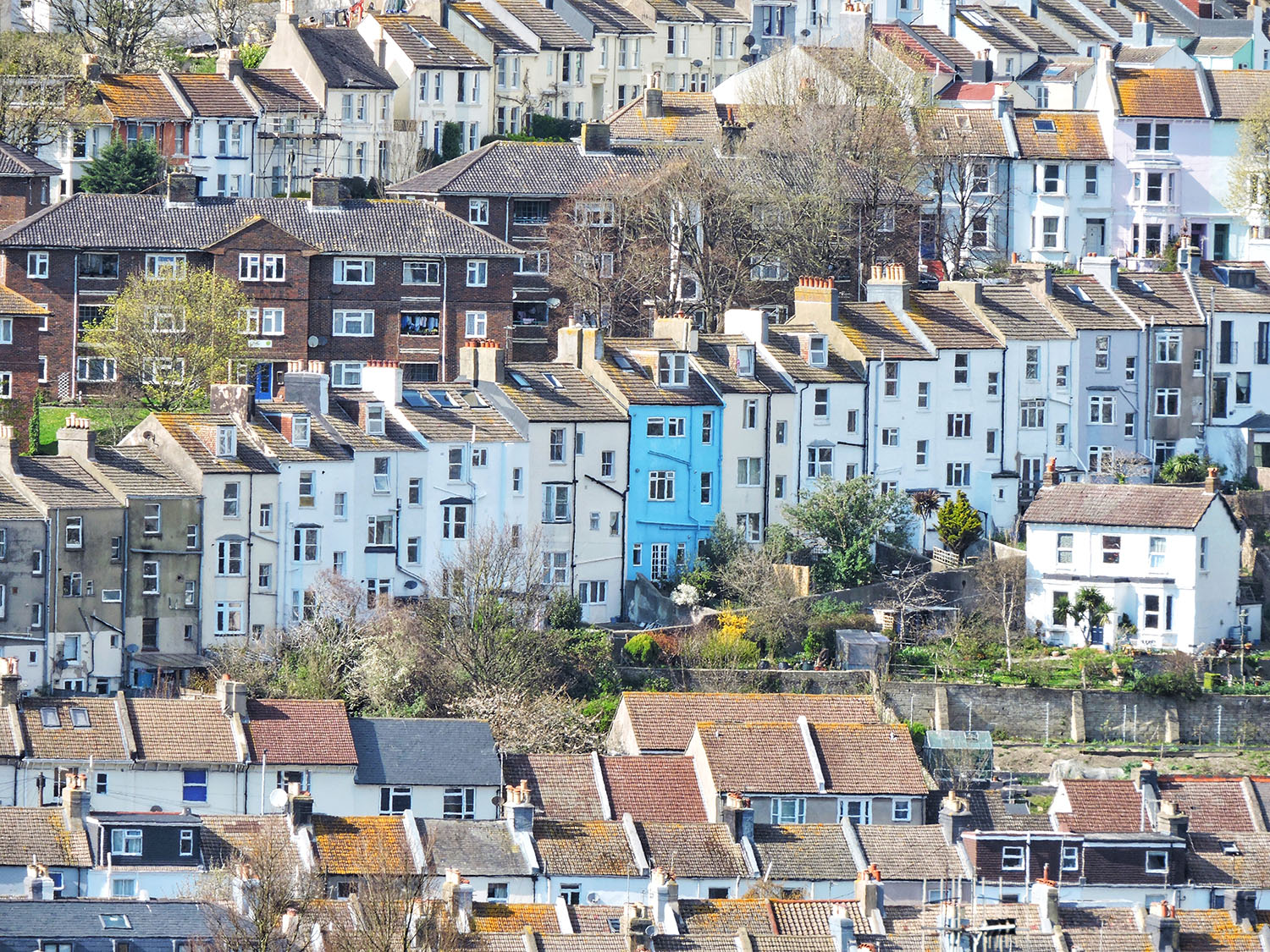
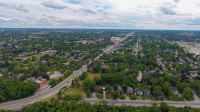
Moulsecoomb is a residential suburb in the northern part of Brighton, home to the University of Brighton’s Moulsecoomb campus. It offers a student‑oriented environment with comparatively lower rents than central Brighton.
Pros: Rent tends to be more affordable, especially in shared houses and student flats near the campus. It’s very well connected by bus to the city centre, shops, and local amenities, making daily life convenient.
Cons: The area is quieter and more residential, with fewer cafes, pubs, and social venues than central Brighton. Some parts can feel a bit distant from the vibrant seafront and nightlife.
Hanover
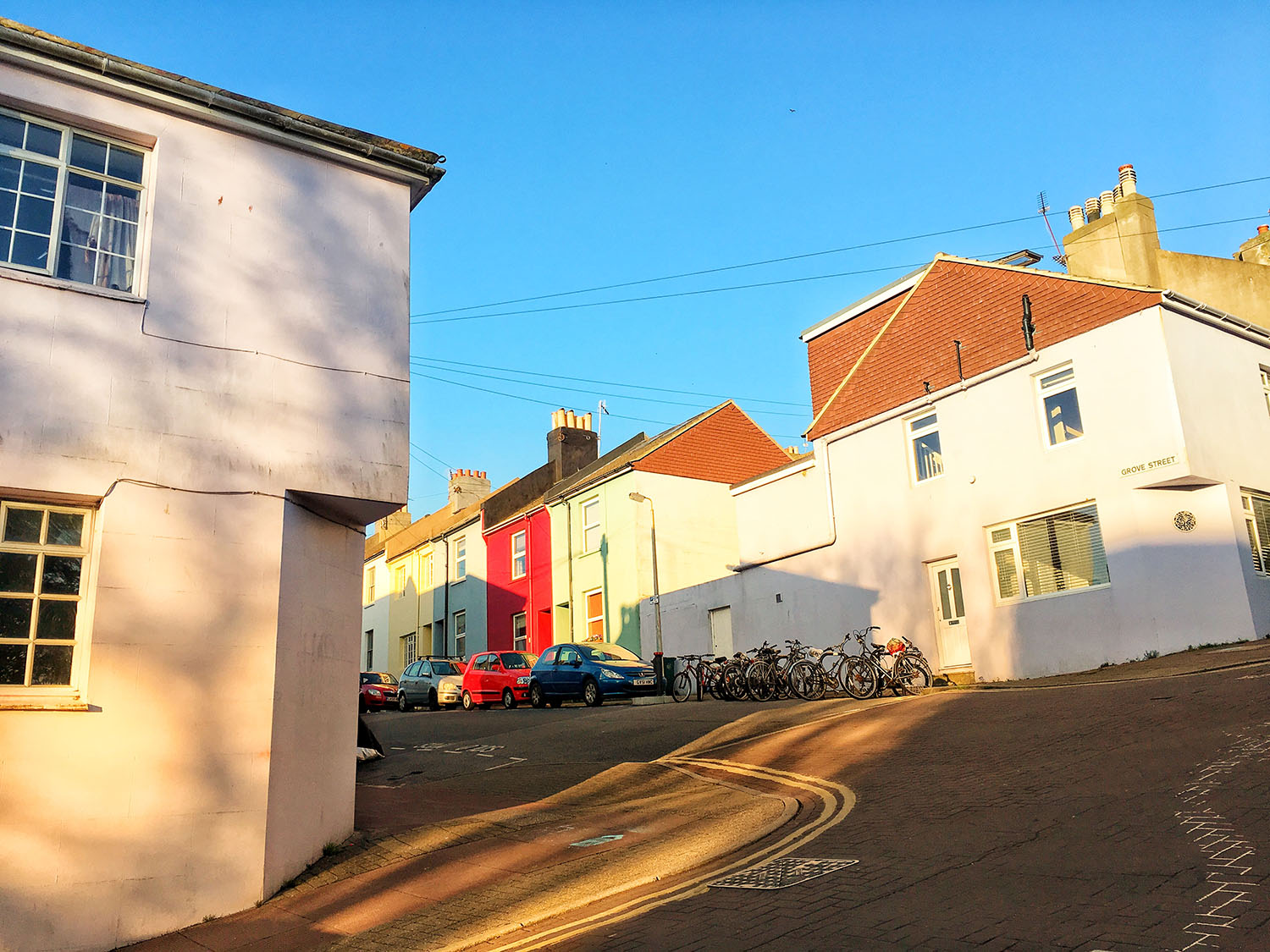
Hanover is an inner‑city neighbourhood just north of Brighton’s centre. Although it’s hilly, it has long been popular with students and young professionals due to its character and comparatively reasonable rents.
Pros: The area has a strong community feel, with affordable shared housing options and access to shops, cafes, and buses to university campuses. It’s closer to central Brighton than many suburbs, making it easier to walk to lectures or social spots.
Cons: Because it’s close to the city, rents have been rising, and some properties are small or older. The hilly terrain can also be challenging when walking with heavy bags or in bad weather.
Hangleton and West Blatchington
Hangleton and West Blatchington are quieter residential suburbs to the west of Brighton. They tend to be more affordable than areas closer to the seafront, and they have good bus links across the city.
Pros: This area offers lower rents and more space for the price compared with inner Brighton. It’s calmer and more relaxed, with supermarkets and local services nearby, making it suitable for focused study and everyday living.
Cons: It’s further from major university campuses and central social hubs, so commuting takes longer, and transport costs can add up. The nightlife and cultural scene are also much quieter than in Brighton proper.
Lewes Road
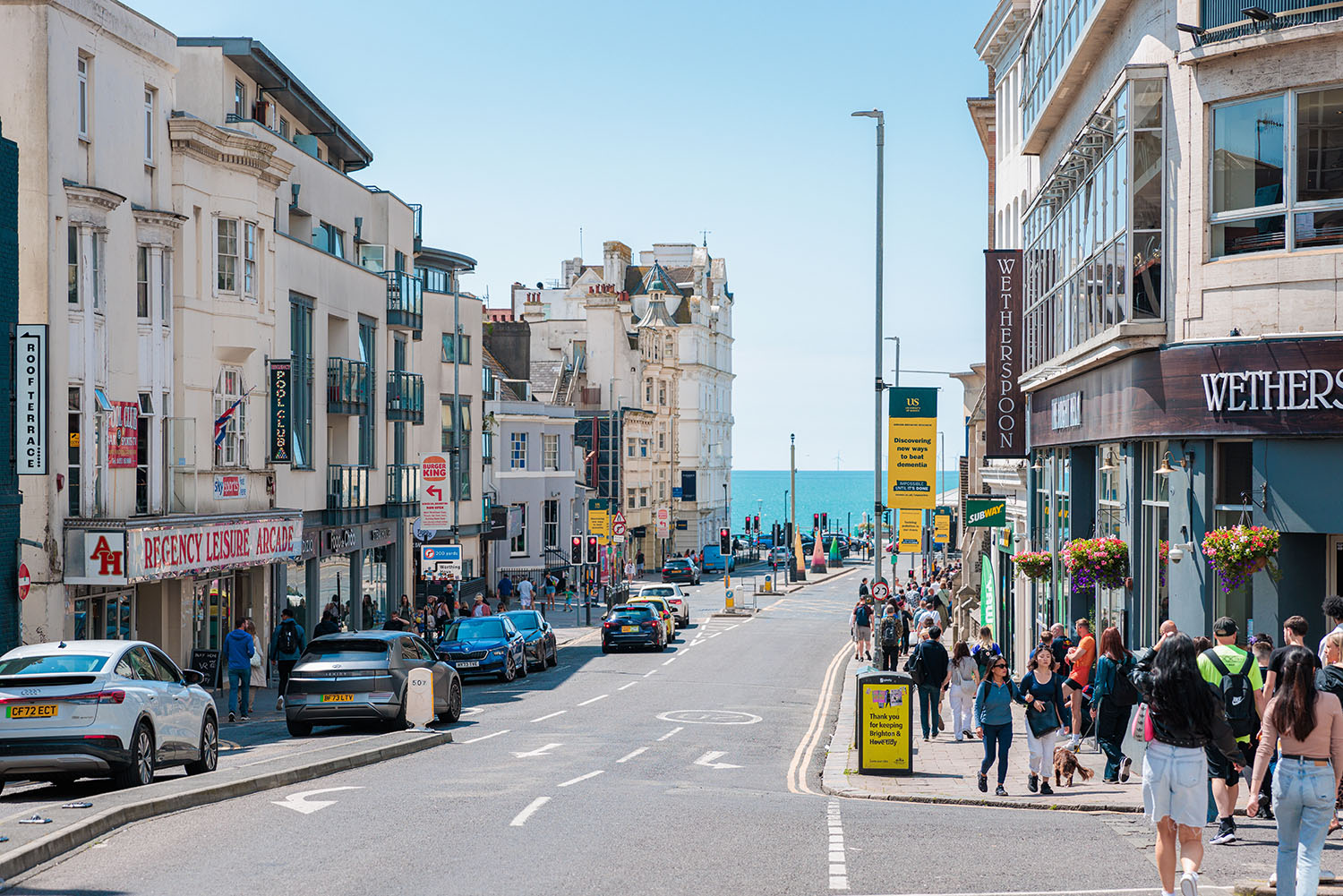
Lewes Road runs 3.46 miles north from central Brighton near Waterloo Place, serving as a key ‘academic corridor’ entry route. It is near the University of Brighton Moulsecoomb campus (within walking distance) and the University of Sussex.
Pros:
Lewes Road has student hubs with cheap eats and shops that support budget living. It has direct transport to universities and the city centre, which helps save time and costs.
Cons:
It has heavy traffic, and the urban setting can feel noisy.
Coldean
Coldean lies about 2.7 miles north of Brighton city centre. The University of Sussex’s Falmer campus is 1.5 miles away, while the University of Brighton’s Moulsecoomb campus is 1.1 miles from the area.
Buses take around 30 minutes to reach the city centre. Falmer station offers train services to Lewes and Seaford.
Pros:
Nearby local shops include cafes, pharmacies, libraries, post offices, and supermarkets.
Cons:
It is less vibrant than central Brighton.
_____________
Based on our conversations with the local Nepali students in Brighton.




 20.11°C Kathmandu