Mahakali bridge opens, ending years of risky river crossings
Jointly inaugurated by Prime Ministers Balendra Shah and Narendra Modi, the bridge replaces risky cable and inner-tube crossings between Nepal and India.
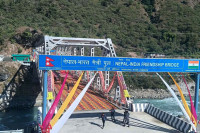
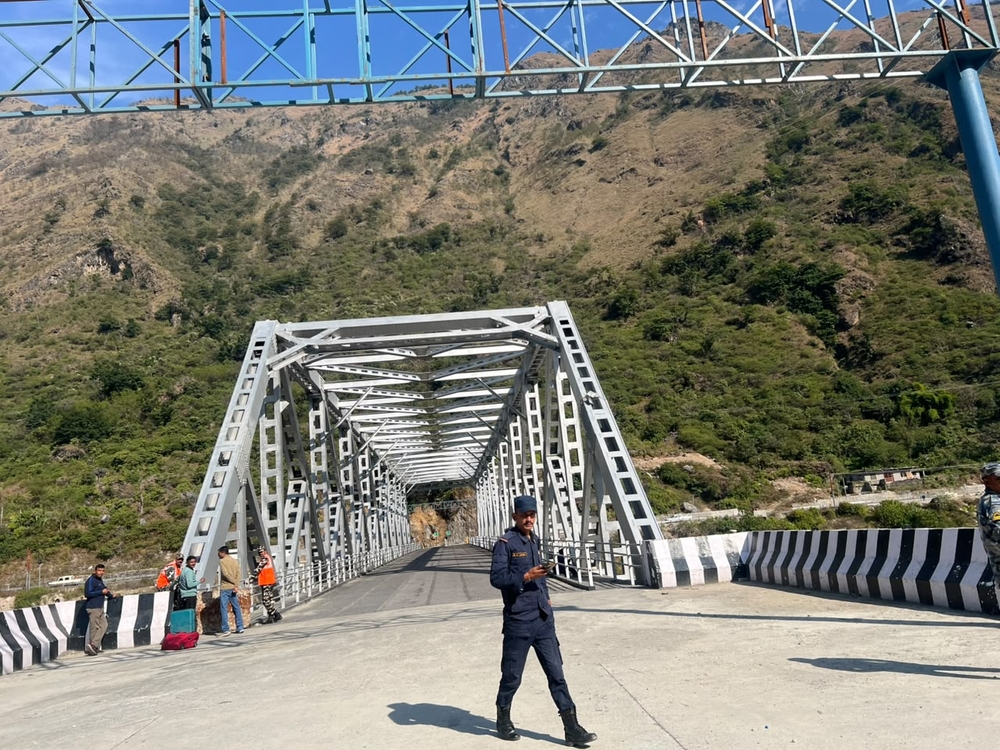
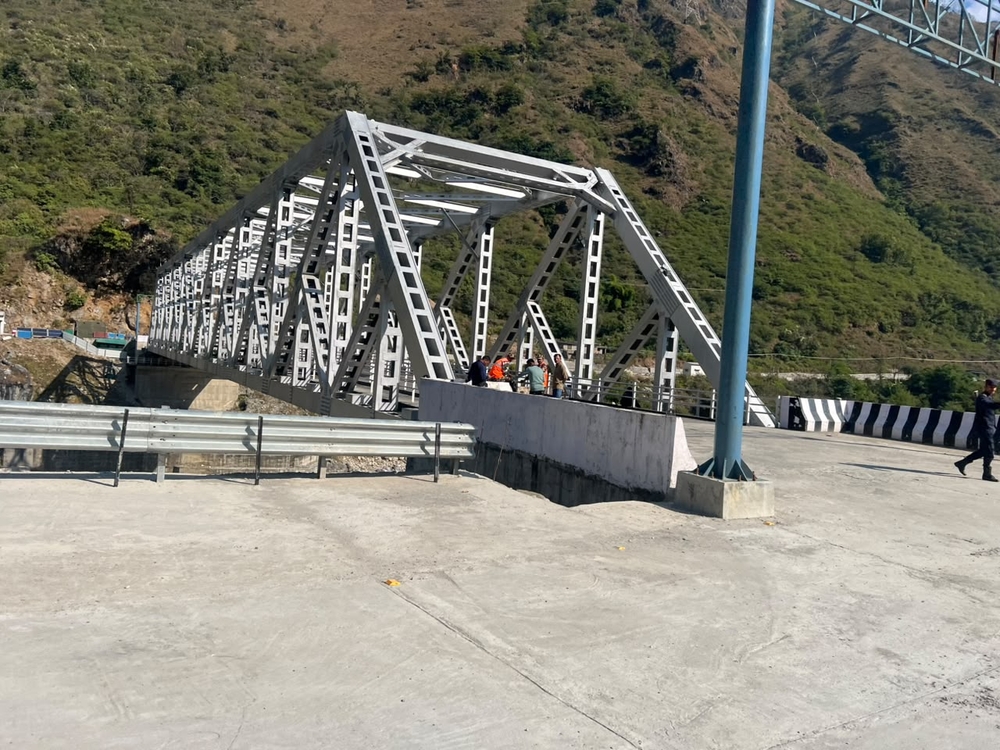
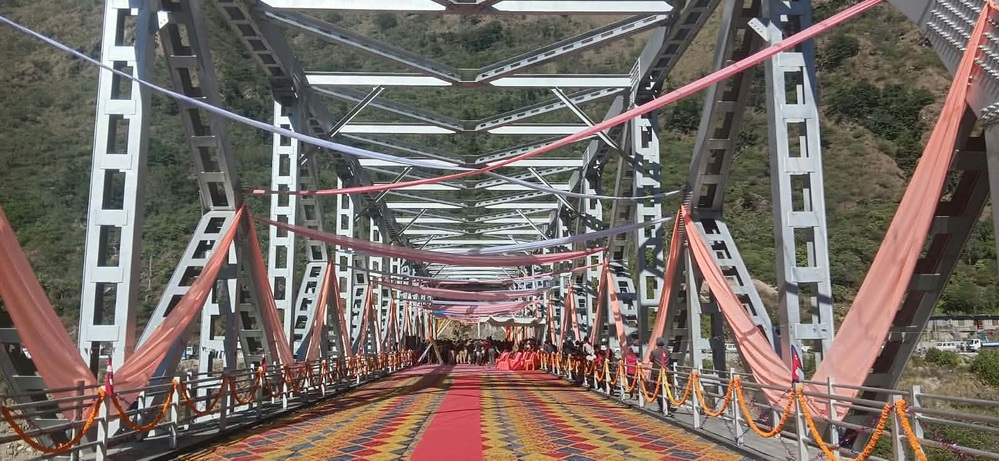
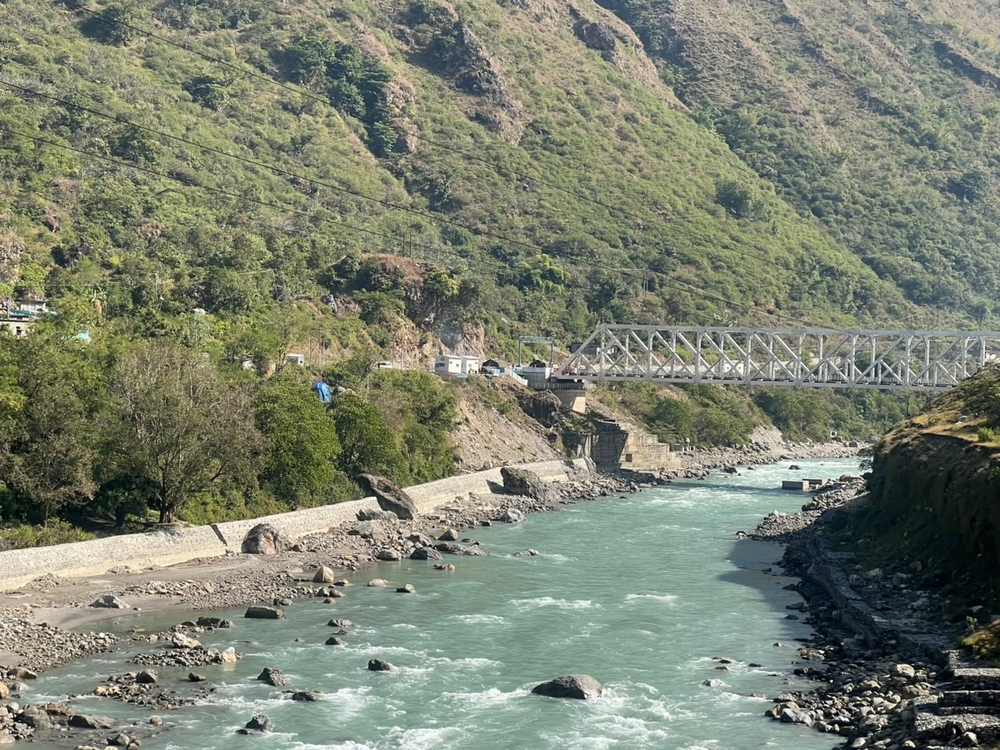
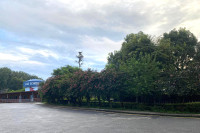
A new motorable bridge over the Mahakali river linking Nepal and India has opened, giving border communities an alternative to the dangerous cable crossings and makeshift inner-tube floats they had long relied on to cross the river.
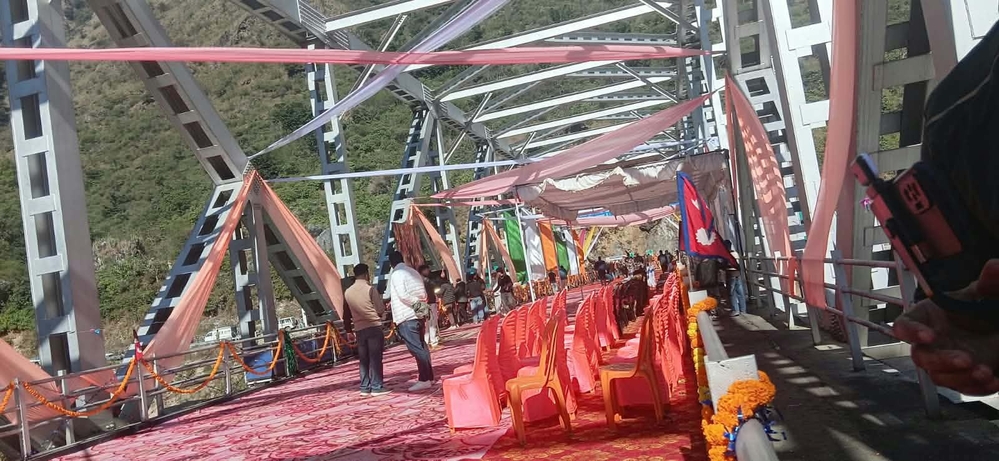
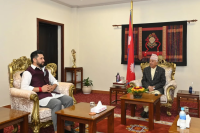
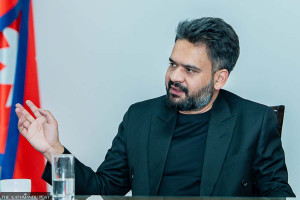
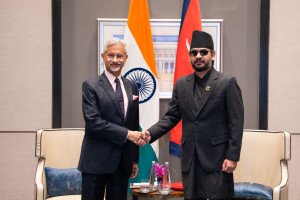
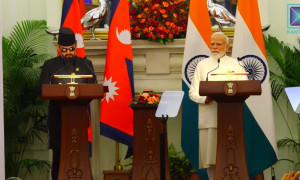
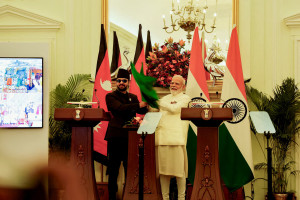
Prime Minister Balendra Shah and his Indian counterpart Narendra Modi jointly inaugurated the bridge virtually on November 23 during Shah’s two-day state visit to India. The inauguration took place after their high-level bilateral meeting at Hyderabad House in New Delhi.
The 110-metre, two-lane bridge connects Asigada in ward 8 of Mahakali Municipality in Darchula with Chharchhum in Dharchula tehsil of Pithoragarh district, Uttarakhand.
Its opening has brought excitement to residents on both sides of the border, who expect it to make everyday travel and trade considerably easier.
Mahesh Karki, a resident of Dattu in Mahakali Municipality, said the community had waited a long time for the bridge to come into operation.
“We had been waiting for this bridge for years. Without a motorable crossing, we had to travel on foot or use cable crossings to meet our daily needs. That will no longer be necessary,” he said.
The bridge is now open to vehicles from both countries. However, residents say restrictions on crossing hours and cross-border travel could limit its benefits.
Gagan Singh Dhami, a businessman from Malikarjun, welcomed the opening but said the authorities should review some of the rules governing its use.
The bridge operates from 6am to 6pm, with crossings outside these hours allowed only in emergencies. Residents say it should remain open round the clock to accommodate the needs of people living in the border areas.
Darchula Chief District Officer Bartaraj Paudel said the bridge operates from 6am to 6pm, with crossings outside these hours permitted only in emergencies.
“The bridge remains closed after 6pm, except in emergencies,” he said.
Karki argued that the authorities should consider keeping the bridge open around the clock to make cross-border travel easier for people living in the border areas.
Paudel said vehicles from both countries were allowed to cross the border and travel to nearby markets on the other side. Nepali vehicles can travel up to 15 kilometres into India without a special permit. Those wishing to go farther must obtain a pass from the Indian Embassy.
Indian vehicles entering Nepal can also reach nearby markets without paying a fee. However, authorities record vehicles travelling through the Asigada bridge to Khalanga, the district headquarters, and issue receipts, Paudel said.
Residents of settlements around the river crossings, Asigada and other parts of Darchula, are currently the main users of the bridge, according to Paudel.
Vehicle traffic remains relatively light, as the main market areas are some distance uphill from the bridge. Paudel expects traffic to increase gradually as more people learn that the crossing is operational.




 22.12°C Kathmandu