Human Rights Watch urges Nepal to act against illegal moneylenders
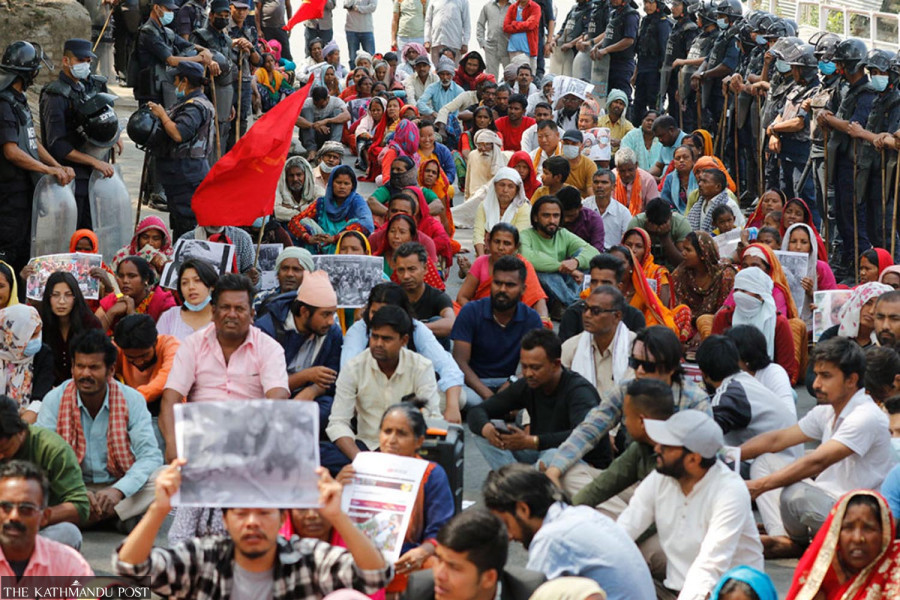
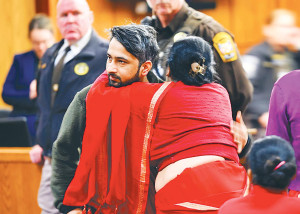
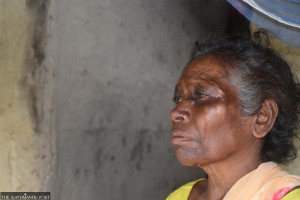
The rights watchdog says Gulf conflict-related disruptions have left migrant workers unable to repay high-interest loans, exposing families to threats, violence, forced evictions and sexual exploitation. Illegal lenders are seizing land, forcing evictions, beating defaulters and sexually exploiting women using forged loan papers, HRW says. Post file photo
Human Rights Watch has urged the Nepal government to take immediate action against illegal moneylenders, saying borrowers across the Tarai face unlawful land seizures, forced evictions, threats, physical violence and sexual exploitation.
In a statement on Friday, the international rights watchdog said disruptions caused by the conflict in the Gulf region had pushed more migrant workers and their families into debt distress, making them increasingly vulnerable to extortion by informal lenders.
Many Nepali migrant workers have faced reduced incomes, job losses, delayed departures and cancelled employment contracts amid the conflict involving the United States, Israel and Iran, the organisation said. Those unable to travel for work or send remittances have struggled to repay high-interest loans taken to finance overseas employment, it added.
“Despite government commitments to protect borrowers, illegal practices are rife in Nepal’s informal credit sector, leaving those with the fewest resources dependent on moneylenders who can take everything they own,” Meenakshi Ganguly, Asia deputy director at Human Rights Watch, was quoted in the statement as saying.
She urged the government led by Prime Minister Balendra Shah to ensure consistent enforcement of laws against fraudulent and abusive lending.
Human Rights Watch said it interviewed 18 borrowers, government officials, lawyers and activists across six Tarai districts, and examined more than 50 cases in Nawalparasi district.
Its findings show that informal lenders often exploit borrowers through fraudulent loan agreements known locally as kapali tamasuk. Such contracts can record principal amounts three to 10 times higher than the actual cash borrowed. The loans, commonly called meter byaj, can carry annual interest rates of 36 to 60 percent or more, compared with less than 10 percent charged by banks.
The watchdog said lenders have increasingly resorted to violence, land seizures and forced evictions when borrowers default. In some cases, women have faced sexual exploitation under threats of eviction, while vulnerable families have been trapped in debt across generations.
One borrower from Rautahat told the organisation that lenders had beaten his father in public to intimidate the family into handing over their land. The family was threatened with death if they refused to sign over the land title.
Human Rights Watch also criticised police for failing to protect victims, saying officers frequently dismiss complaints as private civil disputes despite the criminal nature of abusive lending practices. In some cases, police have allegedly supported lenders using blank cheques and disputed loan agreements to threaten borrowers with arrest and seize property.
Nepal criminalised fraudulent informal lending practices on May 5, 2023, making the fabrication of loan amounts, forged agreements and threats against borrowers punishable by up to seven years in prison. However, enforcement remains weak. More than 65,000 complaints submitted to successive inquiry commissions remain unresolved, according to the organisation.
The watchdog said successive governments had failed to honour commitments to address the crisis, despite repeated protests by victims.
On July 17, the Shah government signed a nine-point agreement with representatives of loan-sharking victims, pledging to address predatory lending following an 11-day march from Janakpur to Kathmandu.
Human Rights Watch called on the government to halt arbitrary arrests of borrowers, prosecute abusive lenders, prevent land transfers and evictions based on illegal agreements, and establish effective debt-relief and grievance mechanisms.
It also urged Nepal's international partners to support affordable institutional credit and stronger protections for migrant workers.
“The Balendra Shah government was elected with the promise of change, to overturn existing oppressive structures,” Ganguly said. “More closely regulating moneylenders and ending their chokehold on farmers and labourers is a crucial step in ensuring lasting social justice.”




 19.12°C Kathmandu