Bill seeks to stop double state benefits for office-bearers of constitutional bodies
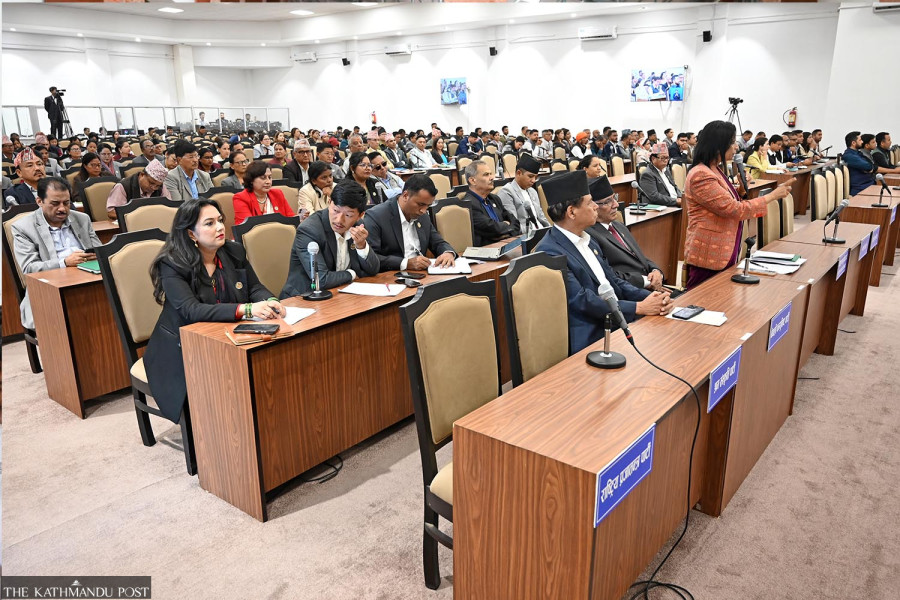
Proposed legal changes would bar constitutional appointees from drawing pensions and state-funded perks simultaneously, following a Supreme Court directive issued in 2017. Post photo
The government has introduced a bill in Parliament to prevent office-bearers of constitutional bodies from receiving double benefits from the state treasury.
The first amendment bill to the Remuneration, Conditions of Service and Facilities of Office Bearers of Constitutional Bodies Act, 1996 was registered at the House of Representatives on Thursday by the Office of the Prime Minister and Council of Ministers.
The proposed amendment states that any person who is already receiving a government pension, or is eligible to receive one, will not be allowed to draw the pension while serving as a chief office-bearer or office-bearer of a constitutional body.
The government has proposed inserting a new sub-section, 1(a), under Section 3 of the Act to bar such dual benefits. The Prime Minister’s Office said the provision was introduced in line with a directive order issued by the Supreme Court.
The Supreme Court had issued the directive to the Prime Minister’s Office on January 3, 2017, instructing the government to create a legal mechanism to stop constitutional officials from receiving double benefits.
The court’s order came after a writ petition filed in 2015 by former Public Service Commission chair Kayodevi Yami and other commission members. After completing their tenure at the constitutional body, they had sought to have their previous government service period counted for pension purposes, but government agencies refused to recognise it.
In its ruling, the Supreme Court said benefits granted under existing laws could not be reduced arbitrarily through government decisions. It also overturned Cabinet decisions concerning pensions, service conditions and benefit calculations for officials of constitutional bodies.
The current law does not clearly state whether officials serving in constitutional positions should receive benefits attached to those posts or continue receiving pensions earned from their previous government service.
In 2015, the Cabinet had decided that officials appointed to public positions or government posts with remuneration would have to choose between their salary and pension, whichever was higher. If anyone had already received double benefits, the excess amount would have to be deposited back into the state treasury before their previous service period could be counted towards a revised pension.
However, that Cabinet decision was never incorporated into legislation.
The government is also seeking to amend Section 18 of the Act, which deals with pensions and gratuity.
Under the existing provision, a person who previously served in the government and was later appointed to a constitutional body can have their service period in that constitutional position added for pension calculation after retirement.
The proposed changes aim to clarify pension rules and prevent officials from drawing overlapping financial benefits from different state-funded sources.




 14.67°C Kathmandu