Yarsagumba season empties schools in Jumla villages
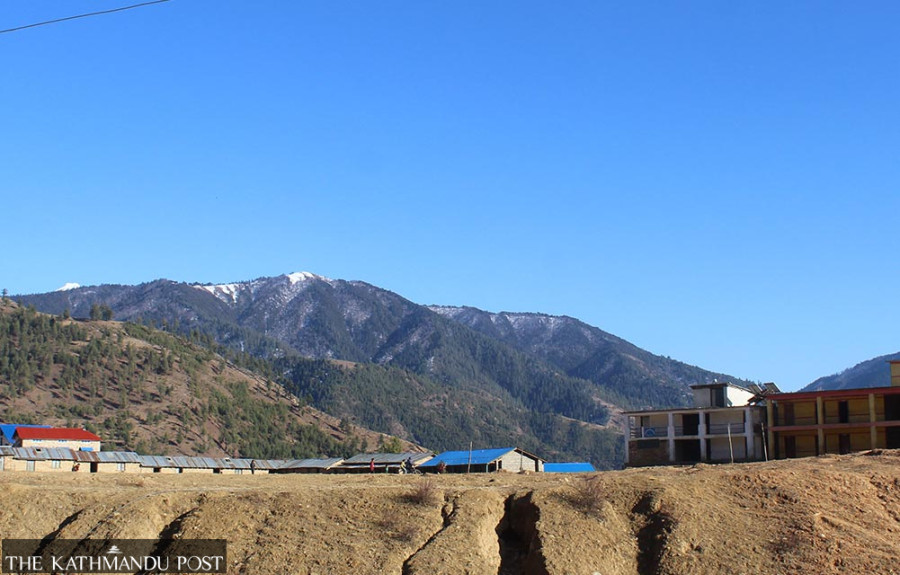
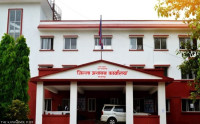
Some students earn up to Rs 150,000 from yarsagumba, and use it to buy books and pay for private tuition to make up for around two months of missed classes. Malika Secondary School in Lodchaur, Jumla.Students typically leave in mid-April and return by mid-July, often depending on private tuition to pass their exams. DB Budha/TKP
Dilraj Rawat of Chaurgaun in ward 3 of Patarasi Rural Municipality, Jumla, is preparing to head to the highlands to collect yarsagumba. Many of his friends have already gone in search of the caterpillar fungus prized for its purported medicinal properties. This will be his third consecutive year on the journey.
Each year, Dilraj depends on the income from yarsagumba to buy notebooks, pens, and other basic expenses. He usually collects between 250 and 300 pieces in a season. Selling them at around Rs500 each, he earns between Rs125,000 and Rs150,000.
The income supports more than basic school supplies. He also uses it to pay for private tuition during winter to make up for lessons missed during his stay in the highlands. “Going to the highlands means missing school,” Dilraj said, “but it is the only way to earn the money I need to continue studying.”
He and others travel across more than a dozen highland areas, including Chhapkhola, Taklekhola, Mathinthan and Chyangri, often staying there for up to two months before returning home.
Dilraj studies at Malika Secondary School in Lodchaur and has recently appeared for the Secondary Education Examination. School data shows a recurring pattern. In 2023, almost all higher-grade students—50 out of 55— left for the highlands. The year before, 37 of 48 did the same. This year, many students left even before classes began.
Headteacher Jagat Bahadur Shahi said almost all students from Grade 6 to Grade 10 leave for the mountains, effectively halting classes for about two months.
“Most students go to the highlands. Teachers at the secondary level are left with little to do except sign the attendance register,” Shahi said.
He added that when older students leave, parents often keep younger children at home to look after livestock or assist with household work. As a result, schools in the area are almost deserted.
According to Shahi, some parents even visit the school to request leave for their children to go collecting.
“We urge them to send their children to school, but parents pressure us to allow them to go during the Yarsagumba season,” he said.
Patarasi Rural Municipality issues advisories each year asking parents and teachers not to allow students to leave school, but enforcement remains difficult as the activity is a key source of income. Ram Chandra Regmi, head of the municipality’s education branch, said poverty makes it hard to stop the trend.
“We focus on education, but families prioritise survival. That is why we have not been able to take effective measures to stop this,” Regmi said.
While students from across the municipality participate, schools in wards 1, 2 and 3 are almost entirely empty during the season. Students typically leave in mid-April and return by mid-July, often depending on private tuition to pass their exams. There are 16 schools in Patarasi.
“We tell them not to neglect their studies, but they argue that education cannot continue without financial support,” Regmi added.
Students do not limit themselves to nearby areas; many travel to highlands in Dolpa and Mugu. Some go with their families, while others form groups with friends. Rima Budha from ward 2 of Patarasi said that for many, going to the highlands during this period is seen as more practical than attending school.
She said the income is used not only for school materials but also for household expenses and clothing.
During these two months, most houses in the area remain locked, with only elderly residents staying behind as children and youths head to the highlands. She described it as a “compulsion”.
Teachers say the pattern disrupts the academic calendar and forces them to conduct examinations without completing the syllabus.
“If we continue teaching, most students miss lessons. If we wait, we cannot complete the syllabus,” Shahi said. “We need an alternative approach to ensure students do not fall behind during the Yarsagumba season, but no solution has been found yet.”
In previous years, authorities introduced a rule requiring 75 percent attendance for promotion. However, the measure, agreed upon in the meetings of headteachers, has had little effect, with around 75 percent of students still leaving for the highlands.
Meanwhile, yarsagumba collectors have urged the local government to provide accident insurance, as many young people and students face risks in the high mountains between April and July.
The income from yarsagumba remains a key attraction for collectors. Chinese traders visit Nepal after the harvest season and, according to collectors, paid up to Rs 3.2 million per kg last year.




 24.91°C Kathmandu