Visiting US official seeks better climate for US investment in Nepal
In Kathmandu, the US assistant secretary meets the Tibetan community, urges the new government to offer them more support. Finance Minister Swarnim Wagle held a meeting with US Assistant Secretary of State for South and Central Asian Affairs S Paul Kapur at the Ministry of Finance. Photo: Courtesy of Ministry of Finance
Visiting Assistant Secretary of State Samir Paul Kapur has told the Nepali authorities that the United States would encourage more direct investment in Nepal, provided that the country creates a conducive environment for the same.
Kapur, who arrived on a three-day visit, held talks with Finance Minister Swarnim Wagle and Foreign Minister Shisir Khanal on Tuesday, discussing the priorities of the Balendra Shah government.
In separate meetings with the US official, both ministers requested more investment from the United States, which, they said, would be instrumental in jobs creation and Nepal’s economic progress. They also pledged to amend laws and introduce new legislation and regulations to support foreign direct investment in Nepal.
Instead of seeking development assistance from the United States, both ministers focused on direct US investments in various sectors of Nepal.
In the meeting with Wagle, Kapur raised the tax issues of Cotiviti, a US-based information technology company, in addition to other multinational companies, Coca-Cola and Dolma Impact Fund, according to the officials. Wagle told the visiting diplomat that Nepal would settle these issues through legal procedures.
Two officials present in the meetings said that the focus of both meetings was on bringing more investment from the US. They informed Kapur that the priority of the new government is to create an investment-friendly environment in Nepal. Both ministers assured that they will bring new legislation and clear the administrative and procedural hurdles.
During the call, discussions were held on further strengthening Nepal-US relations, including enhanced focus on trade and investment, said a notice issued by the Ministry of Foreign Affairs.
To create more domestic jobs, Nepal needs investment from friendly countries like the US, Nepali officials stressed. The US side assured the government that if the climate is made investment-friendly, they will encourage investments in areas of Nepali priority, a Nepali official privy to the meetings told the Post.
In the past 30 years, Nepal’s average annual economic growth has not crossed five percent.
Khanal told Kapur that they were focused on accelerating economic growth to meet the broader mandate. He further said that additional investment was necessary to boost economic growth.
In response, Kapur said that the US was ready to work with and help the new government, and that if an investment climate is created, there will definitely be more investment coming to Nepal.
Likewise, Wagle told Kapur that the government was pooling its efforts and resources to transform the country into a middle-income nation in 10 years. In the meeting with Kapur, the focus was on economic partnerships, said the finance ministry.
On the occasion, Finance Minister Wagle and the US assistant secretary of state held in-depth discussions on potential areas of partnership between the government formed after the March elections and the Donald Trump administration, the finance ministry said in a statement.
During the discussion, Finance Minister Wagle stated that the government’s key priorities are good governance, economic reform, and the development of quality physical infrastructure, according to the ministry.
He clarified that the government is prioritising economic reforms and the creation of an investment-friendly environment through the repeal of outdated and unnecessary laws and the formulation of new ones.
The minister also reportedly noted that investments from American investors and Non-Resident Nepalis are expected in the sectors of tourism, clean energy, and information technology.
Kapur said the historic relationship between Nepal and the United States will be further strengthened in the coming days. He also stated that the reform initiatives undertaken by the Rastriya Swatantra Party-led government are being closely and positively observed by the US President and the American people.
The assistant secretary emphasised that both nations can benefit from strong trade relations and partnerships with institutions such as the US International Development Finance Corporation, reads the finance ministry statement.
On Monday, during an interaction with office bearers of the American Chamber of Commerce in Nepal, Kapur had discussed expanding US business opportunities in Nepal’s ICT sector. He had also discussed ways to bolster digital infrastructure, AI adoption, and cybersecurity, and to share US technological prowess.
Kapur told both ministers that the US is ready to work with the new government in Nepal. After meeting Wagle, followed by Khanal, Kapur visited the Bouddhanath Stupa and met with Tibetans living in exile in Kathmandu.
“Great discussion with Finance Minister Swarnim Wagle about efforts to improve the business climate and attract US companies to Nepal. Closer business ties will boost Nepal’s transportation, energy, and digital infrastructure, bringing economic growth that benefits both of our countries,” Kapur wrote on the social media platform X.
In the meeting with Khanal, the visiting US diplomat also raised the plight of the Tibetan refugees living in the country.
While appreciating Nepal’s generous support for the Tibetan refugees, he also urged the issuance of identity cards to the refugees so that they come under the tax net. The refugee community has communicated about the difficulties in doing business, opening bank accounts, accessing nursing education, and engaging in economic activities.
The senior diplomat from Washington raised the issue of the ‘plight’ of Tibetan refugees a week after the Chinese ambassador cautioned Home Minister Sudan Gurung over refugee activities in Nepal.
Chinese Ambassador to Nepal Zhang Maoming, during a meeting with Gurung on April 13, urged him to curb Tibetan and Taiwanese activities in Nepal and sought assurances that Kathmandu would not become a platform for foreign interests hostile to Beijing.
Khanal told Kapur that the Tibetan refugee issue is sensitive, one that concerns Nepal’s northern neighbour, China. The Nepal government is doing its best for their welfare, the ministry reportedly said. “We are hosting them on humanitarian grounds and will continue to do so,” the minister told the visiting US official.
“Productive meeting with Foreign Minister Khanal of Nepal. Discussed strengthening the longstanding US-Nepal partnership, increasing US-Nepal trade and investment, and combating illegal immigration and human trafficking,” Kapur wrote on his social media platform, X, after the meeting.
Controversy over Cotiviti, Coca-Cola and Dolma Impact Fund
In March 2024, the Department of Revenue Investigation (DRI) filed a case demanding a staggering Rs10.36 billion from Cotiviti, an American investment IT company, for alleged revenue fraud.
The department had alleged revenue evasion of Rs5.18 billion, along with an additional claim of Rs5.18 billion in penalties.
In March 2022, the Department of Revenue Investigation filed a case against Bottlers Nepal, the processor of the popular soft drink Coca-Cola in Nepal, on charges of evading Rs3.71 billion in taxes.
The previous Sushila Karki government courted controversy by granting a tax exemption to Dolma Impact Fund, which has channelled its investment into Nepal through a “shell company” registered in Mauritius—a tax haven.
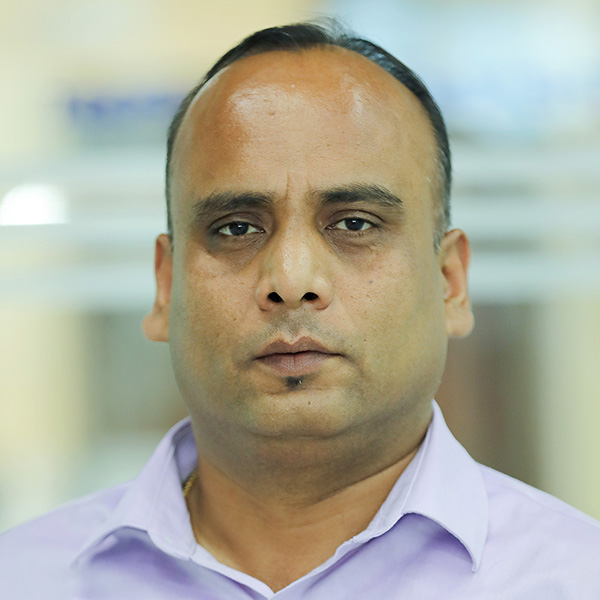
Anil Giri is a Chief Sub Editor covering diplomacy, international relations and national politics for The Kathmandu Post. Giri has been working as a journalist for more than two decades, contributing to numerous national and international media outlets.




 14.67°C Kathmandu