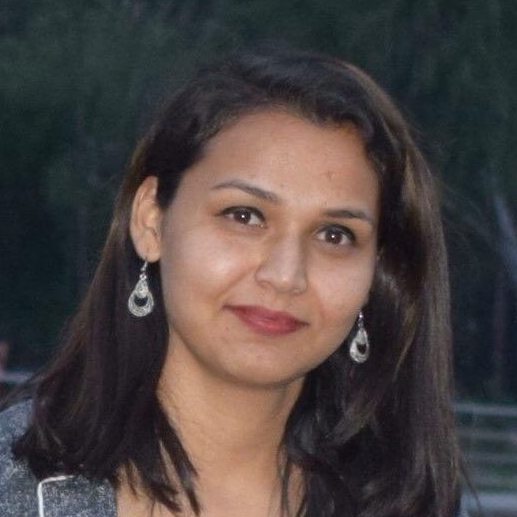
The Ministry of Women, Children and Senior Citizen’s biggest challenge lies in turning policies into action and strengthening monitoring and evaluation systems.Sita Badi, women and children minister Post photo
In the Cabinet led by Prime Minister Balendra Shah, Sita Badi has been entrusted with the portfolio of the Ministry of Women, Children and Senior Citizens, making history as the first minister from the Badi community.
Badi was elected to Parliament through the proportional representation system from the Rastriya Swatantra Party under the Dalit women cluster. Her appointment marks a symbolic milestone for one of Nepal’s most marginalised communities.
Born in 1995 in Jhuprakhola in ward 11 of Birendranagar Municipality in Surkhet district, Badi grew up facing poverty, caste-based discrimination, social exclusion and humiliation. Her childhood experiences, she says, shaped her commitment to social justice and inclusion.
She holds a master’s degree in political science and has long been engaged in social work. For years, she has supported children from underprivileged communities in remote areas to access education and provided vocational training to women.
In Chunikhel, on the outskirts of Kathmandu, she launched a small enterprise producing and selling handicrafts. The initiative not only helped her achieve economic independence but also created employment opportunities for other women in the community. Her efforts to promote women’s economic empowerment through small enterprises have been widely appreciated.
Speaking to Kantipur earlier, Badi said her political ambition is to build a society where no child has to endure the hardships she experienced growing up in the Badi community.
“I want to ensure that no child faces discrimination, social humiliation or exclusion because of their caste or poverty,” she said, adding that access to education, health services and employment opportunities should be guaranteed to all.
While her appointment carries strong symbolic significance, the ministry she now leads faces deep structural challenges.
The Ministry of Women, Children and Senior Citizens is responsible for promoting inclusive development and ensuring social protection for vulnerable groups. However, despite being active in policy formulation, it has struggled to translate policies into effective implementation.
Over the past decade, the ministry has introduced a range of policies and guidelines aimed at strengthening social security, gender equality and children’s rights. National plans have been adopted to combat human trafficking, promote gender-responsive budgeting, introduce child-friendly budgeting, and address gender-based violence.
Yet many of these initiatives have produced limited results.
Experts point to weak coordination, limited resources and structural weaknesses within the government system as major hindrances. The absence of clearly defined responsibilities among the federal, provincial and local governments has further complicated service delivery.
Under Nepal’s federal system, coordination among the three tiers of government is crucial. In practice, however, such coordination remains weak.
Unclear roles in areas such as the distribution of disability identity cards and senior citizen cards, management of juvenile correction homes, and services for victims of gender-based violence have led to duplication of services in some areas while leaving gaps in others.
Stakeholders say that while some local governments have implemented programmes effectively, others have struggled to provide even basic services.
The ministry plays a central role in safeguarding the rights and welfare of women, children, senior citizens and persons with disabilities—groups that together represent a large share of Nepal’s population.
Women account for about 51 percent of the population, children 33.8 percent, senior citizens 10.21 percent and persons with disabilities around 2.2 percent.
Despite its broad mandate, the ministry has long faced criticism for being under-resourced.
Women’s rights activist Indu Tuladhar says the ministry is one of the most important institutions for ensuring social protection and inclusive development in Nepal.
“All responsibilities for protecting vulnerable groups in a democratic welfare state are concentrated in this ministry,” Tuladhar said. “That makes it extremely sensitive and important.”
However, she pointed out that the ministry often receives limited funding and attention compared with other government bodies.
According to Tuladhar, the lack of resources has prevented the ministry from demonstrating its full potential. The perception that the ministry is less influential has also discouraged capable individuals from taking leadership roles.
She stressed that strengthening the ministry’s institutional capacity must be a national priority.
“To ensure social protection and safeguard the rights of vulnerable groups, the ministry needs adequate budget, skilled personnel and stronger institutional mechanisms,” Tuladhar said.
Challenges are also evident in service delivery.
Old-age homes often lack health workers, medicines and ambulances. Juvenile correction homes frequently suffer from shortages of safe accommodation and psychosocial counselling services. In remote regions, the absence of service centres has left many vulnerable citizens without access to support.
In the fiscal year 2024-25, the ministry was allocated a budget of Rs2.08 billion. Many stakeholders argue that the allocation is insufficient given the scope of its responsibilities.
Devika Parajuli, general secretary at the National Federation of the Disabled Nepal, says large investments are required to effectively run social security, rehabilitation and empowerment programmes.
However, she said the challenge is not only limited funding but also ineffective spending and delays in programme implementation.
Although Nepal has enacted laws to protect persons with disabilities, many still struggle to fully enjoy their rights. Overlapping responsibilities between ministries—particularly in areas such as health services and rehabilitation—have further complicated implementation.
“The government must clearly define which ministry is responsible for the health and rehabilitation of persons with disabilities,” Parajuli said.
She added that persons with disabilities must be recognised as rights holders rather than treated as recipients of charity.
Parajuli also pointed to persistent social problems such as child marriage, dowry practices, domestic violence and chhaupadi [the practice of isolating women for four days during menstruation], which continue despite being legally prohibited.
“The key challenge is implementing policies and strengthening monitoring and evaluation systems,” she said.
For Minister Badi, the task ahead is therefore both symbolic and substantive: translating representation into meaningful change for millions of vulnerable citizens.




 23.63°C Kathmandu