ICYMI: Here are our top stories from Thursday, August 1
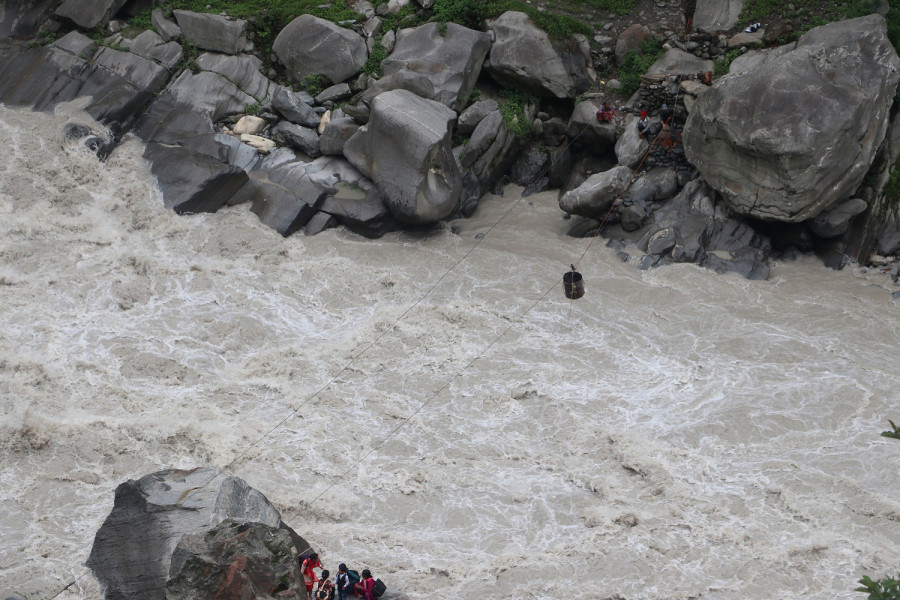
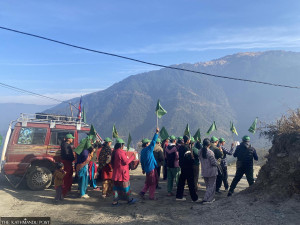
Here are some of the top stories from The Kathmandu Post (August 1, 2019). A tuin crossing over the Mahakali river in Byas Rural Municipality. Manoj Badu/TKP
Federal government halts grants to local governments for failing to present their budget
The federal government has halted grants to the local governments that failed to introduce the budget for the current fiscal year. As per the Intergovernmental Fiscal Arrangement Act, all local governments should present their fiscal budgets by June 25.
The federal government provides four types of grants to local governments—fiscal equalisation, conditional, complementary and special grants. For the current fiscal year 2019-20, the federal government has allocated Rs213.82 billion under conditional grant and fiscal equalisation grant. In addition to these grants, local governments are also entitled to receive complementary grant and special grant for specific projects
Court orders Gorkha Brewery to pay Rs 871.4 million in excise duty in a week
The Inland Revenue Office, Bharatpur has directed Gorkha Brewery to pay the excise duty determined by the tax office within a week. The revenue office has asked the Gorkha Brewery, a leading beverage company, to pay Rs 871.4 million in excise duty that it failed to pay in the past two fiscal years.
A single bench of Chief Justice Cholendra Sumsher Rana, on July 24, overturned an interim order issued by the Pokhara High Court, paving the way for the collection of taxes owed by the brewery to the government. Earlier on June 26, the High Court had issued an interim order directing the Bharatpur Inland Revenue Office not to implement its decision to determine the tax liability of the brewery.
Even as it rains, Ram Krishna Nepali and his assistant, Kamal Thapa, hit the road in haste to Maharajgunj, stopping every five seconds, looking around for a dead cat they had been asked to take care of. Nepali and Thapa are waste collectors—more precisely, they are dead animal undertakers for Clean Nepal, an organisation that manages sewage and animal carcasses.
As he spots the dead cat, Thapa gets down from his bike and puts on rubber gloves. He swiftly picks up the tabby cat whose eyes are still wide open while Nepali opens up a white sack for Thapa to shove the body inside. The work that these two do is critical for a city like Kathmandu, where cats and dogs run amok on the streets. But once the bodies get bagged, where exactly do they go?
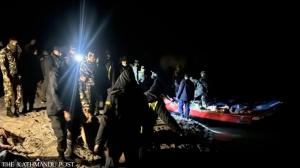
Locals risk their lives to cross rain-swollen Mahakali river
Residents living near the Nepal-India border area in Darchula district rely on Indian markets to run their daily lives. Essential goods reach the villagers only after local businessmen bring such goods from across the border. However, since a permanent bridge over the Mahakali river is yet to connect the two sides, locals risk their lives crossing the rain-swollen river on inflated tubes and wire crossings, locally known as tuins.
As tourism minister, there are immediate challenges—and opportunities—for Yogesh Bhattarai
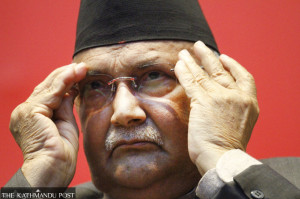
Yogesh Bhattarai, the charismatic leader from Taplejung who, sitting on the sidelines of the ruling party, often criticised the KP Sharma Oli administration, has been appointed as the new minister for culture, tourism and civil aviation.




 9.7°C Kathmandu