



 23.32°C Kathmandu
Fri, Oct 23, 2026
Money
ADB approves $50 million loan to modernise Nepal’s customs and logistics sector
Policy-based financing will support digital customs reforms, improve cross-border trade efficiency, reduce logistics costs, and strengthen private sector-led growth and job creation.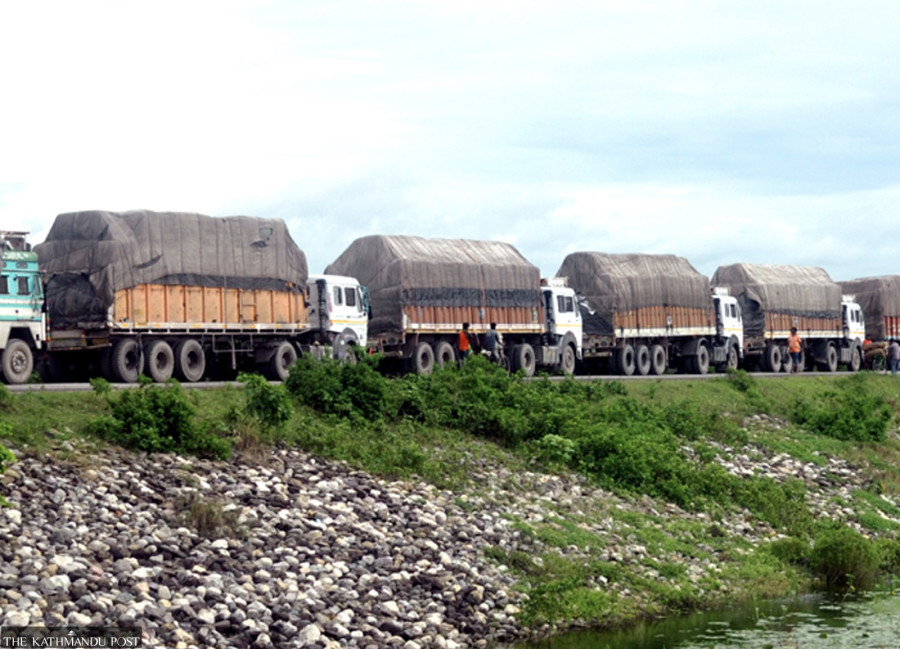
bookmark
Post Report
Published at : July 2, 2026
Updated at : July 2, 2026 16:17
Kathmandu
The Asian Development Bank (ADB) has approved a $50 million policy-based loan to help Nepal modernise its customs administration, boost trade, and support job creation.
The loan supports Programme 2 of the South Asia Subregional Economic Cooperation Customs and Logistics Reforms Programme, building on earlier efforts to advance customs processes and develop the logistics sector in the country.
The programme will modernise customs through digitalisation, risk-based inspections, and streamlined procedures, while strengthening the logistics sector through better infrastructure planning, regulatory frameworks, and coordination, the ADB said in a statement.
These reforms will reduce trade costs, improve border predictability and supply chain efficiency, and support more efficient movement of goods and deeper integration into regional value chains.
“Efficient customs and logistics systems are critical to Nepal’s economic transformation and integration into regional markets,” said ADB Country Director for Nepal Arnaud Cauchois. “By making cross-border trade faster, more predictable, and cost-efficient, this programme will strengthen the business environment, enhance competitiveness, attract investment, and support quality job creation.”
Despite recent progress, Nepal’s trade competitiveness remains constrained by complex customs procedures and an underdeveloped logistics sector. High inspection rates, paper-based processes, and fragmented supply chains have increased transaction costs and limited export potential.
The programme addresses these challenges by promoting automation, enhancing service standards, and encouraging private sector participation in logistics development. By improving trade efficiency and reducing logistics costs, it is expected to help expand exports, improve the reliability of cross-border trade, and support higher private sector participation. It will boost small and medium-sized enterprises, strengthen supply chain resilience, create jobs, and drive inclusive economic growth.
Aligned with Nepal’s Sixteenth Plan and broader efforts to promote private sector-led growth, diversify the economy, and strengthen resilience, the reforms support the implementation of the Government of Nepal’s Customs Reform and Modernisation Plan, Trade Logistics Policy, and new Industrial and Logistics Trade Master Plan.



Most Read from Money

Nepal travel agents threaten to stop selling Thailand trips over visa rules

Why does an hour long flight to Dhangadhi cost more than a flight to New Delhi?
Malaysia rejects Nepal’s demand to open recruitment to all manpower agencies

No school, but a graduation cap for women dairy farmers
Nepal arrests four medical service providers as Malaysia recruitment row deepens
Editor's Picks




E-PAPER | October 23, 2026

×