



 18.95°C Kathmandu
Wed, Oct 21, 2026
Food
When December smells like sugar and spice
On holiday season baking, the quiet theatre of the kitchen, and why making sweets for others still feels like magic.
bookmark![]()
![]()
![]()
Samundra Gurung
Published at : December 28, 2025
Updated at : December 28, 2025 06:37
There is a moment, early in December, when the kitchen seems to lean toward you. The light is different somehow. It is lower, softer, forgiving, and the air that wafts from the hallways carries a promise. This is the season when baking stops being an everyday act and becomes something ceremonial, almost devotional. Holiday season baking is not about efficiency or restraint. It is about excess, about warmth, about believing (if only briefly) that butter and sugar might hold the world together.
I begin every year the same way: pulling out tins that clatter loudly despite having sat untouched for months. They smell faintly of last winter. Vanilla, cocoa, a ghost of spice and opening them feels like opening a memory. Butter is set out to soften, unapologetically. Sugar is measured generously, never skimmed. The kitchen, which is usually practical, becomes theatrical. Aprons are costumes. Wooden spoons are props. The oven, faithful and glowing, waits patiently for its cue.
Christmas baking insists that you slow down. It rewards attention and presence. Dough needs resting. Chocolate demands gentleness. Even mistakes like overbrowned edges and cracked tops are absorbed into the season’s generosity. Nothing here is wasted. Not time, not ingredients, not the effort. This is baking as mood, as atmosphere, as quiet rebellion against the rush of modern life.
What makes holiday season baking feel different from the rest of the year is its intention. You rarely bake for yourself alone. Every recipe carries a name in mind. Shortbread for the aunt who loves something simple and buttery. Ginger biscuits for the friend who insists on spice. Truffles for the ones who understand indulgence not as excess, but as care. Each batch becomes a small act of translation: “This is how I think of you”.
I once spent an entire night baking for friends who were arriving far earlier than planned. It was reckless and ill-advised music too loud, coffee too strong, chocolate melting at an alarming pace, but it felt right. The brownies came out uneven, with slightly overbaked edges. They were devoured within minutes, crumbs brushed away between stories and laughter. No one noticed the imperfections. Or perhaps they did and loved them more for it.
Holiday season baking carries memory in its bones. The scent of molasses takes me back to childhood kitchens, to impatient fingers sneaking dough before it was ready, and to adults pretending not to notice. Cinnamon and clove feel like family, even when family is far away. There is something deeply comforting about repeating motions year after year: rolling, cutting, dusting, knowing that the body remembers what the mind sometimes forgets.
And then there is the giving. A tin wrapped in parchment and string becomes a quiet declaration. It says, “I stood in my kitchen and made this for you.” In a world increasingly defined by speed and distance, homemade sweets feel almost radical. They require time. They ask for care. They cannot be rushed or automated. They arrive imperfect, human, and generous.
Below are recipes meant not for spectacle, but for sharing. Desserts that get compliments, forgive easily, and most importantly, taste like the season itself.
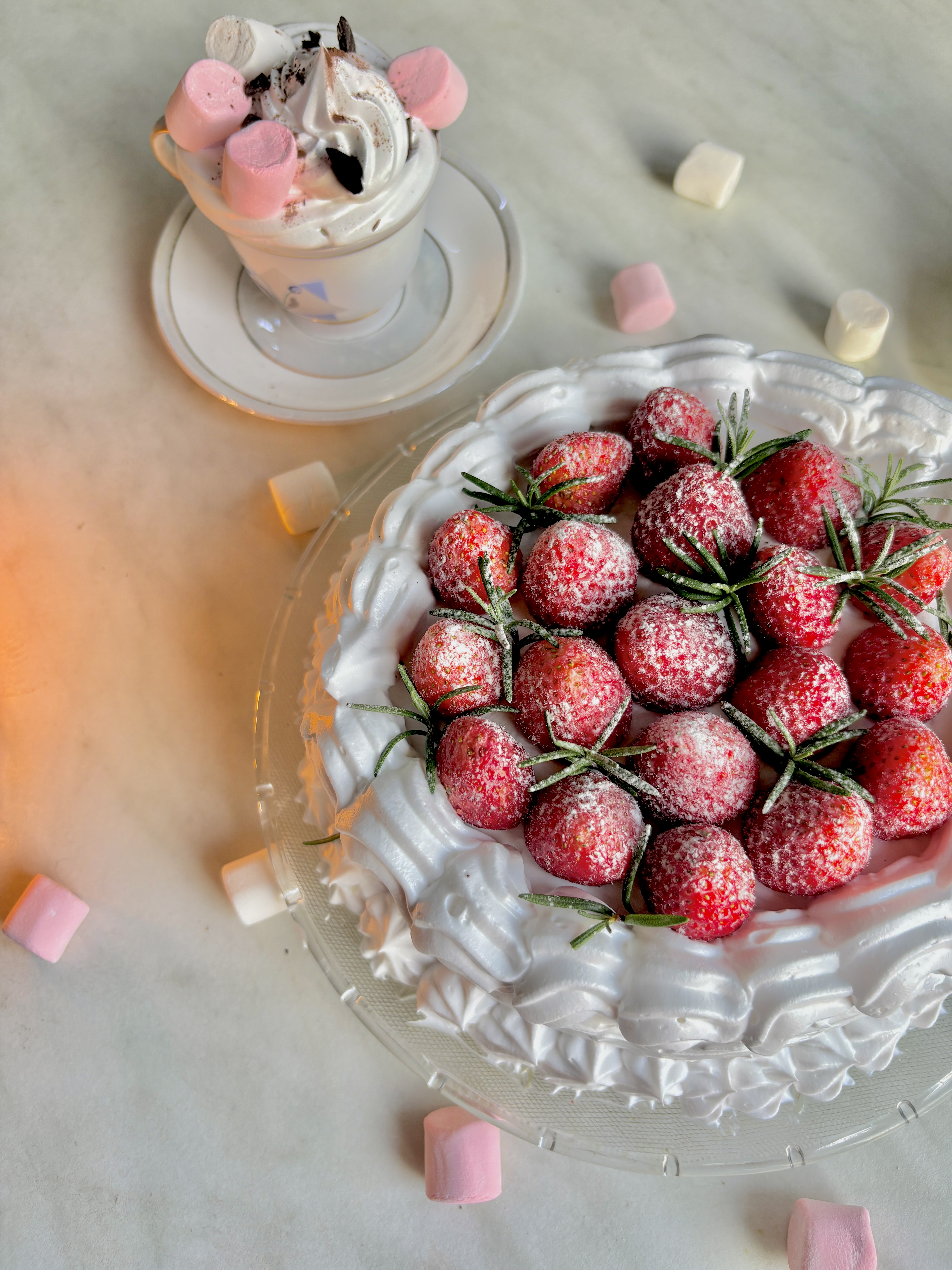
Japanese Christmas Cake (Strawberry Shortcake)
This is not a cake that shouts. It whispers. Snowy, tender, and impossibly light, it’s Christmas elegance in sponge form.
Ingredients
For the sponge
4 large eggs, at room temperature
120g caster sugar
120g cake flour (or very soft plain flour, sifted twice)
30g unsalted butter, melted and warm
1 tbsp milk
1 tsp vanilla
For the cream & filling
400ml cold whipping cream
2 tbsp icing sugar
1 tsp vanilla
Fresh strawberries, hulled and sliced
Method
Preheat oven to 170°C (340°F). Line a round tin.
Whisk eggs and sugar together over gentle heat until just warm—this is the secret tenderness. Remove from heat and whisk fiercely until pale, thick, and ribboned, like satin folded over itself.
Sift flour lightly over the batter and fold with reverence. Stir butter, milk, and vanilla together, then fold in gently, as though you’re persuading rather than mixing.
Bake 30 minutes in an 8-inch cake pan until springy and golden. Cool, completely.
Whip cream with icing sugar and vanilla until softly billowed—not stiff, never stiff!
Slice the cake horizontally. Layer cream and strawberries generously. Finish with clouds of cream and whole strawberries on top.
Eat quietly. This cake deserves attention.
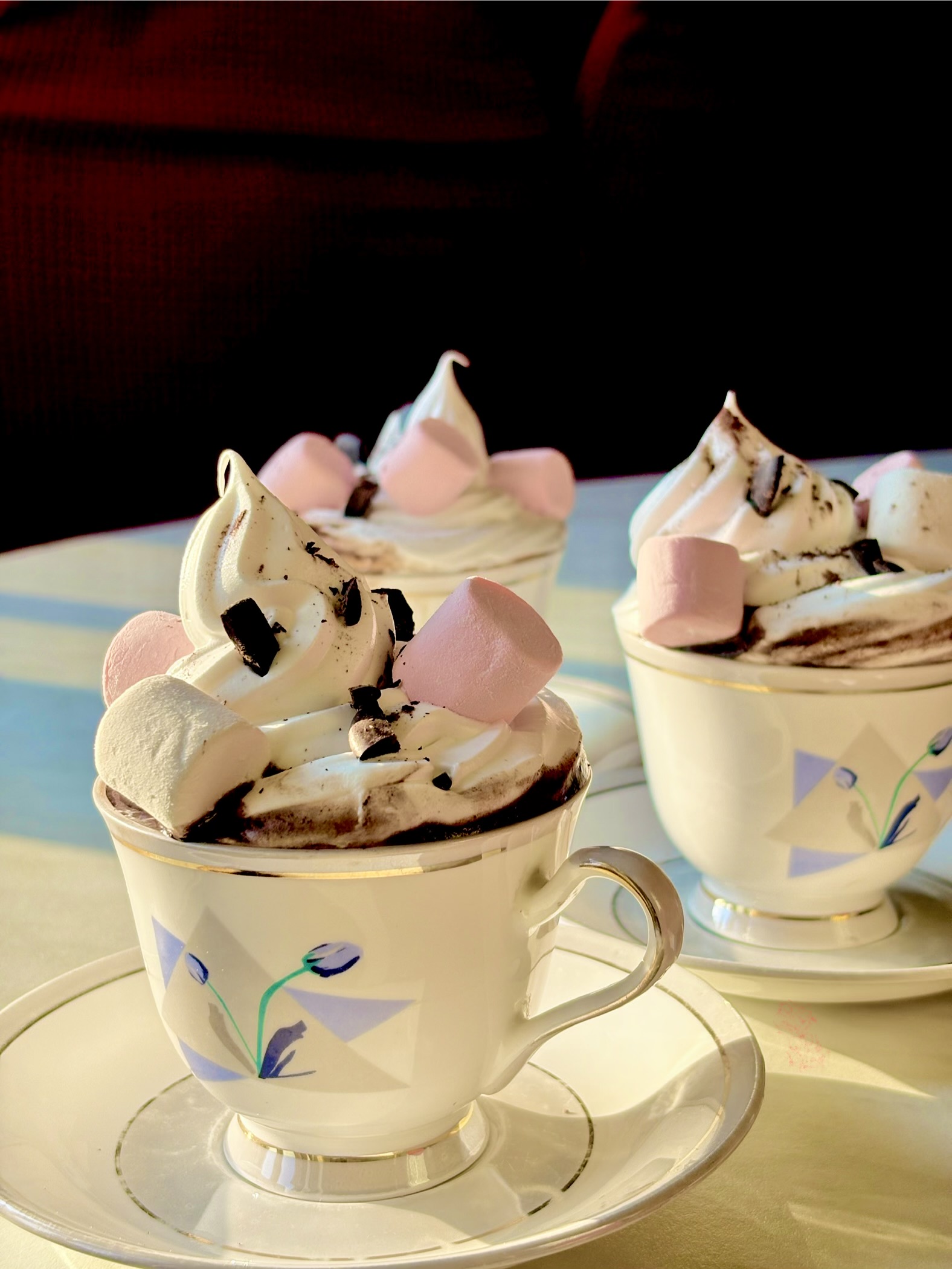
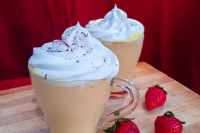
The Very Best Hot Chocolate (With a Nepali soul)
This hot chocolate is like a ritual: dark, warming, and deeply comforting, with a spice-laced hum that lingers like a good conversation.
Ingredients
500 ml full-fat milk
100g dark chocolate (70 percent), chopped
1 tbsp cocoa powder
1 to 2 tbsp jaggery or dark brown sugar
2 green cardamom pods, lightly crushed
A tiny pinch of timur (Nepali Sichuan pepper), optional but magical
A pinch of cinnamon
A drop of vanilla
A swirl of cream and marshmallow, to finish
Method
Heat milk gently with cardamom, cinnamon, and timur. Let it steep for a few minutes. This is where the magic begins.
Whisk in cocoa and jaggery until dissolved. Add chocolate and stir slowly, lovingly, until melted and glossy. Finish with vanilla.
Pour into warmed cups. Add cream if you’re feeling generous (you should be). It’s not just hot chocolate; it’s warmth translated.
Black Forest Cake (Dark, dramatic, and joyously unapologetic)
This is a cake that knows exactly what it is. Chocolate, cherries, cream, and no restraint whatsoever.
Ingredients
For the cake
180g plain flour
60g cocoa powder
1½ tsp baking powder
1 tsp baking soda
160g sugar
3 eggs
240 ml milk
120 ml melted butter
1 tsp vanilla
For the filling
500 ml whipping cream
3 tbsp icing sugar
1 tsp vanilla
Cherries (fresh or jarred), plus juice
Kirsch or cherry syrup
Method
Preheat oven to 170°C (340°F). Line a round tin.
Whisk eggs and sugar together over gentle heat until just warm. Remove from heat and whisk fiercely until pale, thick, and ribboned.
Sift flour lightly over the batter and fold with reverence. Stir butter, milk, and vanilla together along with the cocoa powder, then fold in gently, as though you’re persuading rather than mixing. Be careful not to knock the air out of the batter.
Bake chocolate cake at 175°C (350°F) for 40 mins or until deeply fragrant and springy. Cool, then slice into layers.
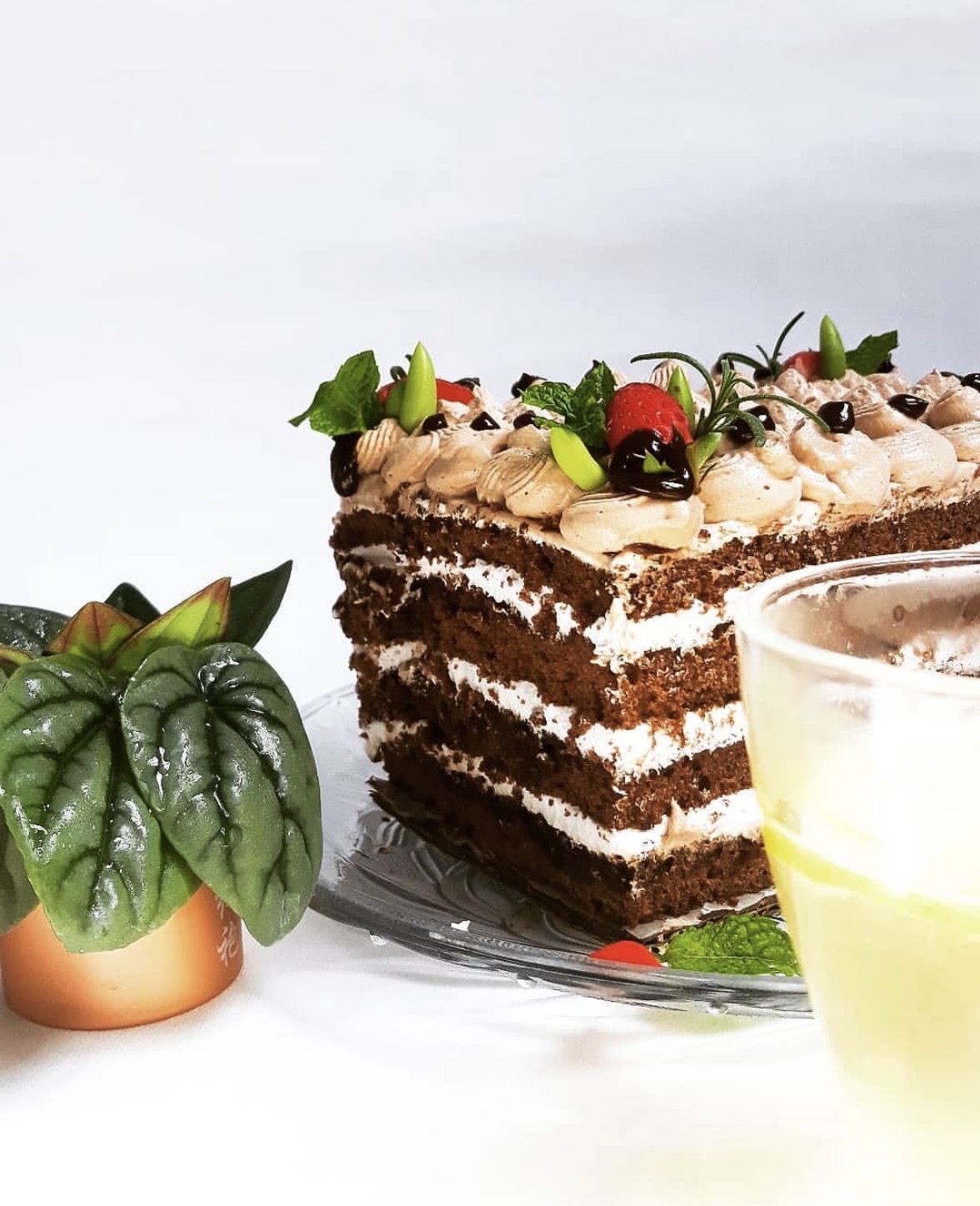
Whip cream softly with sugar and vanilla. Brush cake layers generously with cherry juice (or kirsch, if you’re feeling grown-up). Layer cake, cream, and cherries repeatedly, without fear.
Finish with whipped cream, chocolate shavings, and cherries piled proudly on top.
This is not a cake for subtlety. This is a cake for a celebration.
When the final tray is baked and the oven clicks off, a particular quiet settles in. The kitchen looks lived-in, flour-dusted, warm. There are tins stacked by the door, parcels ready to travel. You are tired in the best way—softened, satisfied, anchored.
Holiday season baking does not demand novelty. It asks only that you show up. That you repeat gestures that have worked before and allow sweetness to be deliberate.
In the end, what lingers is not just the taste but the feeling. Having made something with care, having offered it freely, and having stitched yourself, however briefly, into someone else’s day.
And perhaps that is the true magic of Christmas baking. Not the recipes, not the spectacle, but the quiet certainty that joy, when made by hand, still matters.
Samundra Gurung
Dr Samundra Gurung, who identifies as queer, is a doctor, artist, freelance writer and plant hobbyist based in Nepal. He Instagrams at @sam__grg




Editor's Picks





E-PAPER | October 21, 2026

×