



 16.94°C Kathmandu
Mon, Oct 26, 2026
Editorial
Can a cricket league comfort a country in mourning?
Nepal Premier League cannot rebuild Rasuwa, but it can give a grieving nation somewhere to gather.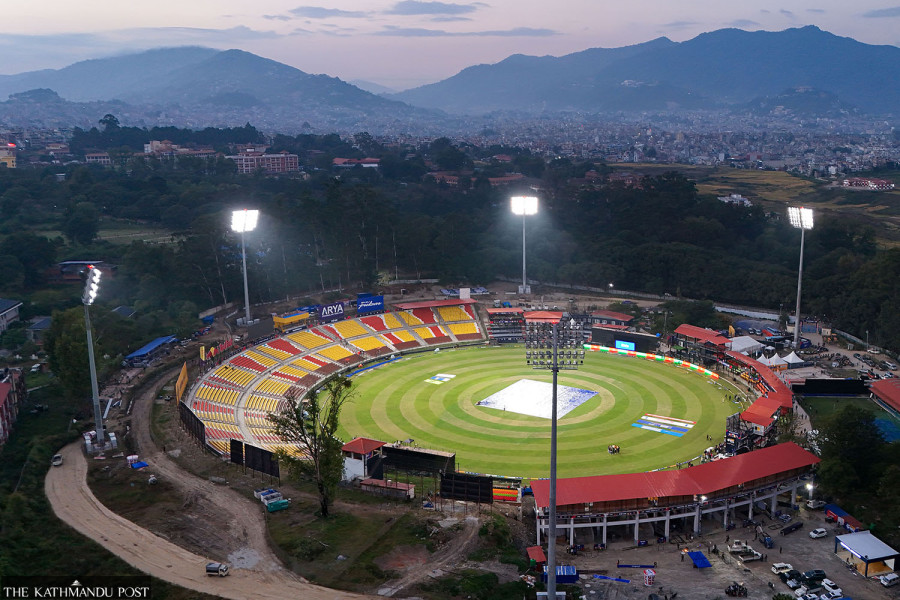
bookmark
Published at : October 26, 2026
Updated at : October 26, 2026 02:11
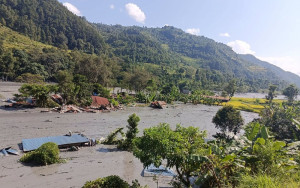
When the Nepal Premier League opens its third season at Kirtipur today, it will do so in a country that has spent two months counting its dead. The Bhotekoshi flood of August 26 tore through Rasuwa and on towards the Tarai plains. By early September, more than 1,100 people were confirmed dead and close to 5,000 were unaccounted for. More floods and landslides followed in late September. Some families are still waiting for news.
Then came Nepal’s biggest festival, Dashain. Ordinarily the season of return, it did not bring everyone home this time around. In Salyan, neighbours scaled back their celebrations out of regard for families whose relatives are missing in Rasuwa. In Kathmandu, 111 households from Timure spent the festival in a monastery in Swayambhu, grieving and wondering when they might go back. In Baglung, survivors of the September 27 flood faced Dashain without a house and were told their demands would be taken up only after Dashain and Tihar.
Cricket will not rebuild those homes, and nobody should pretend that a tournament answers the harder questions the flood raised, among them why the warning did not reach Rasuwa in time. Yet a grieving country still needs places to gather, to groan at a dropped catch and cheer a spell of spin bowling, and to be reminded for a few hours that ordinary joy has not left it. The crowds at the TU ground have offered that since the league began. The balance calls for care. Joy and mourning can share a ground, and the organisers should let them. A minute’s silence on opening day, and a share of gate receipts pledged to the Prime Minister’s Disaster Relief Fund, would cost little and say a great deal.
The league’s wider importance is easy to understate. Its second season brought in more than Rs473 million in gross revenue. In the first, leading domestic players earned up to Rs2 million, money that earlier generations, who played on open grounds for little, would barely have imagined. The tournament also created jobs and stirred local business. With the International Cricket Council’s recognition, a decision review system and a wider overseas roster, this season offers Nepali players a rare education. As Sandeep Lamichhane told the Post, sharing a dressing room with the game’s big names helps them improve. The league is also a rehearsal. Kathmandu will host 15 matches of the Under-19 Women’s T20 World Cup in the new year, so what the NPL gets right or wrong will be noticed well beyond Kirtipur.
Nepal has been here before, and the memory is not comfortable. The Nepal T20 League of 2022-23, the first franchise league the Cricket Association of Nepal organised, was marred by unpaid players and spot-fixing arrests. Recognition brings obligations, and CAN must meet them openly, with salaries paid on time, accounts that outsiders can read and an anti-corruption effort that players and fans can trust.
Other sports are watching. Nepal’s volleyball league has shown a similar pattern, with overseas stars sweeping the honours while local players, by their coaches’ account, begin to level up. Football and every other sport can take the same lesson: franchise sport works when people trust the money and the results, and when grounds, coaching and pay are built to match well beyond the Valley. Cricket’s head start is real but not guaranteed.
When the first ball is bowled today, some in Rasuwa and Nuwakot will not be able to bring themselves to watch, and others will tune in quietly for company. Each is entitled to their reasons. A league that understands this will have earned its welcome. A nation that has endured so much deserves some good days.



Most Read from Editorial


Editor's Picks
What to know about the US trial over Mamta Kafle’s disappearance
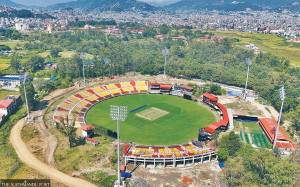
NPL returns with bigger ambitions and global recognition
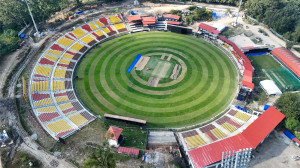
What’s new in the Nepal Premier League’s third season?

After Nepal’s recent disaster, it wants to test whether COP31 can deliver climate justice
Why does an hour long flight to Dhangadhi cost more than a flight to New Delhi?
E-PAPER | October 26, 2026

×