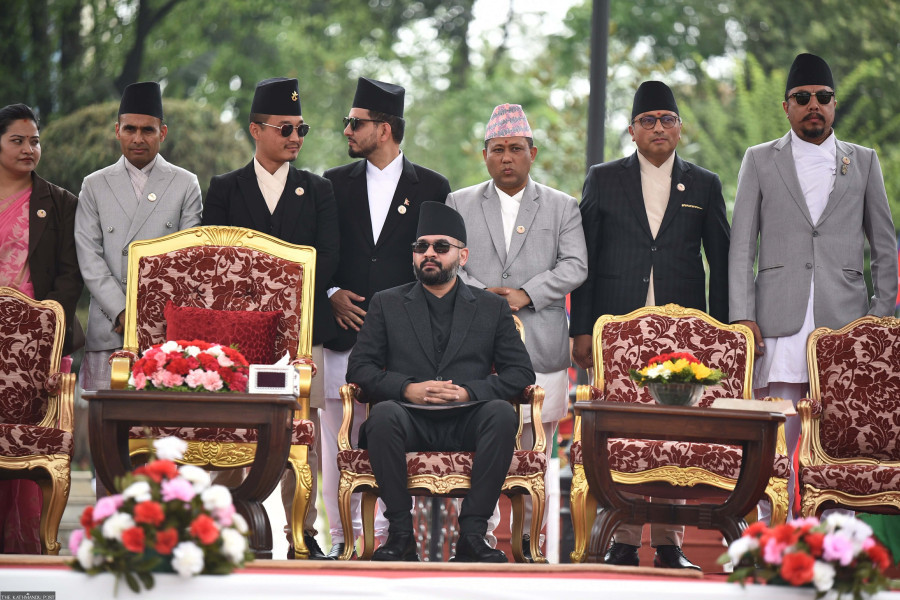
Marginalised groups in Nepal, including Dalits, have faced decades of systemic exclusion from the country’s political, economic and social structures. For generations, Dalits have been subjected to grave injustice and inhumane behaviour in both social spaces and within the state apparatus: From being secluded as ‘untouchable’ by so-called upper-caste people to being excluded from education, land rights, politics and protection under the law. Acknowledging this, on March 27, the newly formed government led by Prime Minister Balendra Shah decided to formally apologise to Dalit and historically marginalised communities and to announce special reform programmes for their uplift within 15 days, as a part of its 100-point work plan.
This is a rare and significant moment. Still, making the apology meaningful by enacting real change is easier said than done. Nepal abolished untouchability through a new national code in 1963, but weak implementation resulted in continued discrimination against marginalised groups. Later, the 1990 Constitution reconfirmed untouchability as illegal and a punishable offence. The Interim Parliament of 2006 also declared Nepal an untouchability-free country. Additionally, in 2011, the government introduced the Caste-Based Discrimination and Untouchability Act. The 2015 Constitution guaranteed them their rights in Article 40, ensuring representation in all state bodies, as well as including provisions for legal protection. These laws were important and necessary. Yet, the lot of Dalits largely remains unchanged despite such legal reforms.
What’s hindering true reform in the case of historically marginalised groups, particularly Dalits, is social attitudes that are not keeping pace with legal reforms. Nepali society still operates on the caste system, which has long favoured those from the upper castes. Incidents like the one taking place in a recent viral video, which depicts open caste discrimination at a hotel in Khalanga, Jumla, poses a direct challenge to the government’s pledge to apologise for all instances of discrimination faced by Dalits. It also suggests that caste discrimination is an ongoing, lived reality for Dalits; they continue to face exclusion while renting rooms, going to temples, housing, education, political representation, employment, and most crucially, are victims of violence. Even as Dalits are physically assaulted and killed just because they dare to love or marry upper-caste individuals, perpetrators often go unpunished.
This abject situation warrants more than a symbolic gesture from the government that received a strong mandate for reform in the recent election. The government has great authority to improve the lives of marginalised groups. It is thus vital to aggressively implement anti-discriminatory laws, expand marginalised groups’ access to education and job markets and hold those responsible for caste-based violence accountable. It also means increasing their political representation. But, unfortunately, even the present government has only one Dalit in the Cabinet and just 17 Dalit Members of Parliament, while 134 MPs belong to the Khas Arya—the historically dominant group.
The government has taken the right step, but it is an easy one. The more challenging and essential step is the latter part of point five of the 100-point reform: “establish social justice, inclusive restoration and historical reconciliation.” After all, justice is not achieved through words but through action.




 14.81°C Kathmandu