



 13.8°C Kathmandu
Mon, Oct 19, 2026
Columns
How visual storytelling is changing the way Nepal experiences cricket
Head of production for the Janakpur Bolts examines how visual storytelling changes the way fans experience Nepali cricket..jpg&w=900&height=601)
bookmark![]()
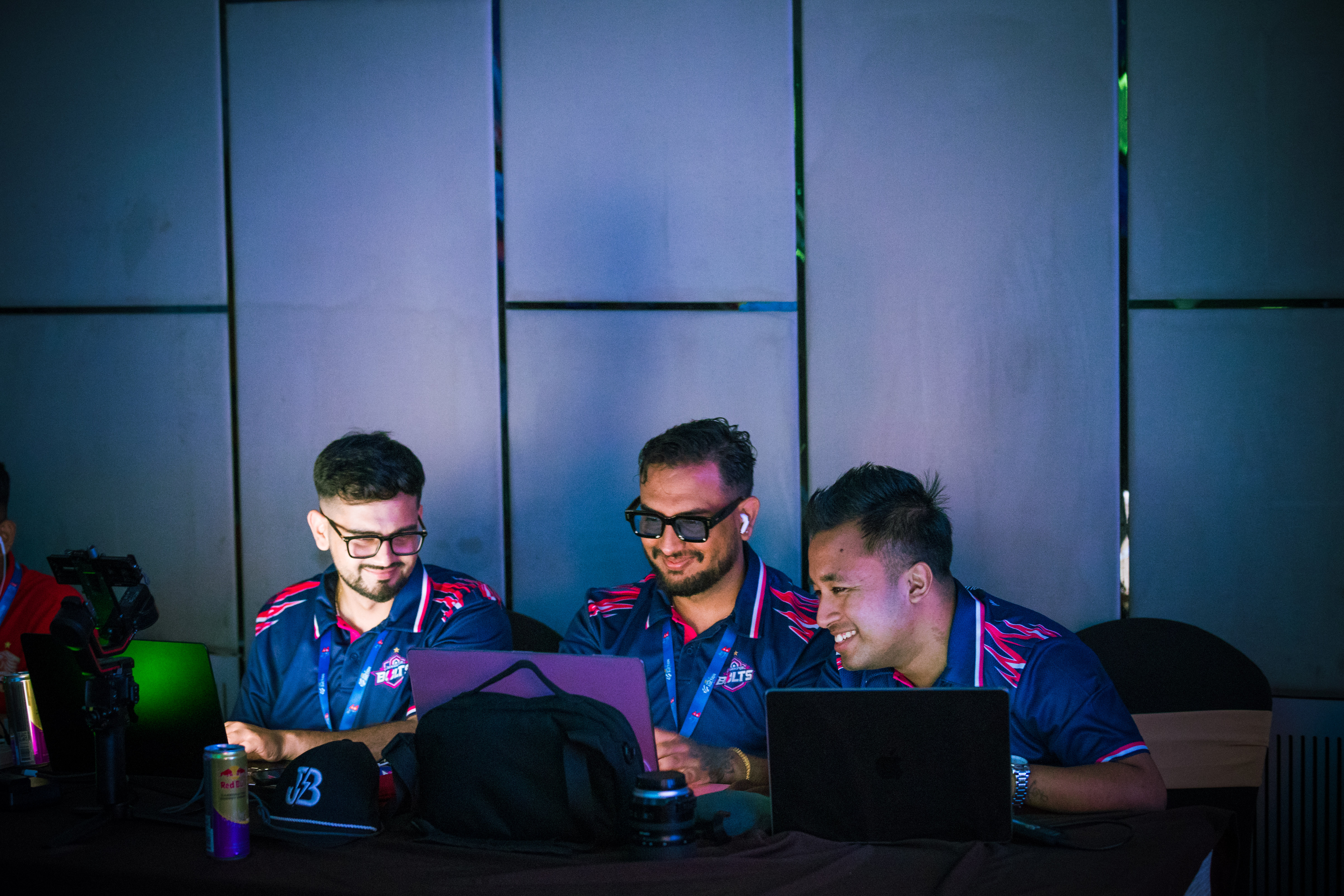
Bajracharya works with his team behind the scenes. Photo: Courtesy of Prashanna Bajracharya ![]()
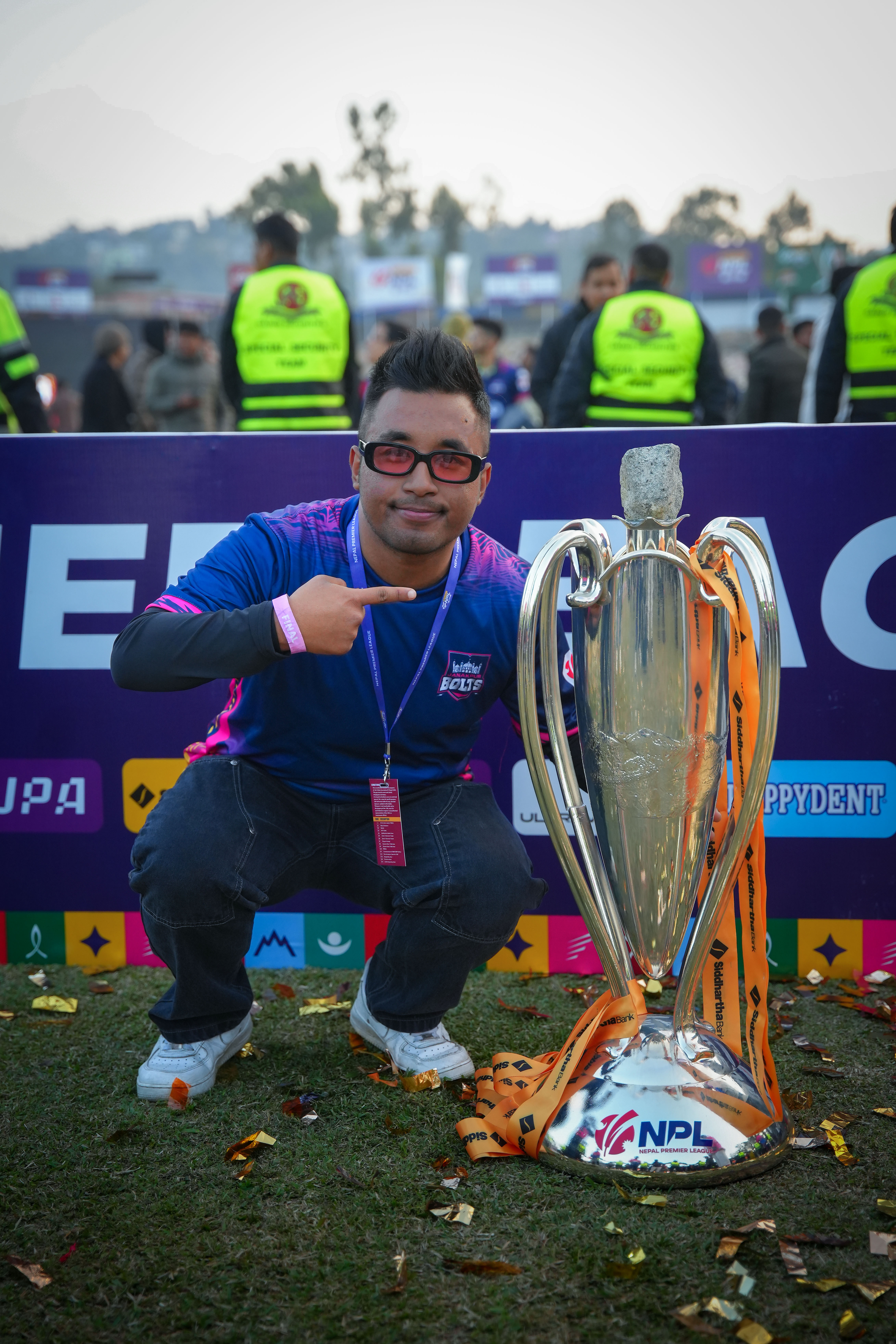
Bajracharya poses with the NPL trophy after the Bolts win the first edition of the tournament. Photo: Courtesy of Prashanna Bajracharya ![]()
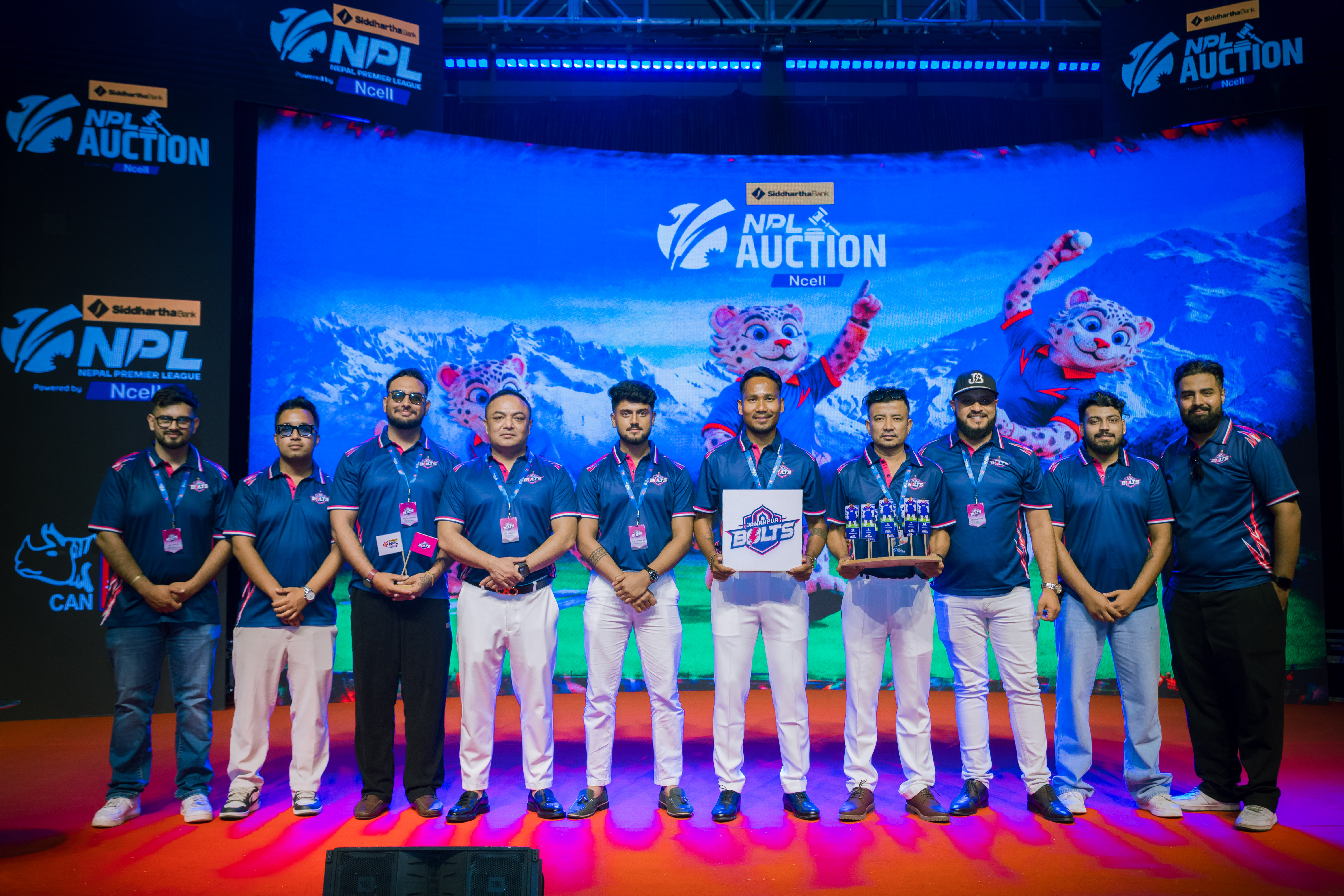
Janakpur Bolts' team pose for a photo. Photo: Courtesy of Prashanna Bajracharya
Prashanna Bajracharya
Published at : September 28, 2026
Updated at : September 28, 2026 21:42
We do not simply watch sports anymore. We experience it through stories.
A player we expected to feature might have a quiet match. Someone barely mentioned in the content plan could become the story. A win could turn the ground into a noisy one in seconds; after a loss, even lifting a camera could feel intrusive. By the time a creative team has agreed on what matters, supporters have already clipped the moment, argued about it and moved on to the next thing.
I encountered this properly while leading creative production and digital strategy for Janakpur Bolts during the Nepal Premier League. I had filmed concerts and worked on brand campaigns through untitled.np, but sport forced me to give up some control. The camera still mattered. So did the edit. Neither could make the match obey our plan.
That was the beginning of my education in sports storytelling.
A sports team is more than a playing eleven
Janakpur Bolts carries the name of Janakpur and represents Madhesh. Early in the work, one question kept returning: What, beyond the name, would make the team feel connected to the place?
The easy answer would have been to collect familiar symbols and place them into every graphic. That can quickly become a decoration. Supporters know when a franchise is borrowing the surface of a culture without understanding much beneath it.
We spent more time thinking about tone. The players had to look like professional athletes, but not so polished that they became remote. Match-day material needed energy without copying the visual language of every other franchise. We also had to accept that identity does not arrive fully formed on launch day. People build it through matches, players, jokes, disappointments and the small habits that develop during a season.
I still do not think a creative team can manufacture belonging. It can pay attention, avoid treating supporters like an audience segment and make work in which people recognise something of themselves. The rest has to be earned.
The match is only one part of the story
Most cricket coverage naturally follows the ball. There is a toss, a total, a chase and a result. Working close to a team made me notice how much sits outside that sequence.
There is the waiting before play. There are repeated drills that produce no dramatic footage. There are players who talk through nerves and others who become quieter. A dressing room after a win is easy to film. After a loss, the question is different: Should this moment be recorded at all?
That question matters because access is not permission to use everything. A camera can make supporters feel closer to players, but it can also turn a private disappointment into content before the person has had time to process it. Speed is part of digital sport; judgement has to be part of it too.
Our work for the Bolts included the expected material: player portraits, squad announcements, match graphics, training footage and short-form video. The useful lesson was that a template could only take us so far. On some days, the planned post was no longer relevant by the second innings. We needed a system, but we also needed people who could abandon it without losing the team's voice.
I care about visuals, so I have to be careful not to exaggerate their power. A strong campaign cannot rescue poor cricket. A beautiful reel does not change the points table. What it can do is help supporters understand the people involved and remain connected between matches. That is a narrower claim, but I trust it more.
The phone has changed the distance between player and supporter
Many Nepali supporters will never attend every match their team plays. They meet the franchise on a phone: a fixture notice in the morning, a live update during work, a clip on the bus home. The same screen also carries criticism, memes and rumours. Teams do not control that conversation, although they often behave as if they do.
Players now have their own audiences as well. Some enjoy speaking to the camera. Some are funny without trying. Others would rather let their performance do the talking. The temptation is to push everyone into the same content format because it is efficient and currently popular. Usually, that flattens the player.
The better approach takes longer. A creative team has to learn who is comfortable with what, when to ask and when to leave someone alone. A player's public identity should grow from his actual manner rather than from a character written for social media.
Nepali cricketers have stories shaped by family, geography, money and the long uncertainty of trying to build a sporting career here. Those stories deserve careful reporting and filmmaking. They do not all need an inspirational soundtrack.
Learning to work without the ending
Film work often creates the illusion of control. A director can repeat a take, change a lens or move a light. An editor can remove the pause that lasted too long. Sport does not offer those corrections.
That unsettled me at first. It later became the part I liked most.
You prepare the look of the season and decide how quickly the team can respond. Once play begins, you watch for what you did not anticipate. Sometimes you miss it. Sometimes the technically imperfect frame carries more feeling than the shot you planned carefully. The work becomes less about arranging reality and more about recognising it in time.
In 2026, I took that thinking into work connected with EUT20 Belgium and JB Bruges. The setting changed, but the central problem did not: how do you give a team a recognisable voice without pretending you can predict its story?
I would like to work on bigger stages in cricket in the future, including the IPL and ICC events. Mumbai Indians is the team I grew up watching, so filming that franchise remains a personal ambition. I say that knowing there is a large distance between ambition and readiness. The only useful way to approach it is to keep improving the work in front of me.
What Nepali cricket should remember
Franchise cricket is giving Nepali supporters new teams to argue over and new players to follow. The visual record of this period will matter, but it should include more than trophy photographs and sponsor posts.
It should show the crowd waiting outside, the work of ground staff, a player's routine before the gates open and the silence that follows a close defeat. It should also make room for regions and supporters to see themselves without turning their culture into branding material.
This responsibility does not belong to one production house. Franchises, broadcasters, the Cricket Association of Nepal, league organisers, photographers and reporters all decide what survives from a season. Most decisions will feel temporary when they are made. Together, they become the archive.
I began working in cricket wanting to make a team look distinct. I now think the harder job is to look closely enough that the team does not need to be invented. I am still learning how to do that.
Prashanna Bajracharya
Bajracharya is a photographer, filmmaker and creative entrepreneur who founded untitled.np





Most Read from Columns
Before you take credit for Khula Manch, read its history

Shah went to the UN to speak for Nepal, then left before he could make the most of it
Bhotekoshi flood wasn’t a freak event. It’s the Himalaya doing what it does
Lesson learned after the death of Ronaldo
Why passive neutrality won’t take Nepal anywhere
Editor's Picks



E-PAPER | October 19, 2026

×