



 17.6°C Kathmandu

Thu, Oct 22, 2026
Columns
Remittance and the fracturing of the traditional socio-cultural safety net
We cannot build anything meaningful by merely securing a good balance sheet at the bank while leaving our parents to die in lonely terror.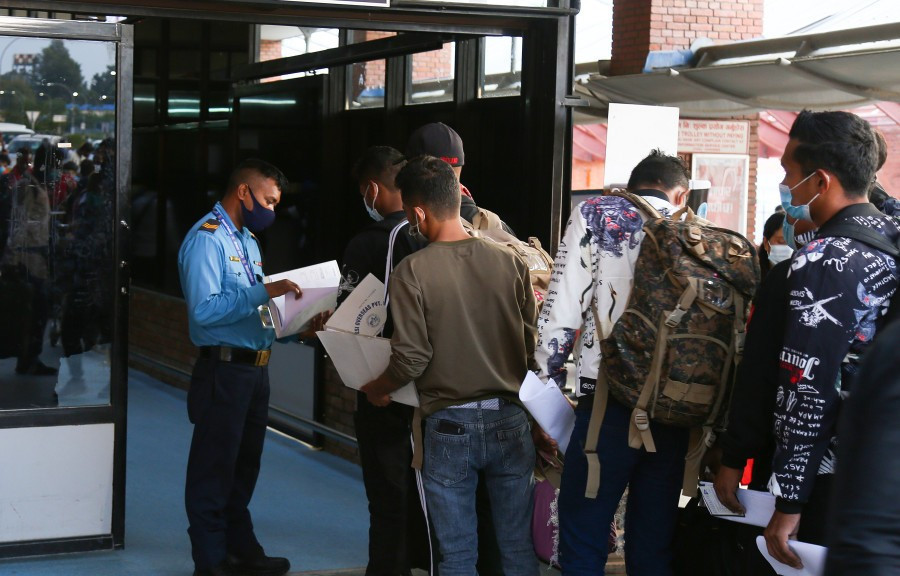
bookmark
Anju Gupta
Published at : June 24, 2026
Updated at : June 24, 2026 21:47
The remittance economy in Nepal is both a wonder and a curse. The money that enters the country in the form of remittances is equal to more than one-third of GDP, which is among the highest percentages in the world. It has certainly changed people’s lives by bringing them out of poverty, replacing houses made of mud and thatched roofs with concrete ones, paying for the private education of children from families who couldn’t afford it before and connecting rural areas with paved roads. But along with all those benefits comes an even darker reality.
The remittance paradox is what you call it: An economic framework that saves families from a monetary crisis but empties them out socially. Money comes in, but belongingness goes out. The extended family system, the common land of the village and the caring community are all fading away. Yet, no one has truly calculated the price.
Moving into the mid-hills and the Tarai region through Syangja, Khotang, Mahottari and Kailali districts, one will notice the same trends. Land is left uncultivated. Tea shops that once buzzed with lively debate are now quiet. The working-age population—people aged between 18 and 45 years—has migrated to countries such as Qatar, Malaysia and elsewhere for construction, industrial activities and service-related work. The only people left behind are a vulnerable demographic alliance of grandparents and their grandchildren.
The ramifications go well beyond aesthetics. In Nepal’s traditional agricultural setup, work was communal; the parma (reciprocal labour exchange) system kept communities bonded through shared planting and harvest seasons. But the system has now broken down. Food security is ironically worsening in certain rural areas where remittance-dependent families buy imported Indian rice from local markets using money sent from abroad. Emergency response by the community has also degraded; when the monsoons bring landslides, there is usually no one around to help rescue people.
The Nepali joint family wasn’t just a mode of living, but a complete social security system. The elders were custodians of the culture and caretakers. The grownups worked hard to earn a living while being connected to the family, and the kids were brought up with multiple levels of supervision by the parents, uncles, aunts and grandparents. Far from perfect, often conservative and patriarchal, it did offer an effective protection net.
Migration has disrupted this process at either end at once. When a young man migrates out in search of employment, he usually takes his wife away from the village to live in a nearby town or Kathmandu. This second internal migration process completely breaks the link between the young couple and their extended kinship system. And the outcome is elderly parents left alone in decaying ancestral homes, cut off from their sons working outside the country and grandchildren living in other places—nuclear families in urban settings, deprived of the support of the community.
Thousands of senior citizens in Nepal live through an old age, navigating loneliness and physical frailty. Reports of senior citizens dying in far-flung villages and their deaths being known to their neighbours only days after are now common occurrences. Tasks such as fetching water, dealing with ill health and travelling to health posts have become mammoth tasks for seniors without the backing of their families. Money transfers via wire cannot prepare food or be present to comfort ailing senior citizens. Mental health issues have become rampant in the form of increased depression, anxiety and existential crisis.
There is a term which teachers in rural towns whisper amongst themselves—remittance orphans. It is about kids with good shoes, fancy cell phones and money in their pockets without anyone in the family to discipline them or hear them out. Grandparents have all the best intentions in the world, but they are too tired and not educated enough in the modern sense to deal with digital influence, academic pressure and the dynamics of peer interaction. The obvious outcomes range from increased drug use among adolescents, high dropout rate from schools despite being able to afford it financially, to complete emotional detachment from everything around.
Mass migrations are not ending any time soon because our structural unemployment and macroeconomic weaknesses mean they cannot. However, we can no longer consider social degradation as an acceptable byproduct. The government must undertake three policies:
Ward-level elder care centres: Each ward needs to come up with Senior Citizens’ Engagement Centres which need not be the old age homes of disgrace but rather centres where senior citizens come together for health checks, sharing of meals and mentoring schemes where school-going children interact with their seniors. It’s a way to pass on history and skills while also solving the twin problems of loneliness among the elderly and lack of guidance among young people.
Family-centred pre-departure counselling: Current orientation programmes are focused on labour laws and logistical details of airports. These orientation programmes have to be revamped and made to cover spouses and elders, making it mandatory for them to learn how to manage their long-distance relationships, how to deal with changing gender roles, and how to do financial planning. If the financial burden is taken care of prior to the move, survival is easier.
Returnee reintegration through cooperative farming and micro-credit: The objective is for migration to be converted into an interim stage of wealth generation rather than a permanent means of survival. Lines of credit at low interest and without collateral that are proportionate with the skills developed overseas such as construction, logistics and other technical professions can help returning migrants to start their own business ventures locally. Rural economic activity can be revived and the youth sent back to their villages through cooperative farming systems utilising idle lands and labour.
Again, building a nation economically comes at a cost; it destroys its culture. By gaining a house for ourselves in an urban area at the cost of losing the protection from our parents and securing a good balance sheet at the bank yet leaving our parents to die in lonely terror, we are not developing anything. A country is not judged only on its balance of payments. The infrastructure for care, the support systems for families and the reintegration pathways must ensure that the remittance machine does not continue to run on the destruction of families.
Anju Gupta
Gupta is an associate professor at the Central Department of English, TU.



Most Read from Columns




Editor's Picks




E-PAPER | October 22, 2026

×