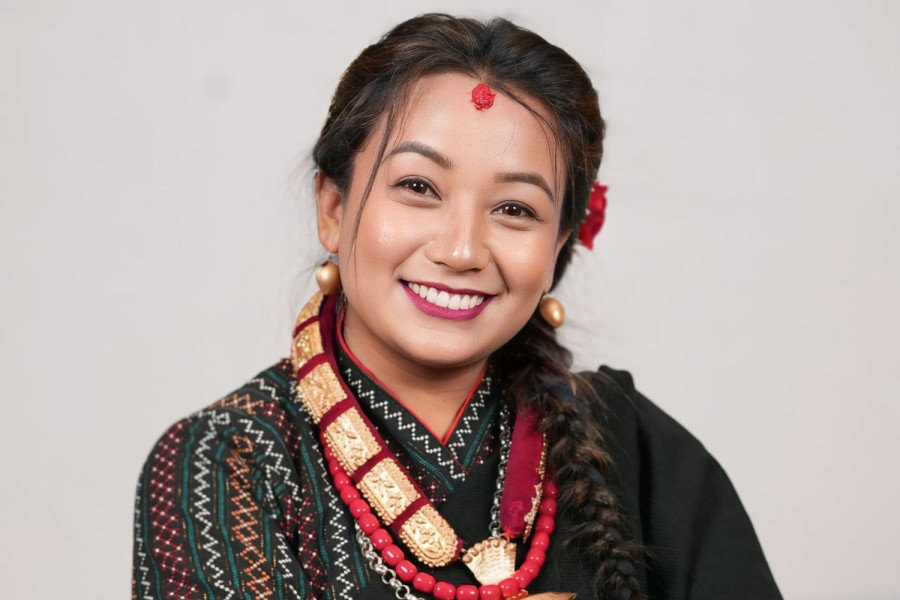
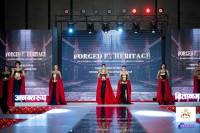
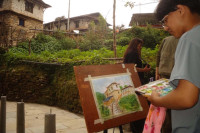
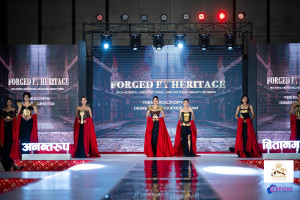
Through education, media, and digital initiatives, Nitu Dangol is working to revive Nepalbhasa and traditional scripts among younger learners. Provided to the Post
Nitu Dangol is a Nepalbhasa language educator, cultural advocate, and media presenter. She teaches Nepalbhasa at Shree Sharada Basic School in Tilganga and works as a Nepalbhasa programme presenter at Prisma Television. Dangol is also actively involved in promoting the Ranjana and Prachalit Nepal Lipi through workshops and community initiatives.
She currently serves as the Joint Secretary of the Callijatra Foundation and is involved in several linguistic and cultural projects to revive Nepalbhasa through digital platforms and education. Dangol has presented her work on the digital promotion of indigenous languages at international forums, including the Global Voices Summit and UNESCO’s Rising Voices.
In this conversation with the Post’s Sanskriti Pokharel, Dangol discusses blending education, media, and digital initiatives to encourage people to learn Nepalbhasa and rediscover indigenous scripts.
You have been involved in teaching Nepalbhasa, promoting the Ranjana script, and working in the media. How did your journey with language and cultural advocacy begin?
My journey began during my school years. I studied at Jagat Sundar School, which is known as the first school in Nepal to teach through the Nepalbhasa mother tongue. Nepalbhasa was part of my education until grade seven. From grade eight, we had the option to choose different subjects, and I chose optional mathematics instead of continuing the language as a subject.
However, the foundation for the language was already there in me because of those early years of schooling in Nepalbhasa. Later, during my Master’s, I joined Miss Newa in 2019. During the training, we learned the Nepalbhasa language, culture, festivals and scripts. Likewise, there were grooming sessions. Trainers like Rojin Shakya and Sunita Dangol taught the language and guided us throughout the programme. It was a very fun and meaningful experience, and after Miss Newa, my interest in the language grew even more.
After that, I went to Nepal Lipi Guthi for further training. I started taking classes and learning more about different scripts. In school, we had already studied the Prachalit Nepal script, but I later learned the Ranjana script. Through these training sessions, I gained a deeper understanding of scripts and their history.
Similarly, I became involved in various workshops, such as Callijatra. At first, I participated in the workshops, and later I also helped organise them along with others. Step by step, I started sharing what I had learned with others.
I was also involved with Archive Nepal, where I worked on manuscript transcription.
In this way, I slowly moved from learning to teaching. Likewise, I continued participating in workshops and language activities. Today, my routine involves teaching Nepalbhasa and promoting scripts like Ranjana through different platforms.
Many young people say learning scripts like Ranjana has little practical value in their daily lives. How do you respond to that criticism?
I understand why some young people feel that way because they often think only about immediate practical use. Nevertheless, learning a script like Ranjana is not only about daily utility. It is also about creativity and personal connection with culture.
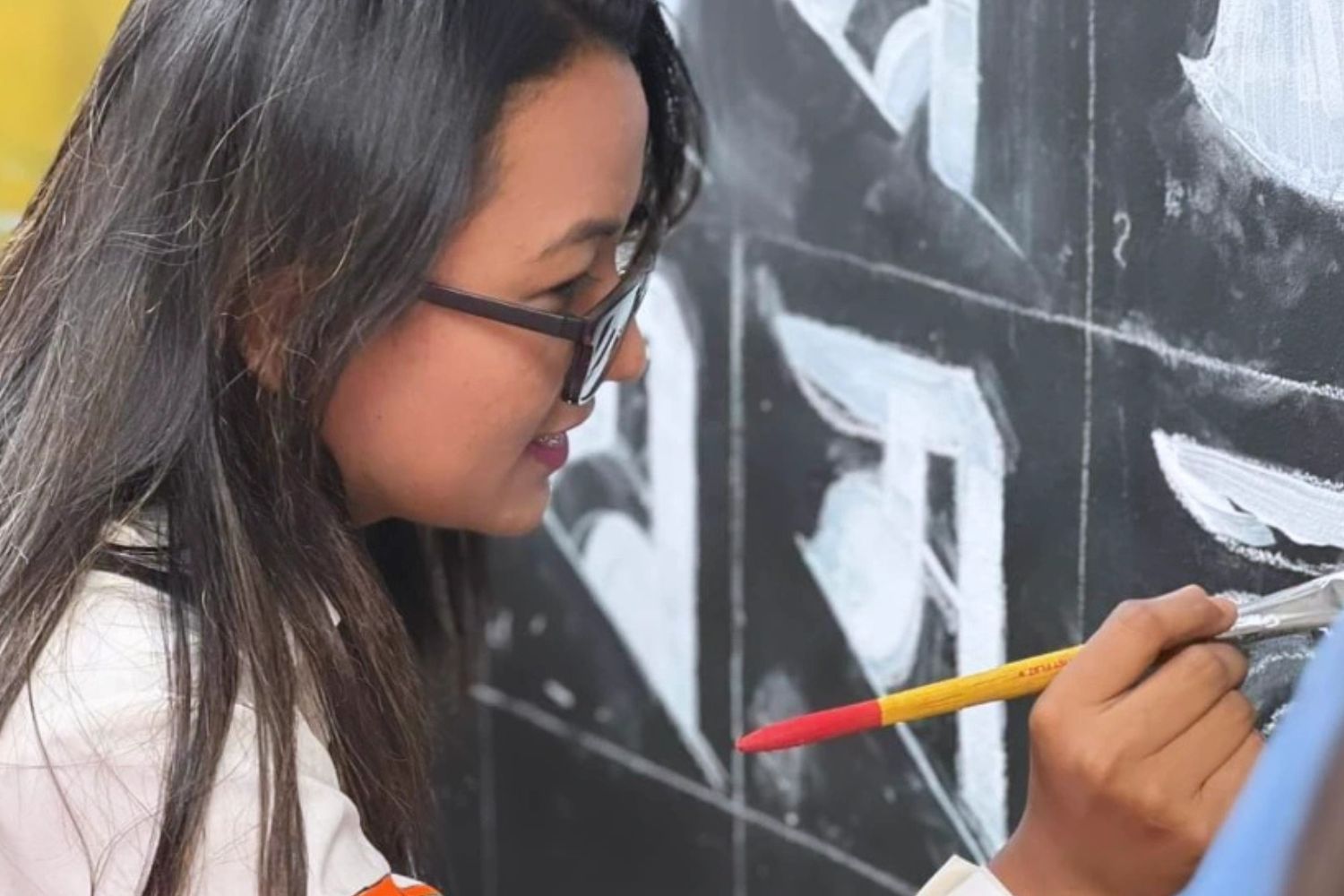
For many learners, writing Ranjana becomes a form of meditation. When people practice calligraphy and carefully draw each letter, it helps them relax. In today’s fast-paced life, many people experience stress. Writing these scripts can actually become a calming activity. Likewise, it allows people to express themselves artistically.
Another interesting thing is that even people who say they are not artists can enjoy it. Once they start practising the script, they discover a creative side of themselves. So in that sense, learning the Ranjana script is not useless. On the contrary, it can be meaningful both culturally and personally.
You have taught Nepalbhasa classes both locally and internationally, including online classes for communities abroad. What differences do you notice between learners in Nepal and those in the diaspora?
I currently teach through different programmes. For example, under the Kathmandu Metropolitan City initiative, I am one of many teachers teaching Nepalbhasa to school children. At the same time, I have also conducted online classes for learners living outside Nepal.
The experience is quite interesting. In Nepal, many students already hear the language in their communities, even if they do not speak it fluently. So they have some familiarity with the sounds and vocabulary. However, their motivation can sometimes vary because they feel the language is already all around them.
On the other hand, learners in the diaspora often show a very strong interest. Many of them want to reconnect with their roots. Similarly, they are curious about the culture and traditions that their families talk about. I have even taught a few non-Nepali learners who became interested in the language after visiting Nepal. Overall, the experience has been very encouraging.
What is Callijatra Foundation all about?
Callijatra is a combination of the words calligraphy and jatra, which means festival. The idea behind it is to celebrate the art of writing scripts. The initiative actually started around 2017 with a group of young people who were passionate about scripts and calligraphy. I joined the project in 2019.
Later, we formally registered the organisation as the Callijatra Foundation to work more systematically. Since then, we have collaborated with designers, developers and media professionals. Together, we have tried to make indigenous scripts more accessible in the digital world.
For example, we have helped develop fonts and applications so that people can type and use these scripts digitally. Likewise, we regularly produce tutorials and videos that teach people how to write the scripts. These resources are especially useful for young learners who prefer digital platforms.
Our plan is also to integrate language and script learning together. When people learn the language and the script simultaneously, the connection becomes stronger. Step by step, these efforts are helping to reduce the gap between traditional scripts and modern technology.
You work as a Nepal Bhasa programme presenter. How can media platforms better represent indigenous languages and cultures in Nepal?
The media can play a very important role. At present, programmes in indigenous languages are still quite limited. Not only Nepalbhasa but many other languages face the same issue.
One possible approach is to produce programmes in different languages and include subtitles. That way, even people who do not speak that particular language can still follow the content. Similarly, it allows different communities to learn about each other’s cultures.
Media platforms should also try to maintain continuity. Sometimes a programme starts with good intentions but stops after a short time. If programmes continue regularly, audiences will gradually develop interest and familiarity with the language.
Moreover, representation should not focus only on one community. Nepal is home to many languages and cultures. The media can highlight this diversity and foster a sense of shared understanding.
Should the government be doing more to institutionalise languages like Nepalbhasa in education?
There has been some progress, but there is still a long way to go. In recent years, we have seen more visibility for scripts like Ranjana. For instance, there are tutorials online, and some signboards in Kathmandu Metropolitan City now include the script.
However, institutional support needs to be stronger. In many schools, mother tongue education is still limited. Likewise, government offices rarely have translators who can communicate in local languages.
Another important point is that Nepal has more than one indigenous script. There are many scripts connected to different languages and communities across the country. Therefore, government policies should support these scripts side by side.
If language and script education are properly implemented in schools and public institutions, it will help preserve cultural heritage. At the same time, it will also allow future generations to feel more connected to their linguistic roots.
Sanskriti Pokharel, a former reporter and sub-editor at the Post, is a final-year student of Journalism, Mass Communication, and English Literature at St. Xavier's College, with experience in media, research, and communication.




 12.62°C Kathmandu