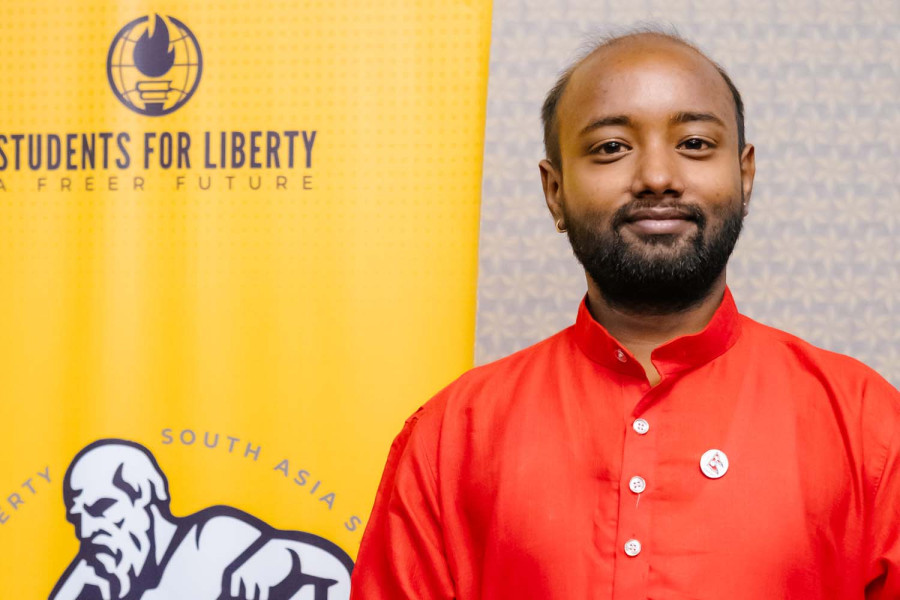
I stand at the intersection of science, policy, and social influence. My academic training in biotechnology taught me to question information, analyse data critically, and approach problems with structure and logic. Today, as I lead Youth Activism Nepal and coordinate with global networks such as Students For Liberty and Global Changemakers, artificial intelligence has become a tool that supports both my scientific thinking and my organisational work.
AI has served as a research assistant, editor, strategist, and creative partner—helping me bridge the gap between lab-based reasoning and community leadership.
Strengthening scientific inquiry
In biotechnology, curiosity drives research. When exploring complex issues such as antimalarial resistance, environmental sustainability, or population health trends, I use AI to gain an overview of scientific concepts, summarise research findings, and compare global case studies.
It helps me break down dense technical papers into accessible insights, identify research gaps, and refine research questions. Rather than replacing scientific rigour, AI strengthens it by making information clearer and more organised.
When drafting awareness materials or policy briefs on health and the environment, I rely on AI to refine language, ensure accurate terminology, and present scientific information in a way that is understandable to the general public. The responsibility to verify facts and maintain integrity, however, remains mine.
Reimagining lectures and advocacy
AI has also transformed how I prepare lectures, seminars, and advocacy campaigns. Whether discussing the philosophical evolution of individual rights from John Locke to Ayn Rand, or speaking about environmental innovation and youth empowerment, AI helps me organise scattered ideas into coherent structures.
It suggests logical flows, strengthens arguments, and ensures that presentations remain engaging. Instead of memorising scripts, I use AI to clarify my thinking so that I can speak more naturally and confidently. For someone who regularly drafts proposals, designs campaigns, and addresses public forums, this structured support enhances clarity and professionalism.
Staying informed in a fast-moving world
As a leader involved in policy discussions and youth initiatives, staying informed about global affairs is essential. AI enables me to compare policies across countries, analyse international trends, and draw lessons that can be applied locally in Nepal.
When planning environmental initiatives, antimicrobial resistance awareness programmes, or grant applications, AI helps map strategies and anticipate potential challenges. It offers perspectives that widen my understanding, but the ethical judgment and final decisions remain human responsibilities.
For me, technology is not a replacement for intelligence or conviction. It is a supplement—an instrument that sharpens thought and expands perspective. As a biotechnologist and social entrepreneur, I see AI as a collaborative tool that enhances human capability. People shape the future through the tools they use, but it is conviction, responsibility, and moral clarity that ultimately shape history.




 26.78°C Kathmandu