Dashain just isn’t the same in this village anymore
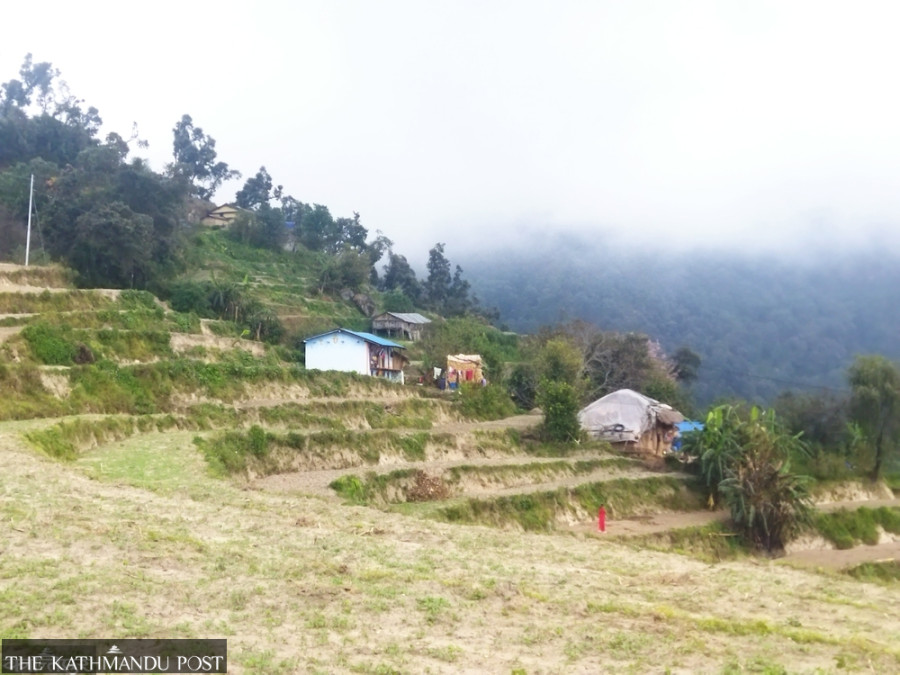
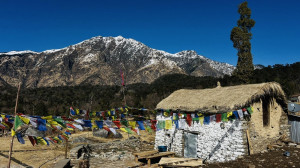
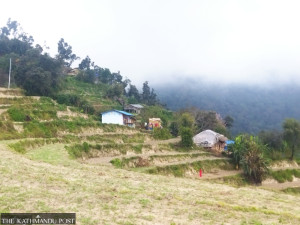
In Dadeldhura’s Kafali, families have dwindled from 17 to six as people leave in search of better services and livelihoods, leaving behind empty homes and fading festival traditions. Post photo
Dashain and Tihar once brought Kafali village to life. Relatives returned from afar, children and young people gathered, and paths between homes filled with people catching up. With most families still living in the village, the festive season had a vibrancy of its own.
That bustle has all but disappeared. As families move away, homes stand empty and the old festive spirit is fading.
Until five years ago, reaching Kafali from Dadeldhura district headquarters meant walking for about eight hours. A dirt road has since reached close to the village, making travel easier, while electricity has brought changes to daily life. Yet despite these improvements, the number of people living here continues to shrink.
The village, which once had 17 households, now has just six. Many families have moved to the Tarai plains and other urban areas in search of basic services, including education and healthcare. Their ancestral homes and farmland remain behind, but many who left have not returned.
Road access and electricity have done little to stem the exodus. Residents say families continue to leave because local schools, healthcare and other essentials remain inadequate. Farming offers little security either, as monkeys and other wild animals destroy crops. Despite having cultivable land, many families have struggled to earn enough from it to sustain themselves.
For 70-year-old Shanti Bhatta, the Dashain and Tihar of years past remain vivid memories. Until eight to 10 years ago, she said, the festivals brought a distinct sense of excitement to the village. Students returned home when schools closed, and families and neighbours gathered for celebrations.
“Dashain and Tihar used to be special here. When schools closed, students came back to the village, and the homes were full of family members and neighbours,” Bhatt said. “Now migration has emptied the village.”
Many families left in search of better living conditions and essential services, she said. Making a living from farming has also become increasingly difficult. After months of hard work, farmers often see their crops destroyed by monkeys and other wild animals, leaving them with little to show for their labour. With livelihoods growing harder to sustain, many have moved away with their families.
Bhatta is not alone in mourning the change. Kalapati Bhatta, who lives in Dhangadhi and has returned to her maternal village of Kafali, is struck by the contrast between the place she remembers from childhood and the village she visits today.
As a child, she was surrounded by friends and peers. Festivals brought everyone together, relatives came and went, and the anticipation of Dashain began well before the celebrations themselves.
That atmosphere is now difficult to find. Many houses have been abandoned, and most of the friends she grew up with have moved elsewhere. With fewer families remaining, festive gatherings have also dwindled.
“There were so many friends when I was growing up. Dashain was a wonderful time when everyone came together,” Kalapati said. “Now many houses are empty. The village is no longer the lively place it used to be.”
Once crowded during the festive season, Kafali now depends on a handful of remaining families to keep its traditions alive. For those who have moved to the cities, the old village may live on in memory. For those who still celebrate Dashain here, its once-familiar cheer is increasingly a thing of the past.




 17.6°C Kathmandu