Before Dashain, the border crossings in Kailali and Kanchanpur were busy with people heading back to the home hill districts of Sudurpaschim Province. Nepalis working in Indian cities and those living in the Tarai for work or studies were making their way home to celebrate the festival with their families.
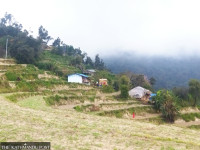
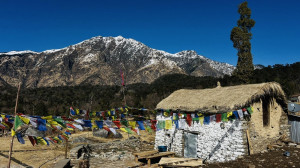
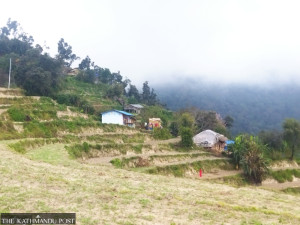
Their return brought a festive buzz to hill settlements that remain largely quiet for much of the year as people leave in search of work. Now, the direction of travel has reversed. With Dashain celebrations over, many are heading back to Indian cities to resume their jobs.
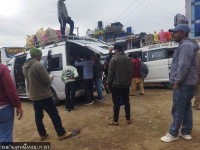
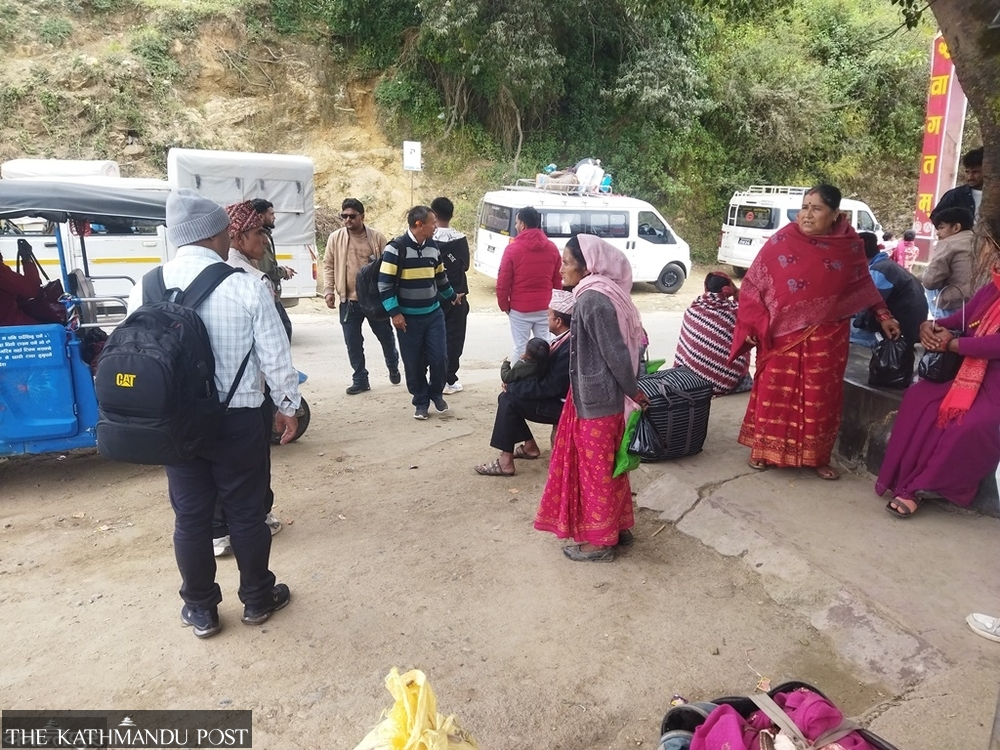
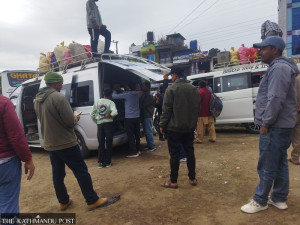
Passengers bound for India have started gathering at the Dadeldhura Bus Park in recent days. Many have spent a few days with their families before returning to the places where they earn their living.
Bengaluru, Chennai, Delhi and Mumbai are among the main employment destinations for people from Sudurpaschim. Some work in construction, while others find jobs in hotels and other labour-intensive sectors. They spend most of the year working in these cities to support their families, returning to their villages during the farming season and major festivals.
For many households, the pattern has become part of everyday life: return home for Dashain, Tihar or agricultural work, then leave again for employment in India.
Laxmi Devi Bhat of Bhageshwar Rural Municipality-4 said many houses in her village remain quiet throughout the year because of migration and the search for employment elsewhere. The return of family members from India and other parts of the country during Dashain, Tihar and the farming season brings the settlements to life, if only briefly.
Once the festivals are over, however, people head back to their respective workplaces, leaving the villages quiet again, she said.
Khem Bhatta of Ganyapdhura Rural Municipality-1 has also returned to Chennai after celebrating Dashain at home. He has been working in different parts of India for the past eight to 10 years and visits his village whenever he can during the festival season. This year was no different. He returned to Chennai after receiving Dashain tika.
“People should make time to come home during festivals. There are not many opportunities for jobs or business here,” he said. “India has become our main source of employment.”
Although he had hoped to stay home until Tihar, which is approaching, he had to return to work to earn a living, he said.
Sabitri Nepali of Amarghadi Municipality-8 also works in Bengaluru with her husband. The couple had returned home for Dashain but went back to the Indian city together after the festival.
“I work in Bengaluru with my husband. We came home for Dashain, but after receiving tika, we returned to work,” Nepali said. “We will come to Nepal for the New Year if we can manage the time. Otherwise, we plan to return next year for Dashain.”
For Nepalis working in India, travelling home for festivals and returning to work once the celebrations are over has become a familiar routine.
Gobinda Tamrakar of Amarghadi Municipality-6 said villages become lively when family members working away return during the harvest season and festivals. Their arrival brings relatives together and revives social activity in settlements where many people have been away for long periods.
But once Dashain ends, the workers leave again, and the villages return to their usual quiet, he said. Migration and the pursuit of employment have left rural communities without the year-round activity they once had.
Dil Bahadur Air, who worked in Chennai for many years, said large numbers of Nepali workers in India usually return home during the festival season. The movement of Nepali workers between India and their home districts increases during Dashain and Tihar, based on his experience.
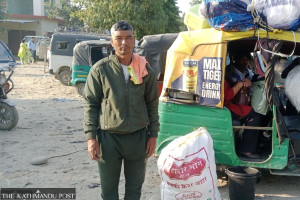
The change in travel patterns is also evident to those working in the transport sector. According to Padam Bhatta, a driver, buses were packed with passengers travelling from Kailali and Kanchanpur to the hill districts, including Dadeldhura, before Dashain. The situation is now the opposite, with far fewer people travelling uphill and more heading towards the Tarai.
“Before Dashain, buses were full of passengers travelling from Kailali and Kanchanpur to the hill districts. Now, very few are making that journey,” he said. “More people are travelling from the hills towards the Tarai.”
The number of people leaving has increased as students, job seekers, families relocating to the plains and workers returning to Indian cities make their way through the border crossings in Kailali and Kanchanpur, he said.
India has long been a major employment destination for people from the hill districts of Sudurpaschim. Thousands of people, particularly from Dadeldhura, Baitadi, Doti, Achham, Bajhang and Bajura, have travelled to Indian cities in search of work.
For many families in the region, income from jobs in India remains essential to meeting household expenses, paying for children's education and covering daily needs.




 15.89°C Kathmandu