Dasharath Chand University of Health Sciences gets 90 seats across four medical programmes
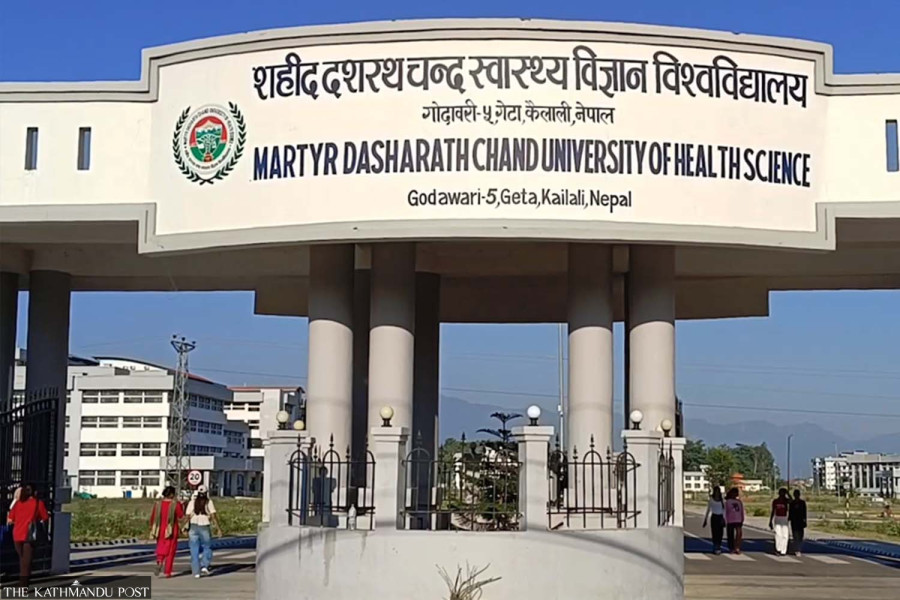
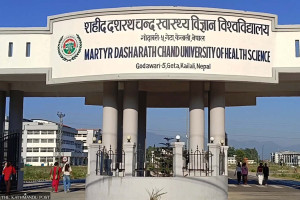
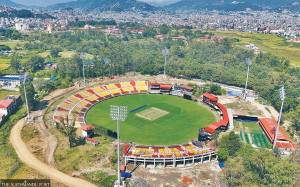
The approval includes 50 MBBS places, clearing the way for medical education to begin at the university in Sudurpashchim this academic year. Martyr Dasharath Chand University of Health Sciences. Post file photo
The Medical Education Commission has allocated 90 seats across four academic programmes at Martyr Dasharath Chand University of Health Sciences in Geta, Kailali, clearing the way for medical education to begin at the institution this academic year.
The university has received approval to enrol 50 students in its Bachelor of Medicine, Bachelor of Surgery (MBBS) programme, 20 in BSc Nursing, ten in BSc Medical Laboratory Technology and ten in Bachelor of Optometry, according to the university administration. This is the first time the commission has allocated seats for the university’s academic programmes.
The commission’s integrated entrance examinations are scheduled to run from October 31 to November 4 at designated centres. Details of the examinations and admission procedures are available in the commission’s official notices.
The university received approval after meeting requirements related to infrastructure, staffing and legal compliance, registrar Dr Bhim Bahadur Chand said. “We have received permission to run academic programmes, including MBBS, after meeting the requirements for infrastructure, staffing and legal compliance,” Chand said.
The launch is expected to expand opportunities for students in Sudurpashchim, many of whom have had to travel outside the province to study medicine. The university also hopes to attract students from other parts of Nepal and abroad. Its ability to provide quality education over the long term, however, will depend on adequate infrastructure and sufficient academic staff.
The university administration said a 300-bed hospital was operating at Geta in line with the Medical Education Act. Plans are underway to expand its capacity to 500 beds. The hospital currently offers more than 50 types of specialist medical services and treats between 400 and 500 patients a day, according to the administration.
Work to procure additional equipment and recruit the staff required for both hospital services and academic programmes is being expedited, Chand said. “More than 50 specialist services are currently available at the hospital, which treats 400 to 500 patients daily. Work to expand its capacity and manage the additional equipment and staffing requirements is also under way,” he said.
Running academic programmes alongside hospital services would give students opportunities for clinical practice and learning based on patient care. This will require adequate facilities and sufficient numbers of specialist doctors, teachers and other health workers, Chand said.
The university administration said Rs2.53 billion had been allocated for recurrent and capital expenditure covering academic programmes, hospital operations and infrastructure expansion. The budget proposal has yet to go through the university senate’s approval process.
Rajendra Baral, a retired teacher from Punarb as in Kanchanpur, described the start of medical education at Geta as a long-awaited development for Sudurpashchim.
“Although the establishment and operation of a health sciences university in Geta had been discussed for years, regular medical education programmes had not begun. With classes now set to start, the long wait for people in Sudurpashchim is finally expected to bear fruit,” he said.
Residents hope the university will reduce the need for students to leave the province for medical education while improving access to specialist healthcare locally. Realising those expectations will depend on the consistent operation of academic programmes, the recruitment of qualified staff and the effective expansion of hospital services.




 24.67°C Kathmandu