Dashain homecomings bring a new wave of visitors to Ramaroshan
Nepalis returning from cities and abroad are adding trips to Achham’s lakes and alpine meadows to their festival plans, but poor roads and limited accommodation remain obstacles.
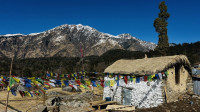
The Dashain and Tihar holidays are bringing more than family reunions for people returning to their villages. In Achham, many are also making time to explore Ramaroshan, a highland destination known for its lakes, rolling meadows and natural beauty.
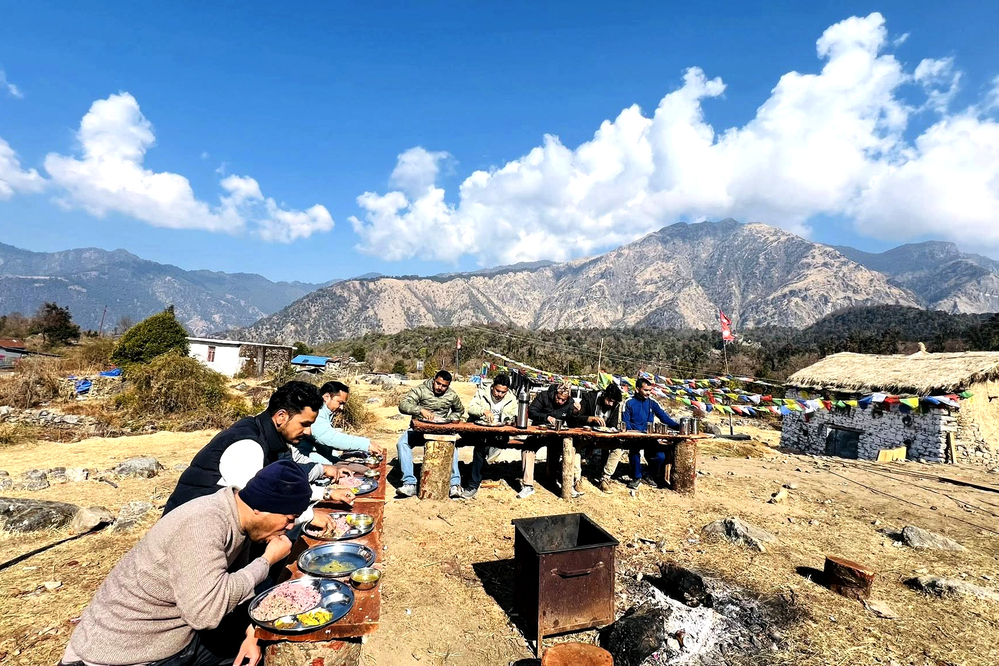
People who have moved to cities or gone abroad for work and study return home for the festivals and plan excursions with relatives and friends. For some, a trip to Ramaroshan has become part of the annual homecoming.
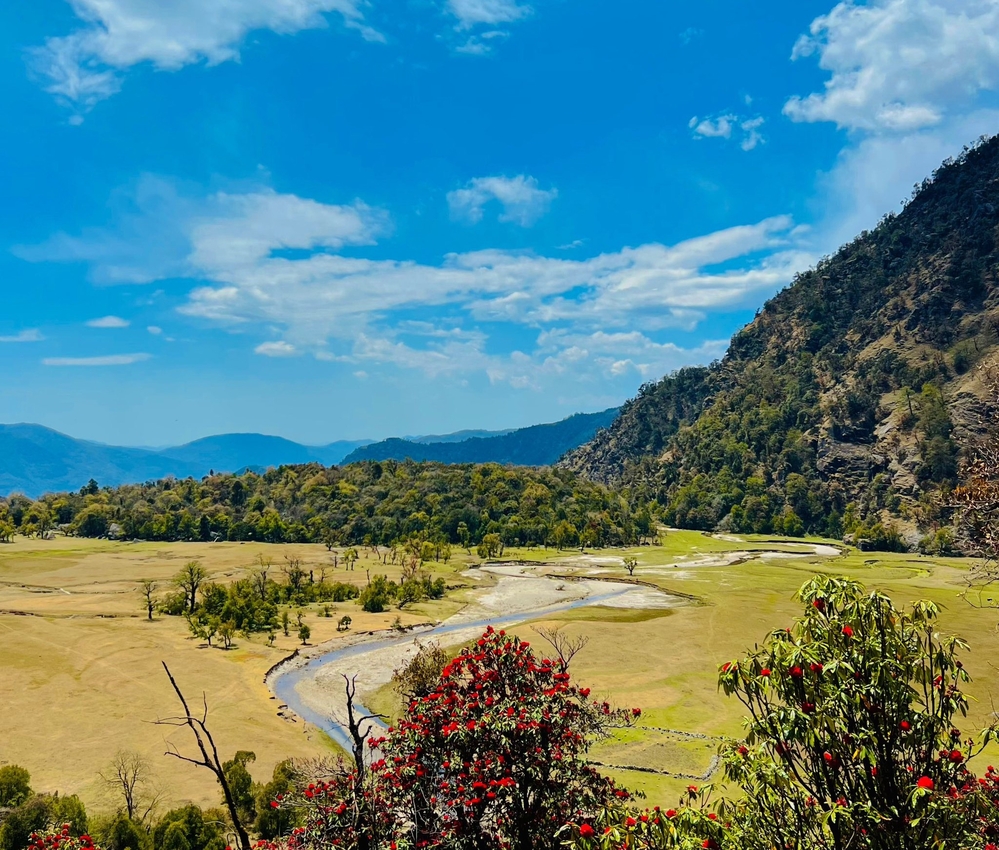
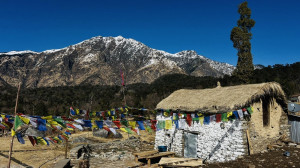
The destination, one of Sudurpaschim Province’s major tourist attractions, is known for its 12 lakes and 18 large meadows. Its green landscapes and distinctive terrain make it appealing to visitors looking to spend time outdoors with family and friends.
Purna Bahadur BK, executive director of the Ramaroshan Area Tourism Development and Management Committee, said many people were arriving in their villages with plans to visit the area.
“People returning home for Dashain often come with the idea that they must visit Ramaroshan at least once,” he said. “The place is lively, and more people are coming for family outings. Some visit with their families, while others organise trips with friends.”
For those who have spent years away, he said, the visit offers more than a chance to enjoy the scenery. It is also an opportunity to rediscover their home region and revisit familiar places.
Despite the growing crowds, there are no reliable figures on how many tourists visit Ramaroshan. The tourism committee has yet to establish a system to record arrivals, making it difficult to measure the increase.
“We do not keep records of visitor numbers. We would need staff to do that,” BK said.
Local business owners, however, say the destination has become noticeably busier in recent years. Laxman Bohara, who runs Ramaroshan Adventure and Camping Resort, said interest had grown over the past two to three years, with visitor numbers typically rising between Dashain and Tihar.
“Ramaroshan used to be quiet. There was little publicity, perhaps, and not many visitors came,” he said. “Now, it is lively throughout the year.”
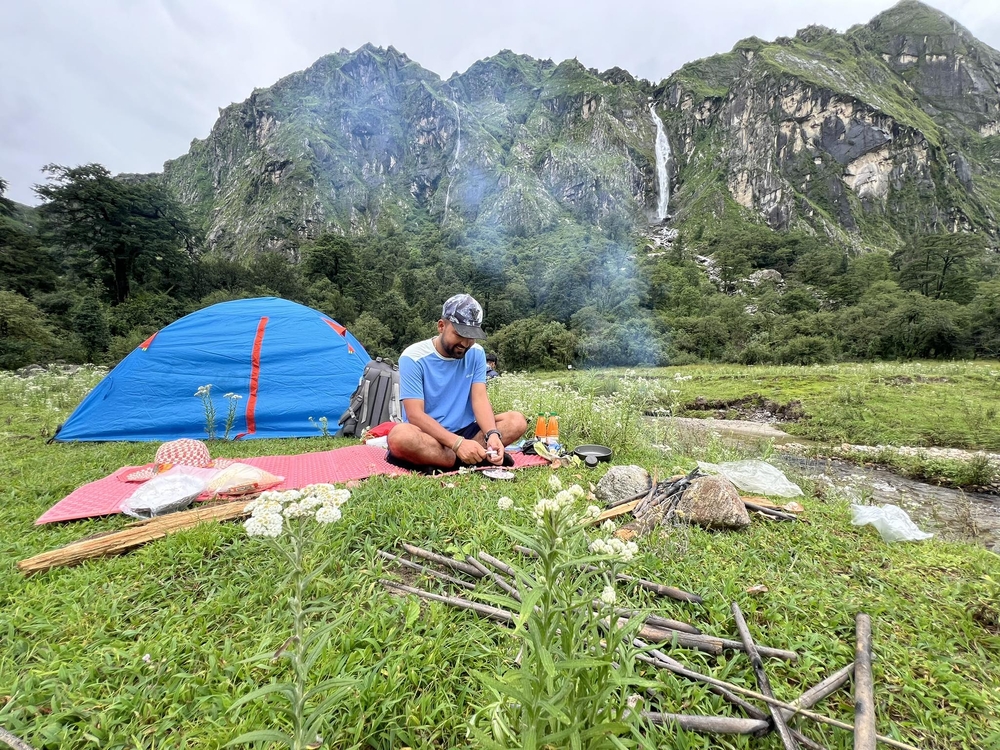
As interest grows, local businesses are trying to improve food and accommodation services. Bohara’s resort serves local dishes, including Himalayan goat (chyangra) and sheep meat, and can accommodate about 40 people at a time. Opened in February, it has also added temporary shelters for visitors.
Ramaroshan’s reputation has begun to spread beyond the surrounding area, helped by greater publicity and wider public attention. But infrastructure has not kept pace with its growing appeal, said Gopi Khanal, chair of the tourism development and management committee.
“Poor road conditions and limited accommodation make things difficult for visitors,” he said. “Now, even people returning home for the festivals are making plans to visit Ramaroshan.”
The road from Mujabagar to Ramaroshan is particularly difficult during the monsoon, local business owners say. Poor access affects not only tourist arrivals but also the ability of residents to take their produce to market.
Resident Dal Bahadur Saud said the growing interest made improvements to roads, telecommunications and accommodation increasingly urgent.
Ramaroshan stretches from around 2,000 to 4,000 metres above sea level and is known locally as Barha Banda, Athara Khanda, referring to its 12 lakes and 18 meadows. According to the tourism committee, Kinemine meadow, which covers about 87 acres, is the largest open grassland in Achham. The Kailash river winds through its middle.
Each lake has its own distinctive features. Jingale Lake, about three kilometres long and two kilometres wide, resembles the English letter C. Lamadaha Lake, around two kilometres long, offers another unusual experience: visitors standing on its banks can feel as though the ground is moving, BK said.
“It is a remarkable natural experience in itself,” he said. “In spring, 12 varieties of rhododendron bloom here, while the forests and hills echo with the calls of the danphe, Nepal’s national bird.”
The area also supports diverse wildlife, including deer, musk deer, Himalayan goral and barking deer, making it important for biodiversity as well as tourism.
From Chaka Hill, visitors can see the lights of towns in the Tarai plains at night. Yet the area’s natural attractions risk being undermined by inadequate infrastructure and conservation. Some of the smaller lakes are gradually filling with sediment, BK said.




 23.95°C Kathmandu