Wildlife attacks kill 11 in Bardiya in under a year
Deaths from leopard, tiger and elephant attacks have nearly doubled from last year, with officials linking the rise in leopard encounters to growing tiger populations in protected forests.
Wildlife attacks have claimed 11 lives in Nepal’s Bardiya district between mid-July last year and June 9 this year, according to the Division Forest Office.
Eight of the deaths were caused by leopards, two by tigers and one by an elephant, the office said.
The district has also recorded multiple injuries from wildlife attacks during the same period. Senior Forest Officer Ram Gopal Chaudhary said 15 people were injured, including 13 in leopard attacks and two in rhinoceros attacks.
“During the current fiscal year, 18 people have been injured in wildlife attacks, including 17 by leopards and one by a tiger,” Chaudhary said.
The figures mark a sharp increase from the previous fiscal year, when six people were killed in wildlife attacks. Four deaths were caused by leopards, while a rhinoceros and an elephant killed one person each.
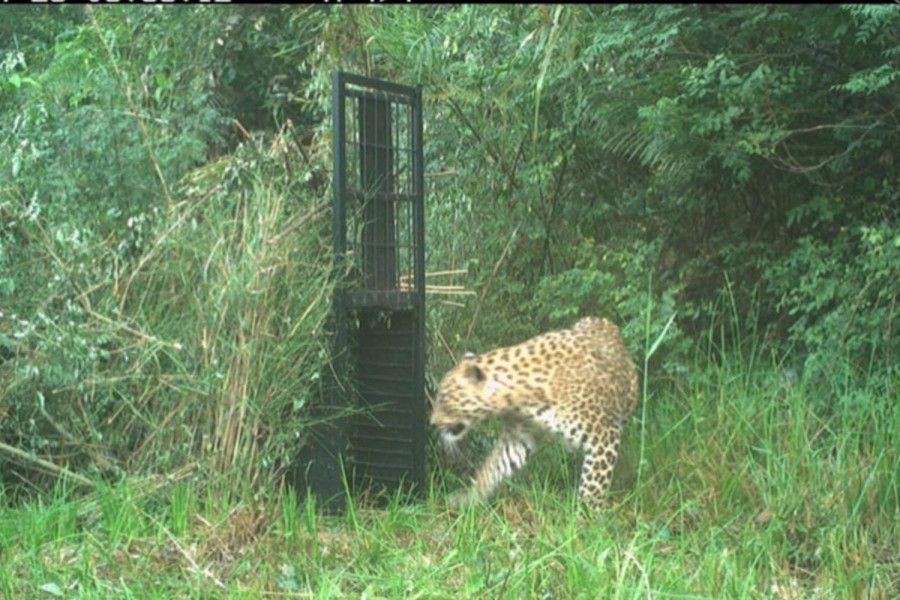
In response to the growing threat, a joint technical team from the Division Forest Office, the National Trust for Nature Conservation and Bardiya National Park captured six leopards identified as problematic animals. Despite those efforts, fear remains widespread in several municipalities, including Gulariya, Rajapur, Madhuwan and Barbardiya, where leopards continue to enter settlements.
Conservation officials say changes in predator dynamics inside protected areas are pushing leopards closer to human habitation.
Bardiya shares a border with India’s Katarniaghat Wildlife Sanctuary, which, along with Bardiya National Park, has seen tiger numbers rise in recent years. As competition and pressure increase within forest habitats, leopards are increasingly moving through community forests and into villages.
Ajit Tumbahamphe, head of the Bardiya Conservation Programme under the National Trust for Nature Conservation, said leopards are attracted to settlements by the easy availability of prey.
“Leopards move into buffer zones and villages to avoid tigers inside the national park,” he said. “They often feed on goats and other livestock kept by villagers. When such prey is unavailable, they may attack people.”
Officials said no comprehensive leopard census has been conducted in Bardiya, leaving the district’s leopard population unknown.




 16.03°C Kathmandu