The festive spirit of Dashain and Tihar may have faded, but celebrations are far from over in the Tarai-Madhesh region. Chhath, one of the region’s most widely observed festivals, is now approaching, bringing families together and setting off preparations across towns and villages.
In Madhesh, Dashain, Tihar and Chhath are traditionally celebrated in quick succession over the course of about a month. After worshipping the goddesses Durga and Laxmi, devotees are now preparing to welcome Chhathi Maiya, the goddess associated with Chhath.
The festival has become a defining part of the region’s religious and cultural life, with a large number of households observing its rituals. Preparations are already under way at Chhath ghats across the Tarai, including in Birgunj, where sites such as Ghadiarwa, Murli and Nagwa draw large crowds.
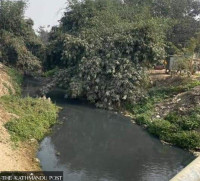
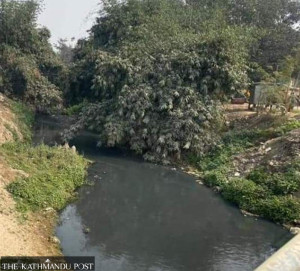
Cleaning and decorating the riverbanks, ponds and other water bodies used for the rituals have begun. Temporary pavilions and elaborate decorations are being put up, with organisers often competing informally to make their respective ghats the most attractive.
The approach of Chhath also brings a wave of people back to their hometowns. Those living elsewhere in Nepal or abroad for work, education and other reasons have begun returning to celebrate with their families.
Beyond its religious significance, the festival provides an occasion for family reunions and gives a seasonal boost to economic activity across Madhesh. Demand is rising for worship items, fruit, bamboo products, new clothes and other household goods needed for the celebrations.
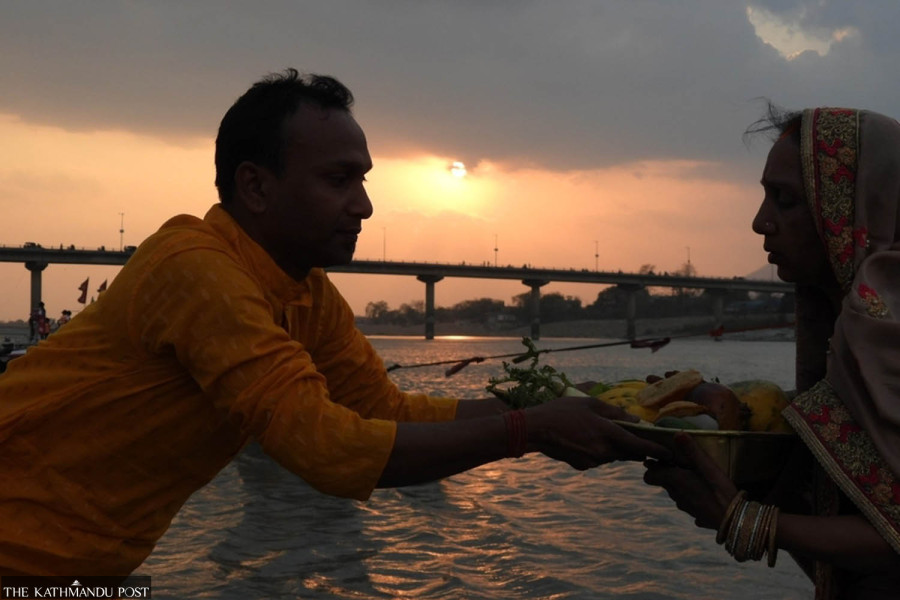
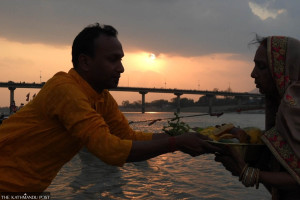
Manju Devi, a devotee from Tejarth Tole in ward 13 of Birgunj Metropolitan City, said this year’s main offerings would be made to the setting sun on Sunday evening and the rising sun on Monday morning. Devotees place coconuts and other offerings in traditional bamboo baskets before presenting them to the sun. The evening ritual is known as ‘Sajhiya Ghat’, while the morning offering is called ‘Bihaniya Ghat’.
The four-day observance begins on Friday with ‘Naha Khaay’, when devotees bathe and eat freshly prepared food, usually including bottle gourd curry. Saturday is ‘Kharna’, when they break their fast with offerings of rice pudding made with milk and jaggery, along with roti or puri.
Devotees then observe a strict fast on Sunday, abstaining from both food and water throughout the day. They offer prayers to the setting sun in the evening and return to the water’s edge early on Monday to make offerings to the rising sun. The morning ritual marks the completion of the main observances.
On both days, devotees and their families gather at decorated ghats beside ponds, rivers, lakes and other water bodies. Dressed in new clothes, family members carry offerings in traditional bamboo baskets, often balanced on their heads, as they make their way to the water. There, devotees offer prayers to the sun at sunset and sunrise.
Many observe the fast in the belief that it fulfils wishes. Some pray for relief from skin diseases, while others seek the blessing of children for themselves or family members. As part of the worship, devotees offer coconuts, ginger, sugarcane and various fruits, along with the essential Chhath sweet thekuwa. The offerings are arranged in bamboo baskets as devotees pay homage to the sun.
Chhath is observed twice a year in the Tarai-Madhesh region, in the months of Kartik and Chaitra. Not everyone observes both festivals. Some devotees fast only during Kartik Chhath, while others observe both. There is also a tradition of celebrating Chaitra Chhath after a vow has been fulfilled.
The festival is rooted in religious faith and is also an expression of family ties, community solidarity and the region’s cultural identity. Although closely associated with Madhesh, its observance has spread beyond the Tarai and is increasingly becoming part of Nepal’s wider cultural landscape.
Social activist Prakash Tharu said Chhath brought together people from different communities and reinforced social harmony. The festival’s reverence for the sun as a central source of life and energy, he said, had helped it gain significance not only in Madhesh but across the country.




 23.38°C Kathmandu