Parsa stakeholders agree on joint efforts to clean up polluted Sirsiya river
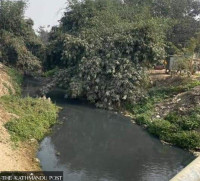
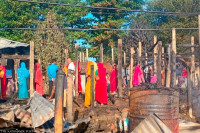
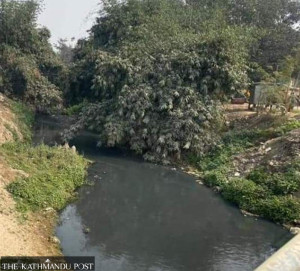
Industries along the Parsa-Bara industrial corridor will be barred from discharging untreated wastewater into the river and required to operate treatment plants around the clock. The Sirsiya river, which runs through the Parsa-Bara industrial corridor, has been contaminated by industrial effluents and other waste for decades. Post file Photo
Political parties, local governments, district authorities and other stakeholders in Parsa have agreed to work together to tackle pollution in the Sirsiya river, which has been contaminated by industrial effluents and other waste for decades.
A meeting on Saturday decided to prohibit industries from discharging untreated, chemically contaminated wastewater into the river and require them to operate their effluent treatment plants round the clock at full capacity.
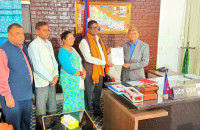
The meeting, chaired by Chief District Officer Bhola Dahal and attended by Birgunj Metropolitan City Mayor Rajeshman Singh, adopted a five-point plan to manage waste and control pollution in the river.
Reviewing previous decisions and efforts to clean up the river, the meeting decided to enforce a complete ban on industries in the Parsa-Bara industrial corridor releasing untreated industrial wastewater into the river. All industries must keep their effluent treatment plants running 24 hours a day at full capacity.
Small and medium-sized industries unable to afford individual treatment facilities will be encouraged to use a common effluent treatment plant. Birgunj Chamber of Commerce & Industrieswill lead efforts to establish the facility with government subsidies. Authorities will identify suitable land and prepare a feasibility study.
The meeting also decided to seek technical assistance from the federal and provincial governments for the river’s long-term restoration.
Birgunj Metropolitan City and neighbouring local governments will begin work on alternative drainage channels to divert municipal sewage and prevent it from flowing directly into the river. A joint Sirsiya River Conservation Fund will also be established, with financial contributions from all three tiers of government.
Ahead of the Chhath festival, the meeting urged industries to take special measures to keep the river clean. Industries have been asked not to discharge waste or other materials into the river during the festival and to release only treated water from their treatment plants.
The participants also agreed to work towards the policy, legal and infrastructure changes, as well as the financial resources, needed to restore the river over the long term.
Among those attending the meeting were Dahal, Birgunj Chamber of Commerce & Industries President Hari Gautam, Santosh Koirala, a mechanical engineer at the Ministry of Industry, Commerce and Supplies, and representatives of industries and political parties.
The Sirsiya River, which runs through the Parsa-Bara industrial corridor, has been polluted for more than four decades. Industries blamed for the contamination have continued to discharge untreated wastewater and ash directly into the river, despite government directives.
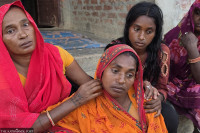
The pollution has affected communities along the riverbanks in both Parsa and Bara, where residents have long complained about contaminated water and the foul smell.
More than two dozen Chhath worship sites have been set up along the river in the two districts, where devotees gather each year to perform rituals. Calls to clean up the river routinely gain momentum ahead of the festival but lose traction once the celebrations end.
The pollution also affects communities downstream in India, where residents face contaminated water and foul odours. People across the border have also been seeking a solution to the problem.




 20.73°C Kathmandu