



 21.12°C Kathmandu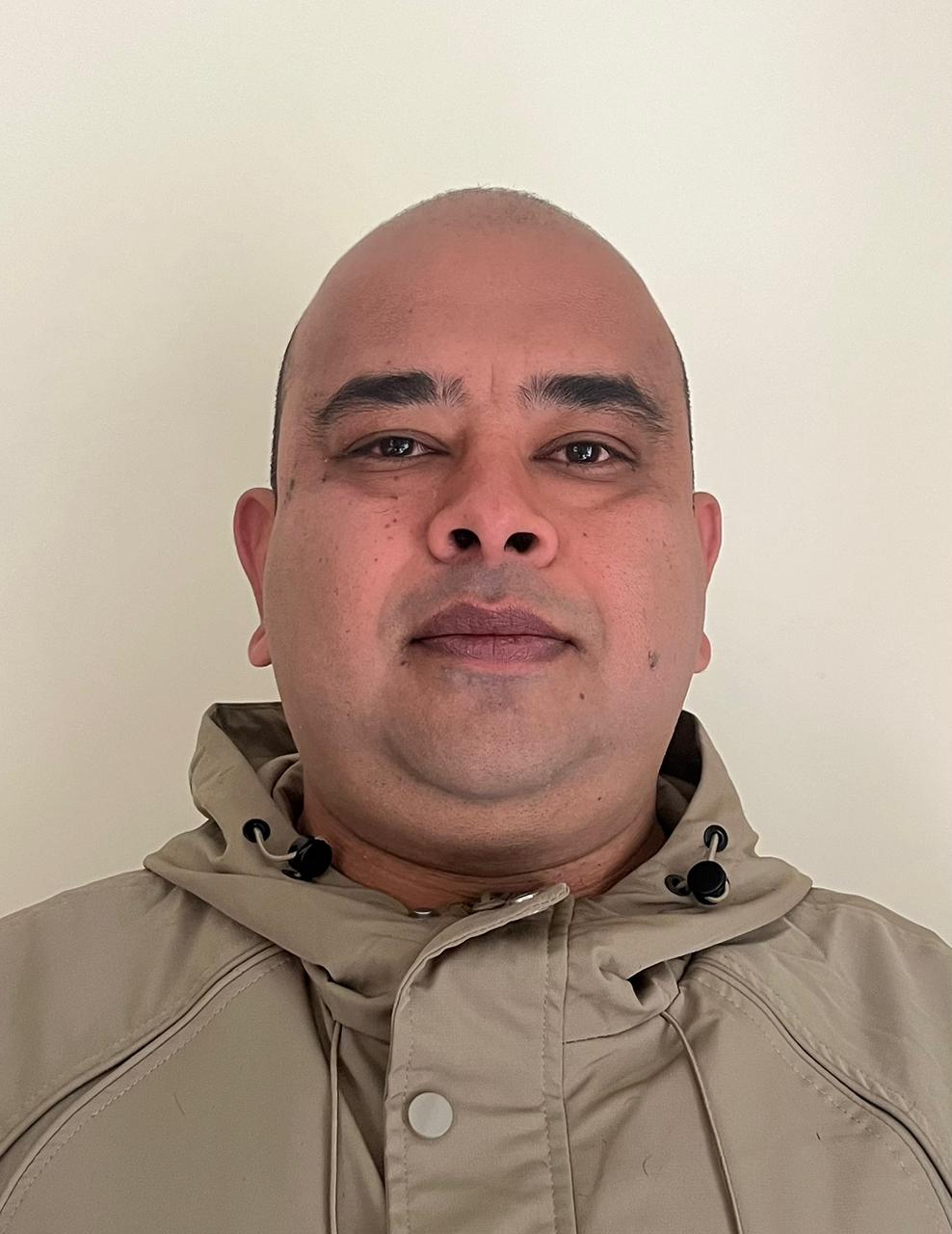

Fri, Aug 21, 2026
Opinion
The promise of freelance
The future of freelancing in Nepal is bright, but we also need to nurture it intentionally.
bookmark
Sailesh Dhungana
Published at : January 27, 2026
Updated at : January 27, 2026 10:36
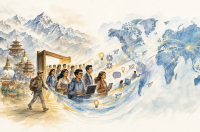
Freelancing has been my path for seven years, and over that time, I have come to understand its profound potential for Nepal. For many young Nepalis, the dream of a better life often feels tied to leaving the country. We see friends and relatives move abroad, and it is easy to believe that opportunity only exists somewhere else. But freelancing offers a different route. Instead of exporting our people, we can export our skills. We can bring global opportunities right here while staying close to our families, our culture and our communities.
When we earn from international clients, we do not just change our own lives. We spend locally, support businesses and create demand for services at home. That money circulates in our economy. It pays for rent, groceries, transportation, education and healthcare. It helps small shops stay open and gives entrepreneurs more customers. On top of that, freelancers who pay taxes contribute directly to the state’s ability to fund roads, schools, hospitals and public services. In a very practical sense, freelancing keeps us rooted in Nepal while expanding our horizons globally. It gives us a way to build a future without feeling forced to leave our country behind.
One major advantage of freelancing is that it reduces dependence on middlemen. In many traditional work structures, there are layers of intermediaries between the worker and the end client. These layers might be agencies, outsourcing firms, or brokers who take a significant share of the value created. Freelancing, when done through direct client relationships, removes many of these layers. It means the person doing the work is more fairly compensated. It means our effort is not diluted by unnecessary cuts. When we deal with clients directly, we not only earn more, but we also gain control. We choose projects, negotiate terms and build long-term relationships that can lead to stable work.
There is also a misunderstanding in Nepal about how much freelancers can actually earn. Sometimes people treat freelancing as a side hustle, or as something unreliable and temporary. Even public discussions about it can underestimate its potential. Gagan Thapa once suggested that freelancers might earn Rs300,000 a month. For many people, that already sounds impressive, especially compared to local salaries. But experience showed me something even bigger. Working in generative AI for a US hedge fund managing $30 billion can land a freelancer Rs2 million in a month. That is not luck or a one-time miracle. It comes from working in a high-value area where global demand is intense. That experience made one thing clear to me: The ceiling is far higher than most people imagine. In the right field, with the right skills, the sky is the limit.
Freelancing also gives individuals exposure they hardly imagine when they first start. Beyond money, it opens doors to a world of learning and professionalism that changes how you think. In my case, I worked under a former MIT professor as my supervisor. That kind of mentorship is hard to find anywhere, and it is almost unheard of for many Nepalis working in strictly local environments. Working with someone at that level forces you to improve. You learn how world-class teams communicate, set standards, solve problems and think long term. You do not just pick up technical skills. You pick up discipline, clarity and confidence.
When you bring that knowledge back to Nepal, it creates a ripple effect. Even one person with global exposure can influence their circle. They can mentor others, start a company, train teams and introduce new ways of working. Global experience can transform local innovation because it raises expectations. It proves what is possible. It shows that Nepali talent can compete at the highest level, not as a favour, but because we genuinely deliver value. That is why freelancing is not only a personal career choice. It is an opportunity for national development.
However, for this potential to reach more people, Nepal needs better infrastructure and smarter policies. The biggest challenge is not talent. The talent exists. The challenge is the environment we build around that talent. Right now, there is still ambiguity in government policies around freelancing. Taxation is one of the clearest examples. Many freelancers face a confusing situation where banks withhold tax but do not report it properly. This creates real problems. People struggle to obtain tax certificates. They struggle to prove compliance. They cannot easily show what they have paid, even when they have paid it. Such a lack of clarity becomes a hurdle, discouraging honest participation.
If the government streamlined tax reporting and made policies clearer, more freelancers could confidently contribute. The goal should not be to intimidate freelancers or treat them as suspicious. It should be to formalise the system in a way that makes compliance easy. When compliance is easy, participation increases. When participation increases, the state’s revenue generation becomes more stable. Everyone benefits. Clear guidelines, consistent reporting and accessible tax documentation would be a strong starting point.
Digital infrastructure is another area that matters. Freelancing depends on connectivity, reliability and professional tools. Faster connections, stable electricity and better access to training can change everything. A person with skill but poor internet is like a runner with a broken shoe. They cannot compete, no matter how talented they are. Nepal has improved over the years, but there is still a gap between what we have and what is needed for a truly competitive digital workforce. Alongside infrastructure, training is essential. People need pathways to learn practical skills that global markets demand. They need guidance on communication, negotiation, project delivery and long-term career growth.
With clearer policies, better infrastructure and a more supportive environment, more Nepalis could follow this path. The future of freelancing in Nepal is bright, but we also need to nurture it intentionally. Growth does not happen automatically. It happens when we remove unnecessary friction and create systems that reward effort and integrity.
Freelancing is not just about individual success. It is about creating an innovative, equitable Nepal where talent stays and thrives. It is about turning brain drain into brain gain and turning global income into local development. If Nepal embraces freelancing as a serious economic engine, we will raise both income and confidence. We will show the world that Nepali talent belongs on the global stage, while still standing firmly on Nepali soil.
Sailesh Dhungana
Dhungana graduated from Princeton University and came back to Nepal in 2015. He has been working remotely for international firms since 2019.
.png&w=200&height=120)


Editor's Picks


E-PAPER | August 21, 2026

Enter The Kathmandu Post
Advertisement

×