Nepali students to organise a first-ever Nepal summit at Harvard University
The two-day conference is focused on discussions around human capital, economic growth, diaspora engagement, and the future of work in the age of AI.Photo: Courtesy of The Nepal Discourse
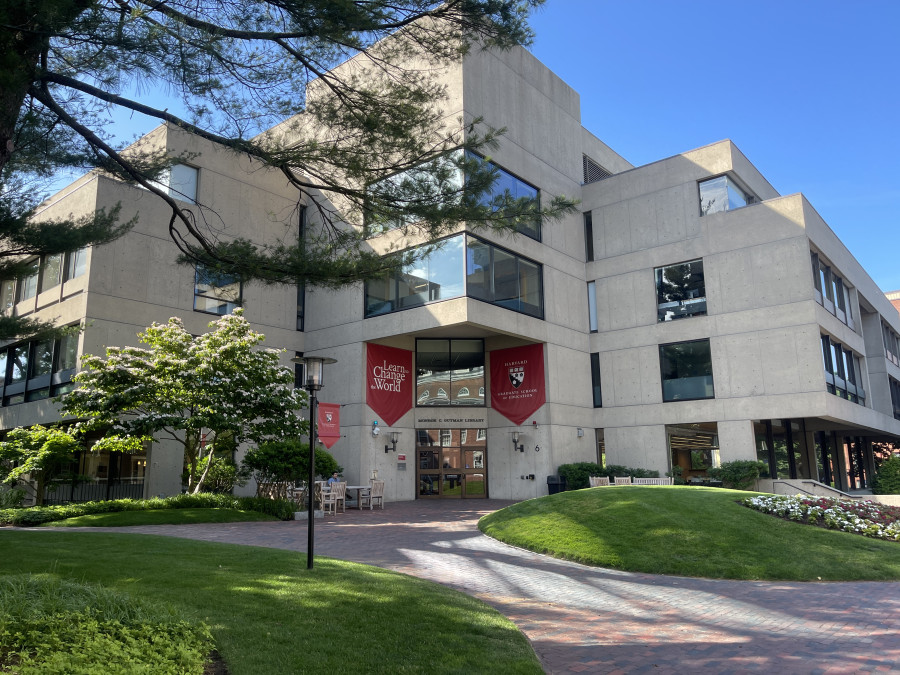
Nepali student organisations at Harvard University and MIT are convening a global conference in Cambridge, Massachusetts on April 25–26, with the support of Leadership Academy Nepal and Kantipur Media Group.
Billed as the first summit of its kind organised by Nepali students at Harvard, The Nepal Discourse 2026 will bring together leaders from across sectors to address what organisers describe as Nepal's most pressing structural challenges and emerging opportunities. The conference is structured around four pillars: artificial intelligence and the future of work, next-generation leadership, resilient institutions, and diaspora engagement.
“This conference is more than a talk shop, it is a historic convening to build real pathways for human capital in Nepal as AI is reshaping our world,” said Salome Bhatta, a graduate of Harvard School of Education, who is among the organising team in the conference.
The two-day programme will feature about a dozen panel discussions and fireside conversations on topics ranging from next-generation leadership to leveraging artificial intelligence for economic leapfrogging to the future of the workforce in the age of AI. Other sessions will examine how Nepal can build a remittance-plus economy, the role of diaspora networks, and how emerging industries can create more jobs and help build a thriving middle class.
“We are really excited to see the key ecosystem leaders from Nepal and diaspora coming together to unpack the challenges in human capital, and jointly develop strategic foresight for the next 10 years,” said Utsav Kharel, currently a graduate student at Harvard University who is co-leading the Nepal Discourse program.
Organisers expect around 400 participants, including approximately 30 speakers and moderators drawn from Nepal and the Nepali diaspora in the United States. Confirmed speakers include Biswas Dhakal, tech entrepreneur and co-founder of F1Soft; Prasanna Dhungel, founder of GrowByData; Sameer Maskey, founder of Fusemachines; David Sislen, the World Bank Division Director for Maldives, Nepal, and Sri Lanka; Peter Blair, professor at Harvard University; and Rahul Agrawal, chairman of Siddhartha Bank. Organisers said they expect participation from members of the current government, though details have not been finalised.
A central goal of the event is the development of a long-term human capital roadmap titled Strategic Foresight 2035, to be produced by a post-conference task force. Organisers say the report will offer actionable pathways for policy, investment, and cross-sector collaboration through 2035.
The conference comes as Nepal navigates significant demographic shifts, evolving global labour markets, and the growing influence of artificial intelligence on economies worldwide. Organisers argue that Nepal risks becoming a passive recipient of these changes rather than a strategic actor, and that convening diaspora talent alongside in-country leadership is essential to reversing that dynamic.
The programme is being organised with support from Leadership Academy Nepal, a Kathmandu-based organisation focused on building adaptive leaders through learning and development, and Kantipur Media Group, whose leadership team is contributing to the ecosystem mapping, speaker outreach and strategic inputs in designing the overall program.
Participation is by invitation only. Those interested in attending can request an invitation through the program’s official website.




 24.34°C Kathmandu