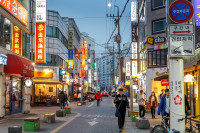
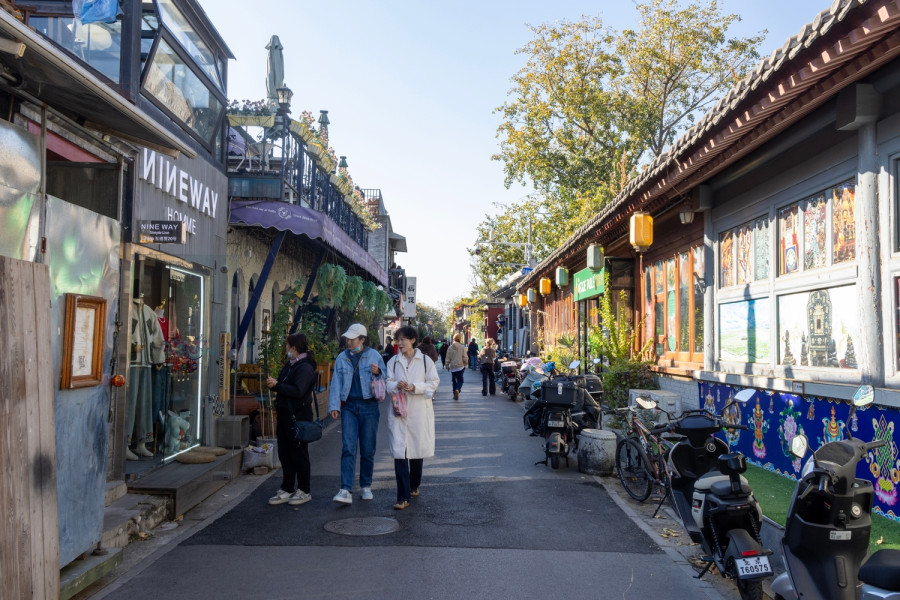
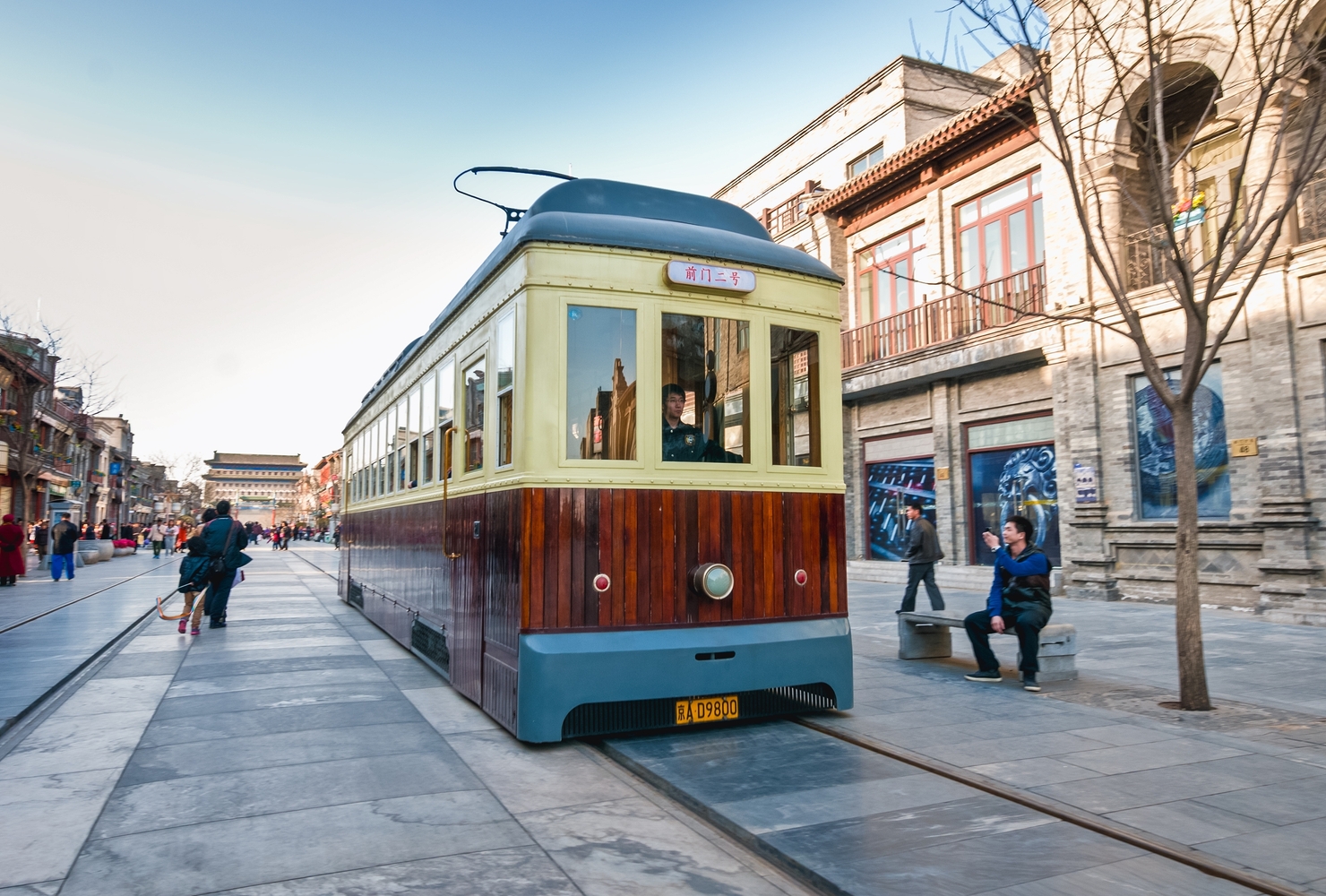
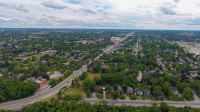
Wudaokou Wudaokou is located in northwest Beijing in Haidian District, between the city’s 4th and 5th Ring Roads, approximately 10 kilometres from Tiananmen Square. The area is well connected to the rest of the city via Wudaokou Station on Subway Line 13, as well as numerous bus routes that run across Haidian District and into central Beijing.
Pros
Wudaokou is surrounded by a dense cluster of major universities, including Tsinghua University, Peking University, and Beijing Language and Culture University.
Cons
The area can be crowded and noisy, particularly on weekdays during the academic year.
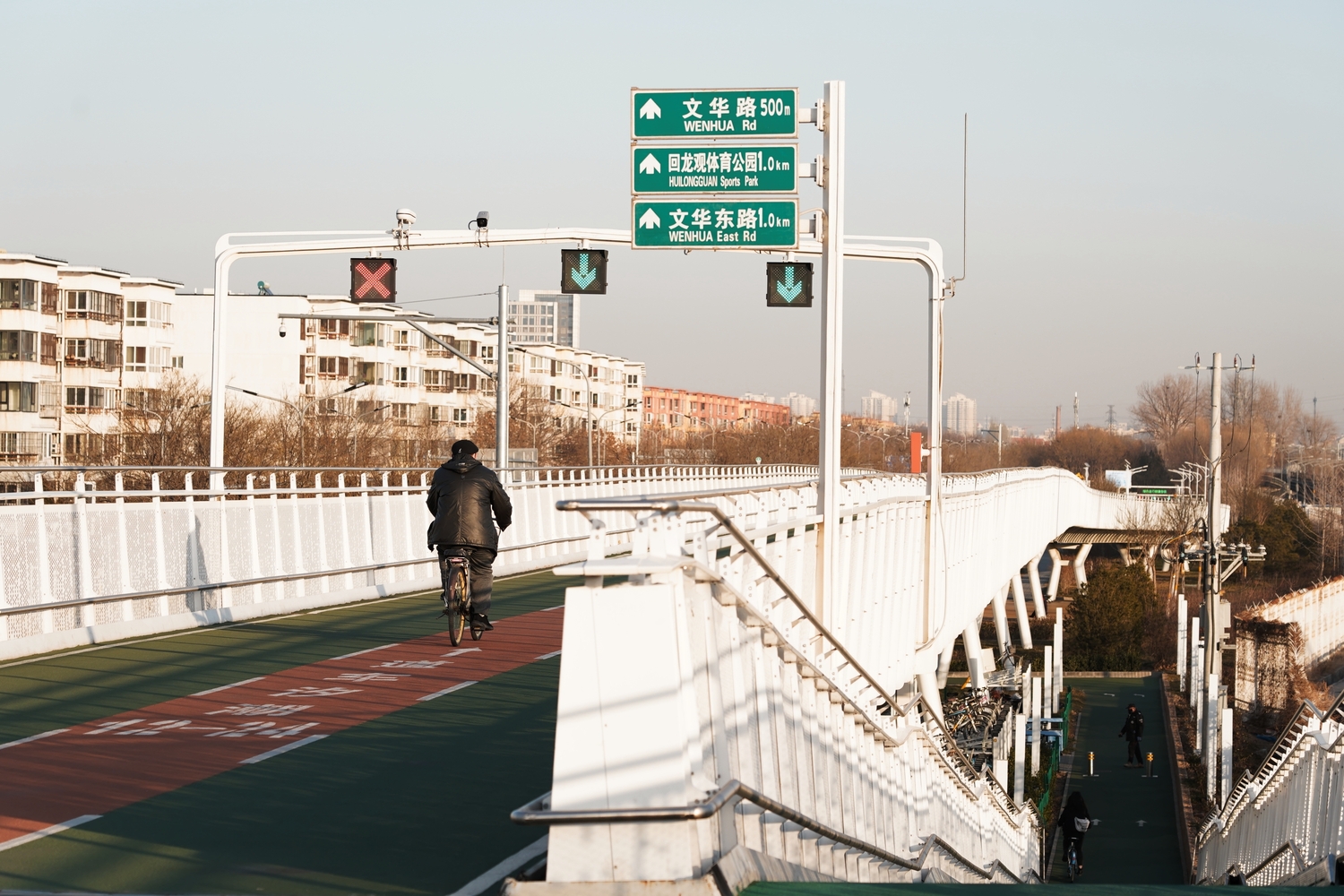
Huilongguan
It is located in Changping District in northern Beijing, outside the 5th Ring Road. The area is connected to the city by Subway Lines 13 and 8, which provide direct access to the Haidian District and major university zones, such as Wudaokou. Because of this connectivity, Huilongguan has become a popular choice for students seeking lower rent.
Shutterstock
Pros
Huilongguan is significantly more affordable than Haidian’s core student areas, especially for shared apartments.
Cons
The main disadvantage is the longer daily commute and the lack of an international student social scene.
Daxing
Also known as the ‘Door to Southern Beijing’, Daxing is located in Southern Beijing and borders Hebei Province. Beijing Daxing International Airport is also located in the area, making flights easily accessible to residents.
Shutterstock
Pros
Daxing has lower apartment rents than those in its neighbouring district, Chaoyang.
Cons
Daxing has fewer student-oriented amenities, such as study cafes and academic events. It also has a much lower university concentration than central Beijing.
Despite rapid development, Daxing still feels far from central Beijing. Daily commutes to major business and cultural hubs can be long and tiring, especially for those working in the city centre.
Tongzhou
Located in the southeast of Beijing, Tongzhou is a district covering about 906 km². It is also known for its extensive green spaces and abundance of nature.
Shutterstock
Pros
Generally, rent is more affordable in Tongzhou for international students than in central Beijing, making it a suitable place to live.
Cons
Students might find commuting long and difficult, as there are not many universities in this part of Beijing.
Sanlitun
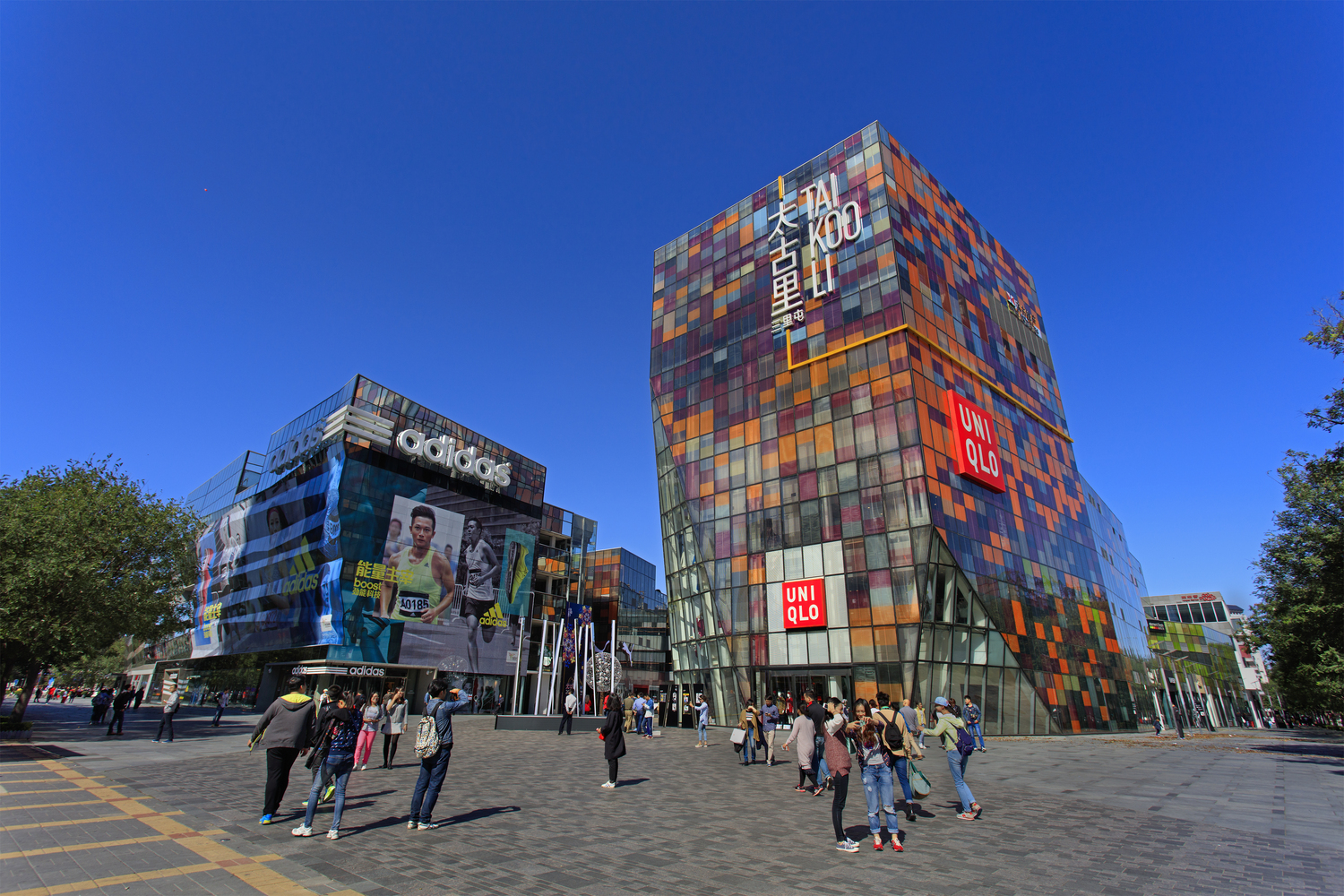
Located in Beijing’s Chaoyang district, Sanlitun is a popular shopping and entertainment district. Especially popular with young people and tourists, it has a vibrant nightlife and international scene. There are a number of multi-cuisine restaurants and malls with different price ranges.
Shutterstock
Pros
Students can expect to find all sorts of products, from homeware to clothing, in this shop-filled area, making Sunlitun a convenient location for everyday necessities.
Cons
Finding cheap materials and food can be difficult for newcomers.
Shuangjing
Shuangjing is located near Beijing East Railway Station. Known for its vibrant residential and commercial areas, Shuangjing offers comfortable, affordable services to international students. Conveniently, the area also offers diverse art scenes showcasing contemporary art and culture.
Pros
Students can access the well-connected subway facility, making the day-to-day transportation easy. Likewise, the area’s residential focus includes affordable, modern apartment complexes well-suited for students.
Cons
The crowding and urban environment of Shuangjing can lead to fewer quiet study spaces for students.
Based on our conversations with the local Nepali students in Beijing.




 28.33°C Kathmandu