From traditional songs to modern celebrations, Tihar is changing with the times and a new generation
Traditional games and rituals are fading, celebrations are taking new forms, and younger Nepalis are questioning long-held social norms while embracing more environmentally conscious ways of marking the festival. Post photo
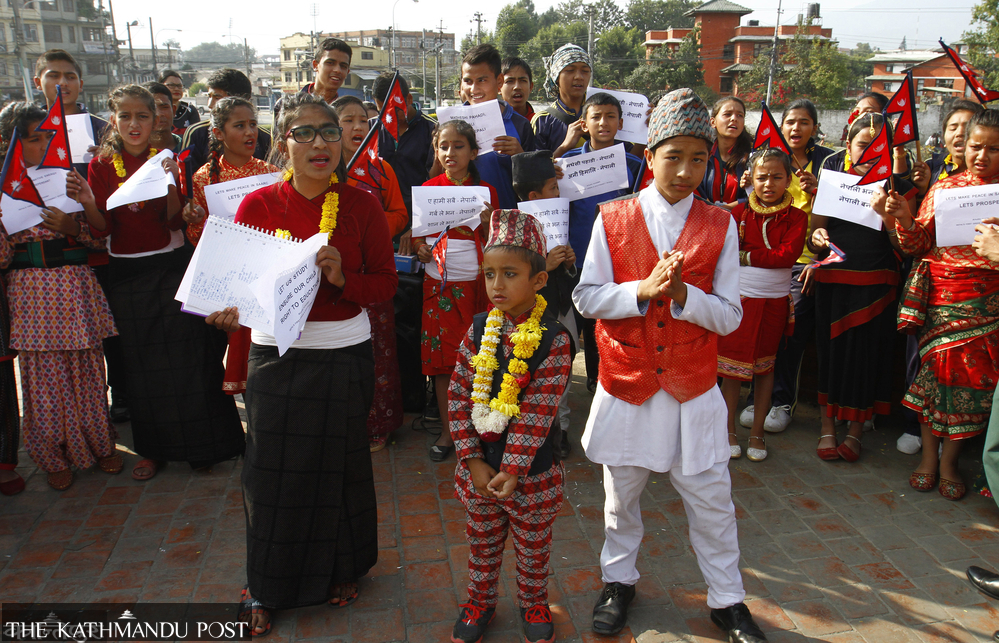
For 28-year-old Rajan Gurung of Pokhara, Tihar instantly evokes the familiar rhythm of Deusi-Bhailo—the traditional musical troupes that go door-to-door during the festival. Having taken part in annual performances through the Ratnachowk Youth Club for the past four years, Gurung observes that the celebrations feel different with each passing year. The festive energy that once saturated villages the moment Dashain concluded—with homes illuminated and communities humming with activity—is now compressed into the brief span of Tihar itself. The music, too, has transformed, with sound systems and electronic drums largely displacing traditional instruments.
Yet, Gurung views these shifts pragmatically. He considers it natural for the mechanics of celebration to adapt to technology and changing times, provided the cultural core remains intact. His group actively bridges the gap by incorporating traditional dances alongside modern instrumentation. “Technology and changing times have altered the instruments and style of Deusi-Bhailo, and participation numbers fluctuate,” Gurung says. “But the essence of the tradition is still alive. Older generations continue to guide us, while younger people bring the enthusiasm needed to keep traditional dances alive.”
In Manmaiju, Kathmandu, however, Sushant Sunar shares a more muted sentiment. Having previously participated in Bhailo rounds, he finds little incentive to join today. “We used to gather with friends and genuinely enjoy ourselves. Now, those friends have moved away, and the spirit has gone with them,” Sunar says. “There is no one left, and I don't even have a group to go with this year.”
Cultural scholar Govinda Tandon acknowledges this structural erosion. In earlier decades, communities composed original verses and melodies, turning the rounds into both creative entertainment and a vital social anchor for neighbours. Today, recorded playback dominates. “People used to compose their own verses and travel from village to village,” Tandon notes. “Now, they play recorded modern songs and dance to them. That is not our traditional way of celebrating.”
These musical shifts are emblematic of a broader metamorphosis reshaping Tihar—from how homes are decorated to how children spend their holidays. In the past, preparing for Laxmi Puja involved scouring local hillsides for white clay (kamero) and red earth (rato mato) to plaster and brighten mud-and-stone dwellings. The proliferation of modern concrete architecture has rendered the practice obsolete. “People now look for convenience and simply buy paint in buckets,” Tandon explains.
Leisure activities have undergone an equally stark digital migration. Traditional pastimes like kite-flying and dandi-biyo—a stick-and-ball game played in village groups—have yielded to mobile phones and digital screens. “Once people become absorbed in their devices, traditional games naturally fade away,” Tandon observes.
The agrarian underpinnings of the festival are also shifting. Tihar’s reverence for cows and oxen was born of absolute necessity in a subsistence farming economy; oxen ploughed the fields, while cattle manure fertilized the soil. Mechanisation and modern agricultural technology have minimized that reliance. “Farming could not function without oxen in the past,” Tandon says. “Today, machinery has replaced them, and cows are increasingly kept purely as milk-producing units rather than grazed in open pastures.”
Yet, as local traditions contract, Tihar’s geographic footprint is expanding exponentially. Once confined largely to Nepal and pockets of India, the festival now travels wherever the global Nepali diaspora settles for education or employment. “In the past, the festival was localized,” Tandon notes. “Now, with Nepalis scattered across the globe, new traditions are emerging. Tihar is being celebrated in some form in almost every corner of the world.”
Tandon argues that culture cannot remain static. As people prioritize convenience, older practices inevitably give way to new ones—a shift he believes should not be misread as the death of a culture.
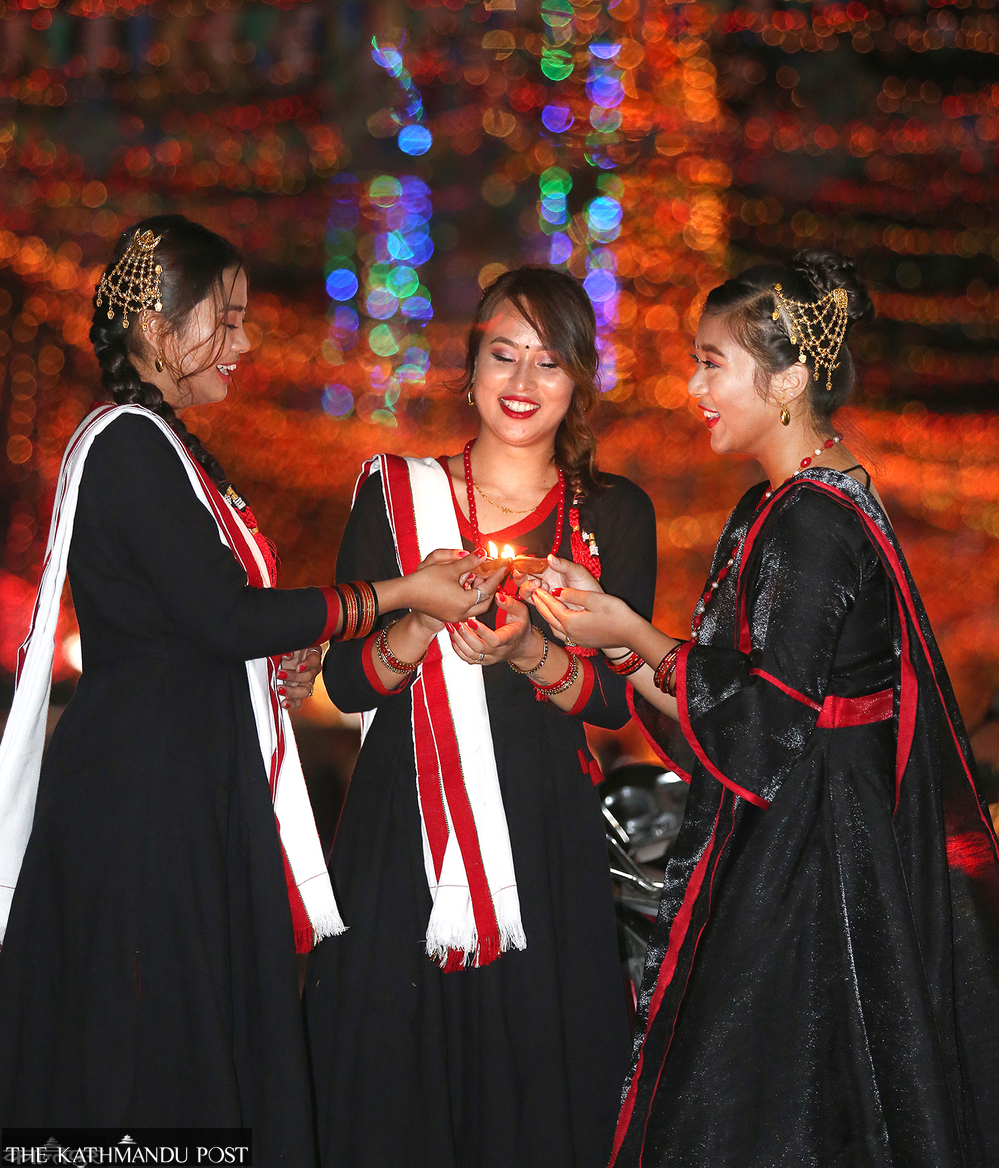
This evolution extends to consumer choices as well. Synthetic plastics and decorative electric lights are increasingly giving way to eco-friendly alternatives and authentic Nepali handicrafts. For the younger generation, Tihar is becoming a platform for social and environmental reflection. The Gen Z demographic, which vocally challenged discriminatory practices during Dashain, is turning a critical eye toward Tihar as well—challenging structural inequalities, class divides, and social pressures long masked as "tradition."
“In the name of tradition, we have normalised exploitation, unrealistic expectations, and the pressure to celebrate,” says activist Priya Sigdel. “In that process, questions of class, caste, and oppression are often sidelined. Even as we celebrate Tihar, we must question the inequalities hidden within its customs.”
Sigdel points out that changing festive habits are deeply tied to rising ecological consciousness. Where plastic decorations were once consumed indiscriminately, a conscious preference for sustainable materials and artisan-crafted gifts is taking root. “Tihar is transforming into a celebration that looks out for the well-being of both people and the environment,” she says.




 19.87°C Kathmandu