Major highways damaged by floods and landslides are reopening, easing travel and daily life ahead of Dashain.Vehicles move towards their destinations after being stranded in Kathmandu and Chitwan for four days due to one-way traffic on the Prithvi Highway at Fisling in Chitwan on Wednesday. Nepal Photo Library
Roads and bridges damaged by floods and landslides triggered by days of heavy rain are gradually reopening, easing disruption to daily life across the country.
The busy Prithvi and BP highways, which were closed after recent torrential rain, have now resumed two-way traffic.
At Krishnabhir along the Prithvi Highway, the road subsided on August 30 after the Trishuli River eroded its base, four days after the Bhotekoshi flood. A new track was opened higher up the slope and brought into operation within 18 days. Because the area remained vulnerable to landslides, authorities had restricted traffic during periods of heavy rain.
“There are no problems at the moment, and vehicles are moving normally,” said Shuvaraj Neupane, deputy director general and spokesperson for the Department of Roads.
Road links between Lamjung and Manang and between Myagdi and Mustang, however, remain cut off.
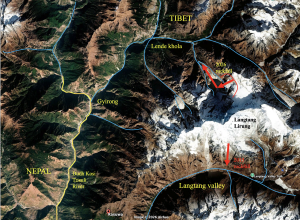
At Maldhunga, the approach road to a concrete bridge over the Kaligandaki river linking Baglung and Parbat was washed away, severing the direct road connection between the two districts. Similarly, the Bhotekoshi flood washed away roads and bridges, leaving Rasuwa and Nuwakot without a direct road link.
“The main problems are currently on the road and bridge connecting Manang and Mustang. Alternative routes in Baglung are operating,” Neupane said. “Traffic will be able to move smoothly along all the affected highways by Friday. If there is no more rain until Dashain, there should be no problems.”
Around 15,000 vehicles, including buses, trucks and smaller vehicles, travel daily between Nagdhunga and Mugling. Traffic volume is expected to more than triple during the festive season, according to the Department of Roads.
Two-way traffic resumed on the BP Highway to the eastern Tarai on Tuesday. Traffic had been halted after floods on Friday washed away temporary diversions at several points.
“There are no problems at present, and vehicles are moving smoothly in both directions,” said Suman Yogesh, chief of the Road Division Office in Bhaktapur.
At the badly affected Chaukidanda section, authorities have opened a track along the alignment of the permanent road under construction and are using it for traffic.
“We tried to run vehicles through a diversion, but that was not possible, so construction work has been halted there for a few days,” Yogesh said. “Once the water level in the stream falls, we will build a temporary diversion and resume traffic.”
Yogesh said the highway was being prepared for Dashain. If workers stayed on site during the festival, construction of the permanent road would continue, while vehicles would use a temporary diversion across the stream.
If traffic becomes too heavy, vehicles will be diverted to the new track, he said.
Yogesh said vehicles could reach Nepalthok from Bhakunde in about 90 minutes if there is no traffic congestion.
Floods washed away temporary diversions at Mamti, Piple, Daunne-Kalopul, Charsayabesi, Katunje and Chaukidanda along the highway.
Construction has also stalled on a 3.2-kilometre section between Piple and Barkhekhola, which is being built with support from the Japan International Cooperation Agency (JICA). A temporary diversion is currently the only option for keeping traffic moving there.
The highway normally carries around 4,000 to 5,000 vehicles a day. With traffic expected to rise to 9,000 to 10,000 vehicles during Dashain, the Bhaktapur Road Division Office is preparing to use a new track to keep traffic flowing.
Most sections of the Nagdhunga-Mugling road are now carrying two-way traffic, except for a few stretches, said Suresh Paudel, a senior divisional engineer at the Development Cooperation Implementation Division.
Several sections along the route remain vulnerable to landslides, including Shitalbazar, Gomti Khola, Krishnabhir, Jyamireghat, Chaukibhir, the stretch from Hugdi Khola to Jawang Khola, Fisling, Chumlingtar, Chalise, Dharapani, Ghoptebhir and Simaldhara.
Traffic has been disrupted at various points by road subsidence and landslides.
“We are working to improve traffic flow along the three sections where vehicles are currently restricted to one-way movement,” Paudel said. “We are also addressing muddy sections. Work to make the roads safer and more accessible for the festive-season traffic will begin within a few days.”
Traffic is also operating normally along the Kanti Highway, according to the Department of Roads.
Meanwhile, work is underway to open a new track along a cliff at the Uttargaya Public School section of the Nuwakot-Rasuwa road, said Krishna Nath Ojha, chief of the Galchhi-Trishuli-Mailung-Syaphrubesi-Rasuwagadhi Road Project in Bidur.
“Once we open the track through the cliff, vehicles will be able to reach the Phalaku Khola section, reconnecting Rasuwa and Nuwakot,” Ojha said. “We expect to open the track through the cliff by Friday, allowing vehicles to reach Betrawati.”
Once the road opens, materials needed to install a 73-metre Bailey bridge over the Phalaku river will be transported along the route, he said.
“A team responsible for installing the Bailey bridge is heading to Syaphrubesi on Thursday, and work to open the road track up to the bridge installation site will begin the same day,” Ojha said.
A 76-metre Bailey bridge will also be installed over the Bhotekoshi river, after which Syaphrubesi bazar will regain road connectivity, he said.
The road to the Rasuwagadhi border crossing remains difficult, however, and reopening the route fully will take more time, Ojha said.




 13.58°C Kathmandu