Nepal Prime Minister: Bhotekoshi flood was one of region’s largest disasters
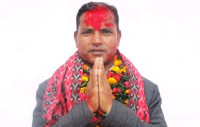
The incident indicates that the risks Nepal face in the Himalayan region are increasing alongside climate change. Prime Minister Balendra Shah taking account of the loss and damage caused by the flood after an on-site inspection of flood-affected areas in Bidur and surrounding regions of Nuwakot on August 27. Photo: Courtesy of Prime Minisster's Office
As the search for survivors continues for the seventh day, with rescuers spending days and nights digging through rivers and hydropower project tunnels to find bodies and missing people, Prime Minister Balendra Shah updated the public on the rescue efforts and the government's response in a Facebook post on Monday morning.
Here is an excerpt translated:
By the sixth day since the flood struck the Bhotekoshi River in Rasuwa, the Nepal government remains firmly and actively engaged in search, rescue, medical treatment, relief and the safe management of affected citizens.
The role played by all security personnel, civil servants, media representatives, officials of various agencies, volunteer organisations and members of the public deployed in the affected areas—many of whom have worked without regard for their own safety—is highly commendable and deserves appreciation. We express our sincere gratitude for the patience, support, cooperation and coordination shown during this period.
The support and assistance provided by provincial and local governments to the federal government in disaster management have been extremely important. Likewise, the goodwill and assistance demonstrated by friendly countries, domestic and international organisations, the media and all other stakeholders have been exemplary.
Relief management
The government remains focused on search and rescue operations in the affected areas. At the same time, collecting and distributing relief supplies to affected citizens remains a priority.
Relief materials received from organisations and members of the public in Kathmandu and other parts of the country are being collected and delivered to affected citizens. The international community is also assisting in this effort. So far, support has been received from friendly countries including India, China, the United States, the United Arab Emirates, Qatar, Japan, Switzerland and Australia.
Our security personnel have been transporting relief supplies by air and road through four collection centres in the affected areas of Rasuwa, Nuwakot and Dhading and distributing them through 27 distribution centres in Rasuwa and Nuwakot. Relief has so far reached 3,696 affected citizens.
Provincial and local governments are also actively involved in managing shelter and relief at these centres in coordination with the federal government. The National Disaster Risk Reduction and Management Authority has been providing regular updates on relief collection and distribution.
To assess how effectively relief is being collected and distributed, members of our secretariat and government employees have also been deployed directly to the affected areas.
Financial assistance
The Government of Nepal is raising financial assistance for victims through the Prime Minister's Disaster Relief Fund and the Prime Minister's Fund, with contributions continuing to increase.
The Office of the Prime Minister and Council of Ministers has operated a "Rescue Request Portal" and is publicly disclosing details of funds received from Nepal and abroad through these funds in a transparent manner.
As of noon today, Rs5.87 billion had been deposited into accounts at nine commercial banks under the Prime Minister's Relief Fund. Similarly, $3.19 million had been deposited in accounts at Himalayan Bank and Laxmi Bank.
Several countries and organisations have also pledged financial assistance.
Road network
The road network has been restored to areas across the Trishuli River in Nuwakot that were cut off by the floods.
A road along the right bank of the Trishuli River under the Galchhi–Trishuli Highway has been reopened, passing through Kalleritar, Koshikhola, Piplatar, Darshantar, Chhatrekhola and Gauribesi before reaching Trishuli Bazaar.
A direct road connection has once again been established between the district headquarters and a large number of residents living across the Trishuli River in Nuwakot. This will make search and rescue, distribution of relief supplies and the delivery of essential goods to affected areas easier.
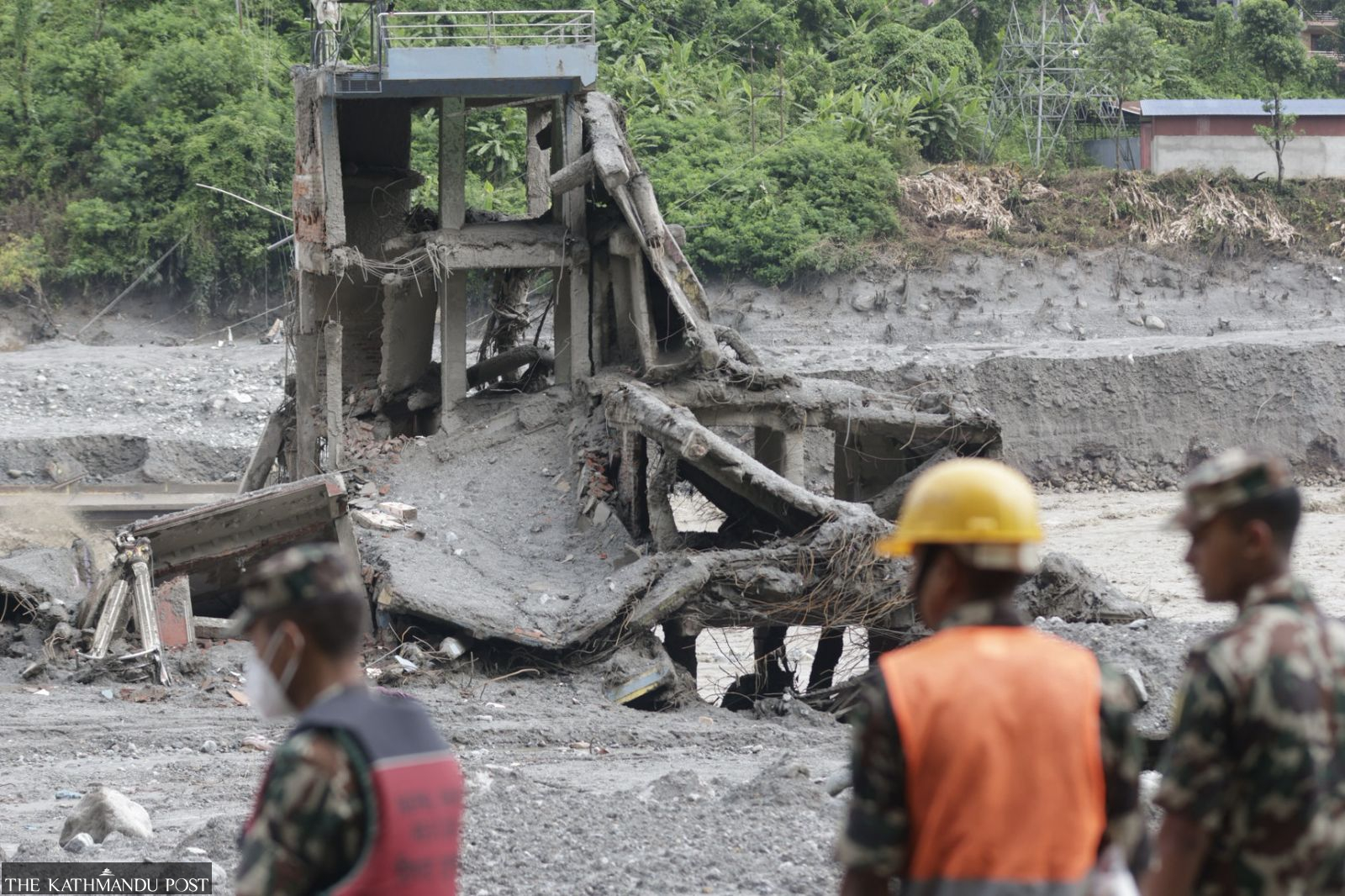
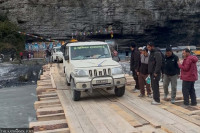
Most bridges between Rasuwa, Nuwakot and Dhading have been destroyed, affecting transportation. The government has therefore prioritised the construction of temporary bridges in these areas.
We have six Bailey bridges measuring 48 meters in length and one measuring 70 meters. Studies have been completed for installing Bailey bridges at three locations: the Tadi River at Devighat, Trishuli Bazaar and Betrawati Bazaar.
The Indian government has also provided a 230-foot single-lane modular steel bridge and has pledged to send seven additional Bailey bridges. In addition, China is expected to provide 30 Bailey bridges soon.
Rescue and treatment
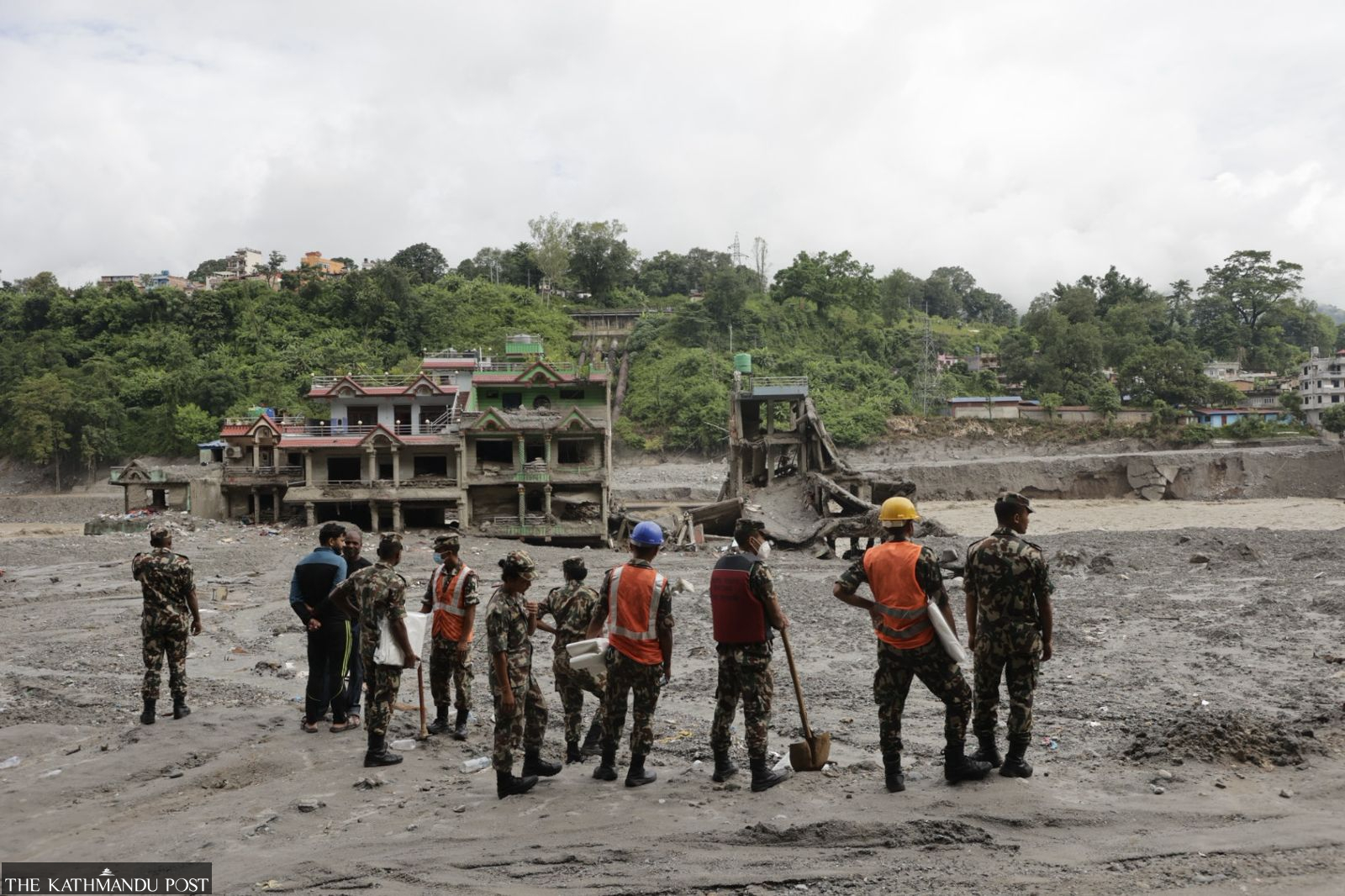
We have intensified rescue operations in the flood-affected areas. So far, 11,379 people have been rescued, while 3,925 people remain unaccounted for. The number of people reported missing continues to fluctuate.
Of the 279 injured citizens rescued from the affected areas and admitted to various hospitals, 168 had been discharged a short while ago.
Continuous briefings
We are receiving regular updates from security agencies on operations and the current situation in the flood-affected areas.
Today, we also received detailed briefings from the chiefs of the Nepali Army, Nepal Police and Armed Police Force, Nepal, on search, rescue, treatment, relief and rehabilitation. They briefed us on the search, rescue, relief and management efforts carried out so far.
We are also receiving regular information from Cabinet members, federal lawmakers and other colleagues deployed in the affected areas. This process will continue.
Electricity and communication services
Efforts to restore electricity services disrupted in the affected areas are continuing.
In Rasuwa district, electricity has been restored to around 30 percent of households, including in Kalikasthan, parts of Naukunda, parts of Wards 5 and 6 of Gosainkunda Rural Municipality, and the district headquarters, Dhunche.
Preparations are also underway to supply electricity through a separate system from the Sanjen Hydropower Project to some parts of Amachhodingmo Rural Municipality.
A total of 500 portable solar systems have been sent to the remaining parts of the district to provide household electricity through solar power.
Electricity services across Nuwakot were affected by the floods, but power has now been restored in 85 percent of the district. Work is underway to restore electricity to the remaining 15 percent within the next five days.
Efforts are underway to restore power to some areas of Wards 1, 3, 5, 6, 10 and 11 of Bidur Municipality; parts of all six wards of Tarkeshwar Rural Municipality; Wards 7 and 8 of Belkotgadhi Municipality; and Kispang Rural Municipality.
In Dhading, areas on both sides of the Prithvi Highway, including Gajuri, Adamghat, Malekhu, Jahare and Mauwakhola, were affected. Electricity has now been restored to 98 percent of the district, except for some areas of Adamghat.
Work is underway to restore electricity throughout the district within the next two days.
Communication services have also been restored in most areas. Of Nepal Telecom's 120 BTS stations, 110 have resumed services, while 75 of Ncell's 78 towers are operational.
Rescue from affected hydropower projects
Several hydropower projects have been affected by the floods, and there are concerns that personnel working at some projects remain unaccounted for.
The Nepali Army has so far rescued 279 people from various hydropower projects and continues search and rescue operations inside project tunnels.
A Nepali Army team rescued two people from the Rasuwa Gadhi Hydropower Project. A joint team of the Chinese and Nepali armies searched deep inside the tunnel. After finding no one inside, the rescue team withdrew.
At the Langtang Khola and Chilime hydropower projects in Rasuwa, a Nepali Army team, an Indian rescue team and several Nepali personnel have been working since this morning to open the entrances to the tunnels.
The Nepali Army has rescued nine people from the Mailung Khola Hydropower Project.
A total of 254 people have been rescued from the Upper Trishuli-1 Hydropower Project. Search and rescue efforts inside the project's tunnel are continuing, with Nepali Army, Korean and Chinese teams involved.
At the Upper Trishuli-3A Hydropower Project in Nuwakot, a team of 90 personnel from the Nepali Army, Armed Police Force and Nepal Police is conducting search and rescue operations inside the tunnel. A team from the Nepal Electricity Authority is also assisting.
The Nepali Army has rescued two people from the Upper Trishuli-3B Hydropower Project area. An additional nine army personnel have been deployed, bringing the total number involved in search and rescue operations there to 31.
The Nepali Army began its search and rescue operation after a Chinese rescue team conducted a reconnaissance of the site.
Three people have been rescued from the Trishuli Hydropower Project in Nuwakot. Four people have been rescued from the solar power project and another four from the Devighat Hydropower Project.
Management of bodies
The bodies of people who died in the floods and whose identities cannot be established are being managed through scientific procedures in accordance with the law.
They are being handled under the "Unidentified and Unclaimed Bodies Management (First Amendment) Directive, 2026."
The government is managing only those bodies whose identities cannot be established, while preserving DNA and other evidence that could assist in identification.
So far, 939 bodies have been recovered. The Nepali Army, Nepal Police and Armed Police Force are assisting in their management. Identified bodies are being handed over to their families.
A major disaster in the Himalayan region
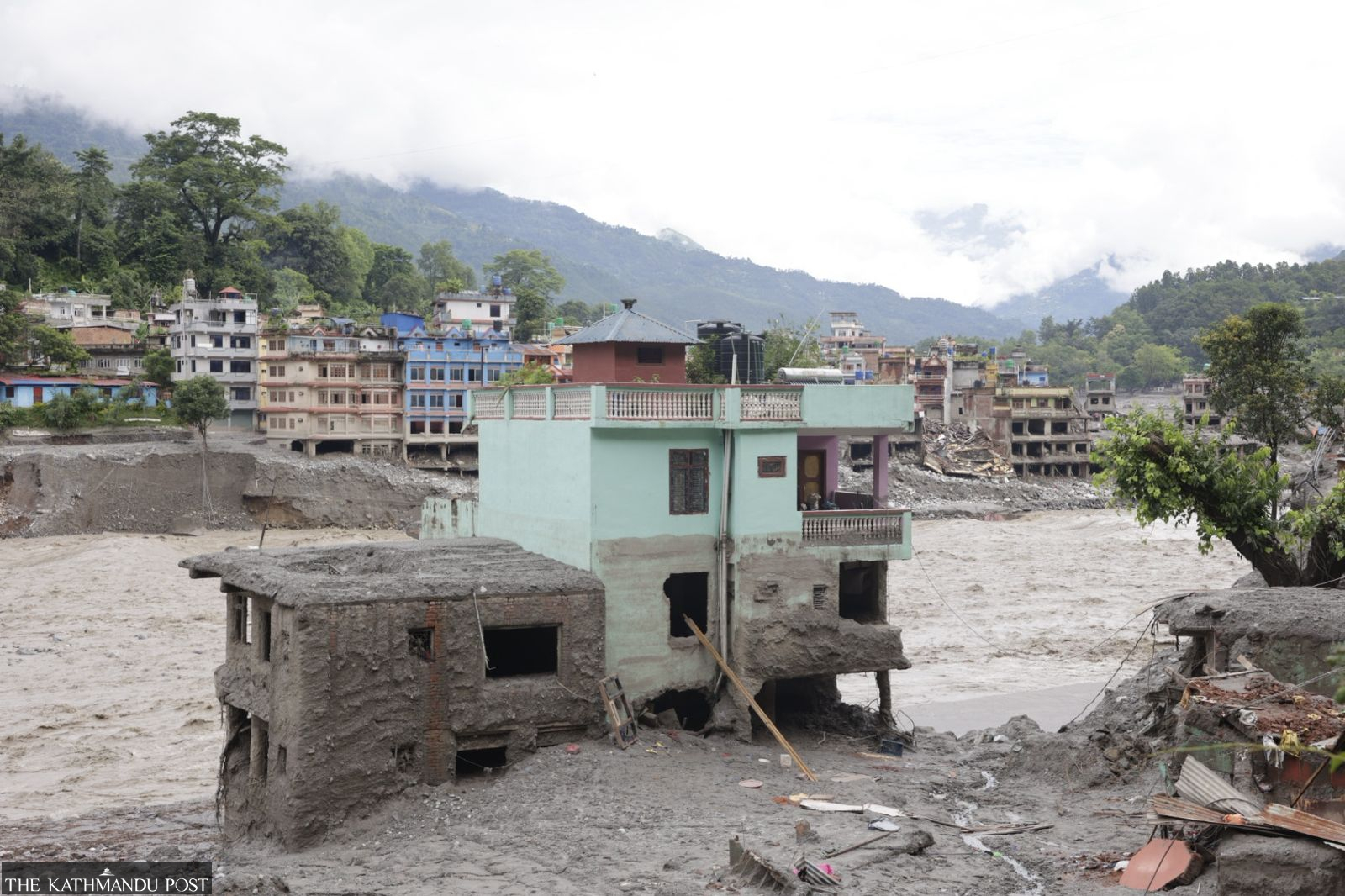
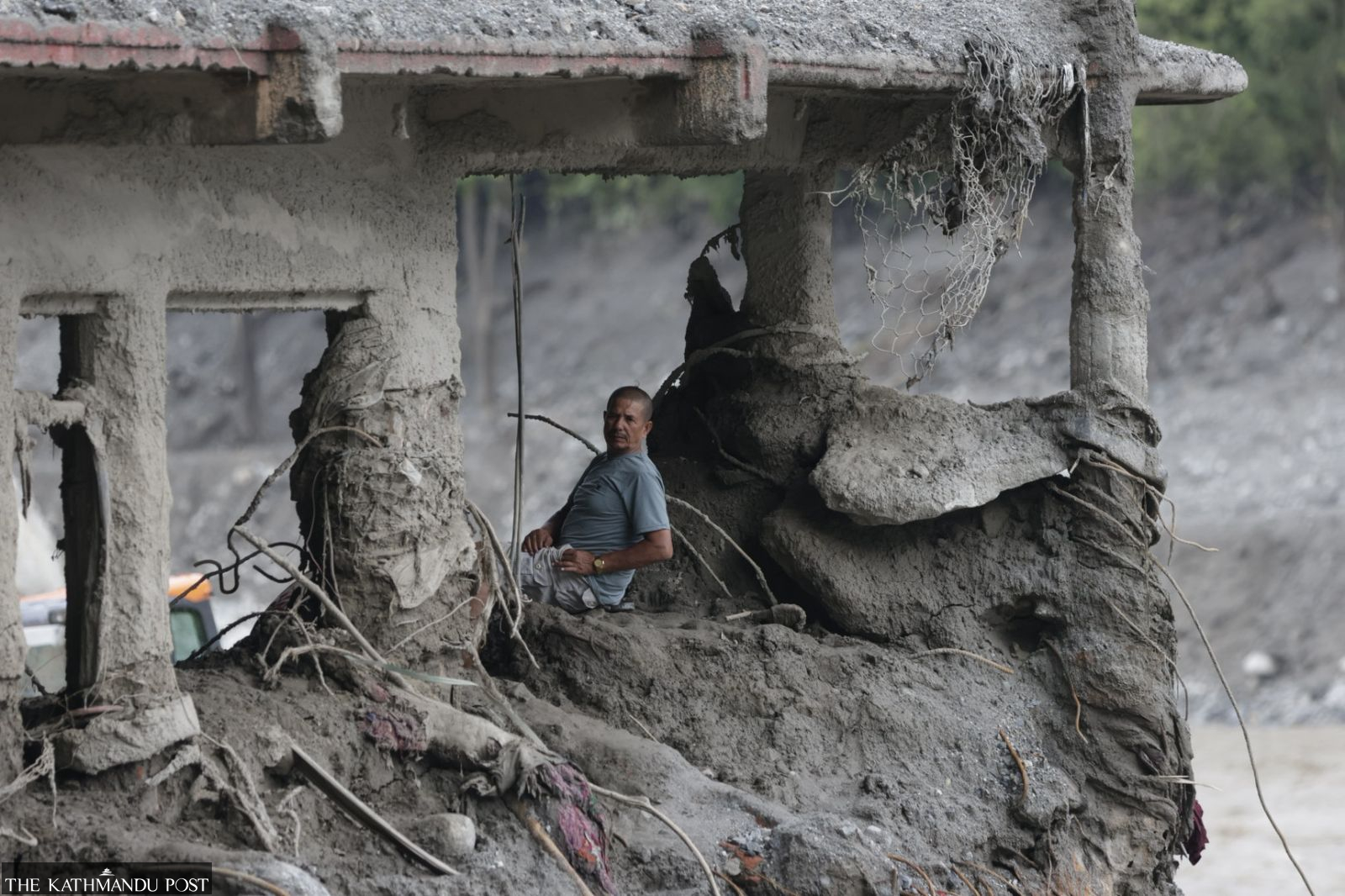
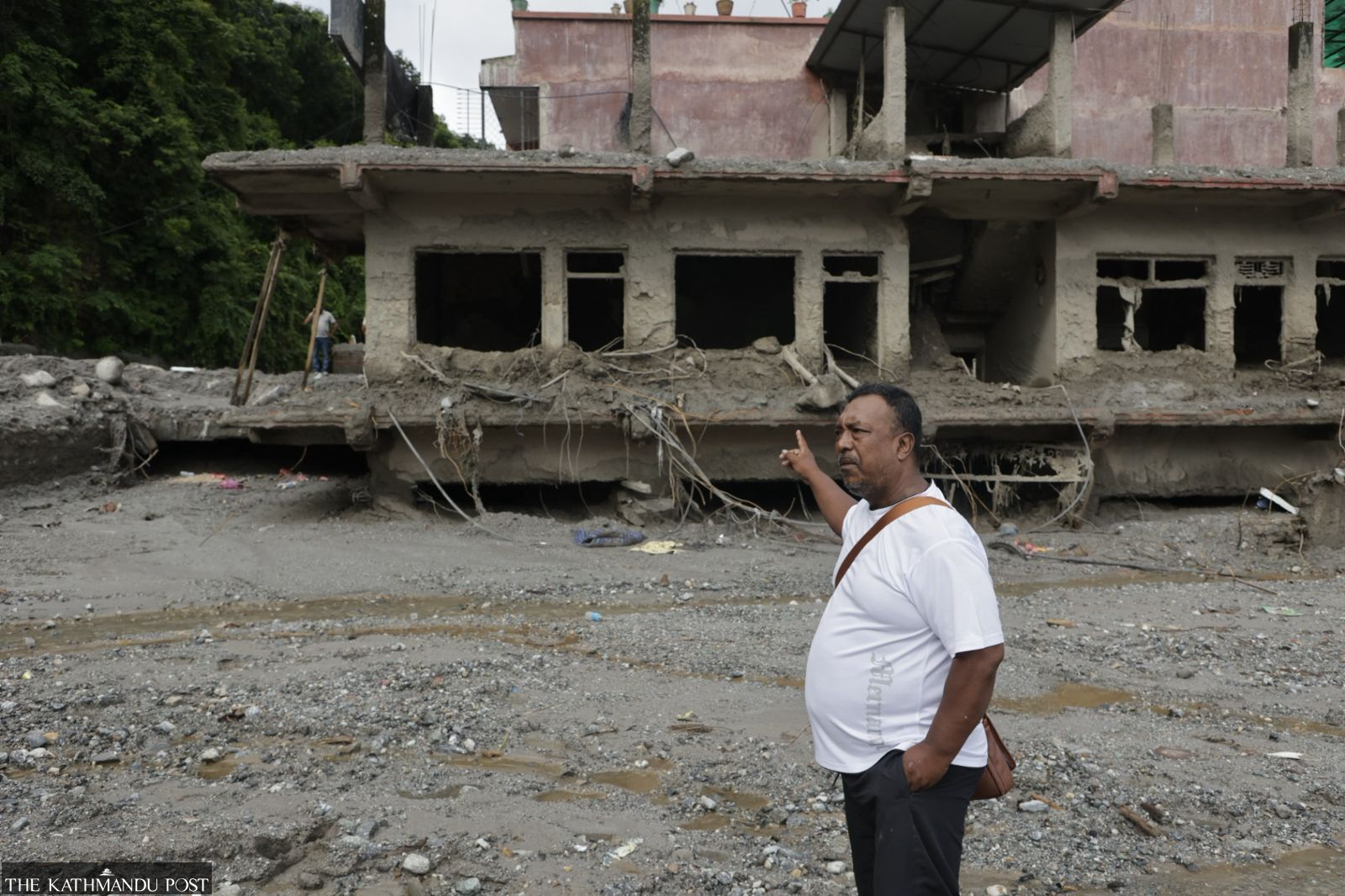
The flood in the Bhote Koshi River in Rasuwa was not an ordinary flood. It was one of the region's largest disasters, triggered by an avalanche of snow and rock in the Himalayan region.
The incident indicates that the risks we face in the Himalayan region are increasing alongside climate change.
The region must therefore remain vigilant. At the same time, this is the time to strongly raise with the international community the issue of disasters Nepal is experiencing as a result of climate change.
Rehabilitation
Alongside search and rescue operations in the affected areas, the government has begun discussions on how to rehabilitate affected citizens.
In coordination with local governments, the collection of data on the number of affected people and the extent of physical damage has already begun.
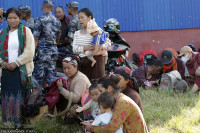
Thousands of citizens have lost their homes, families, loved ones and property. The government understands the suffering they have endured.
The next step is to help heal their wounds and restore them to normal life through rehabilitation. The government will work to rehabilitate them by strengthening them both mentally and physically.
Efforts are continuing to mobilise the financial resources required for rehabilitation.
Sangam Prasain is Business Editor at The Kathmandu Post, covering tourism, agriculture, mountaineering, aviation, infrastructure and other economic affairs. He joined The Kathmandu Post in October 2009.




 20.39°C Kathmandu