Humla sends severely malnourished children to Jumla for treatment
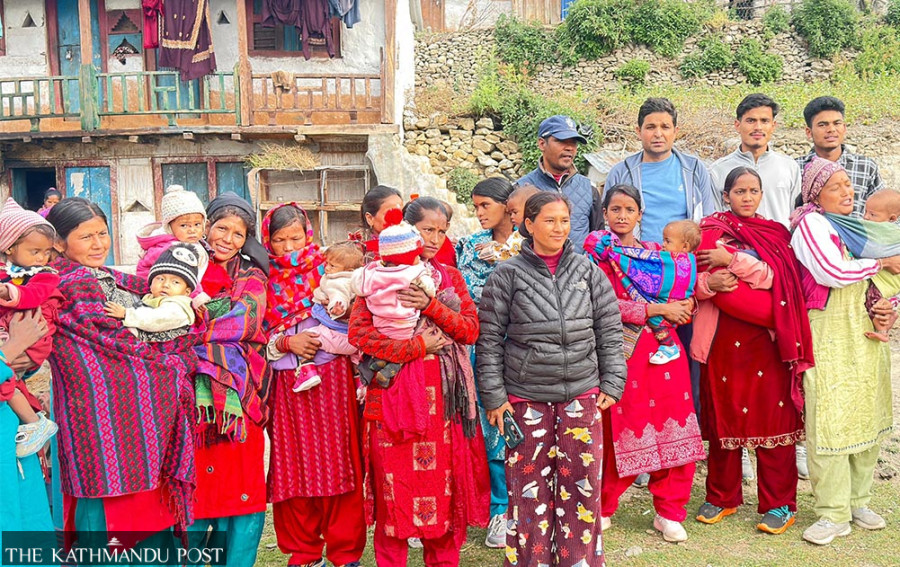
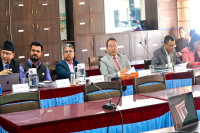
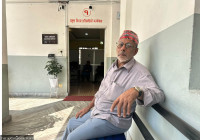
The cases were found during the ongoing nationwide nutrition survey. Assessment across wards 1 to 5 of the Tanjakot Rural Municipality found serious malnutrition among children under the age of five. DB Budha/TKP
Eleven severely malnourished children from Humla have been brought to Jumla for medical treatment as no specialised nutrition care was available in their home district.
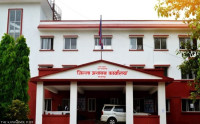
The health section of Tanjakot Rural Municipality referred the acutely malnourished children to the Karnali Academy of Health Sciences (KAHS) Teaching Hospital in Jumla after identifying severe cases during the ongoing national nutrition assessment campaign.
The two-week campaign, launched in all 753 local units on April 29, aims to assess the nutritional status of children aged six months to five years across the country and guide targeted interventions, amid growing concern over poor diets, including rising consumption of processed and junk foods in both remote and urban areas.
Assessment across wards 1 to 5 of the rural municipality found serious malnutrition among children under the age of five. Following this, 11 children along with their motherswere sent to the Nutrition Rehabilitation Centre at KAHS for treatment.
According to local health officials, the affected children are between six months and three years old. Dhanaraj Dhakal, coordinator of the Maila Health Post in ward 2 of Tanjakot, said three children are from ward 2, four from ward 3, two from ward 4 and one from ward 5.
“There are no facilities in the district to treat severe malnutrition cases,” Dhakal said. “Treating these children at home is not possible, so they have been referred to KAHS in Jumla for proper care.”
He added that the children were initially recommended for referral to both KAHS in Jumla and the Provincial Hospital in Surkhet, depending on the severity of their condition and which facility had the capacity to take them.
The identification process was carried out in two phases. In the first phase, female community health volunteers conducted household-level screenings and assessed the nutritional status of children. Those found to be severely malnourished were marked with red cards.
In the second phase, the identified children underwent re-examination at the Maila Health Post, which confirmed the initial findings and led to formal referrals for treatment outside the district.
Officials at the rural municipality said the decision to refer the children was taken due to the absence of adequate treatment facilities at the district hospital. They also noted that keeping the children at home without medical support posed serious health risks.
The local government arranged transportation for the children and their mothers to travel to Jumla. The Nutrition Rehabilitation Centre at KAHS has taken responsibility for their treatment, accommodation and dietary management during their stay.
Dr Umakant Tiwari, chief of the Health Service Office in Humla, said malnutrition remains a growing concern in rural areas of the district.
He attributed the problem to multiple factors, including early marriage among teenage girls, inadequate postnatal nutrition for mothers and poor infant feeding practices.
“Many families begin feeding children processed or junk food as soon as they reach six months, instead of providing balanced and nutritious diets,” Tiwari said. “At the same time, mothers often do not receive sufficient nutrition after childbirth, which affects the child’s health.”
He added that the district hospital currently lacks the capacity to handle severe malnutrition cases, making referrals to better-equipped facilities outside Humla unavoidable.
On April 27, Tanjakot Rural Municipality formally requested KAHS to admit the identified children to its Nutrition Rehabilitation Centre. Mahendra Hamal, nutrition manager at the centre, confirmed that the children arrived in Jumla by road.
Dr Kamal Thani, director of KAHS Teaching Hospital, said children admitted to the rehabilitation centre are typically kept under observation and treatment for two to six weeks.
“Once their nutritional condition improves and they reach a stable stage, they are discharged and sent back home,” Thani said.
Health officials say the cases underline the urgent need to strengthen nutrition services and awareness programmes in remote districts like Humla, where access to healthcare remains limited and preventable conditions such as malnutrition continue to affect young children.




 24.91°C Kathmandu