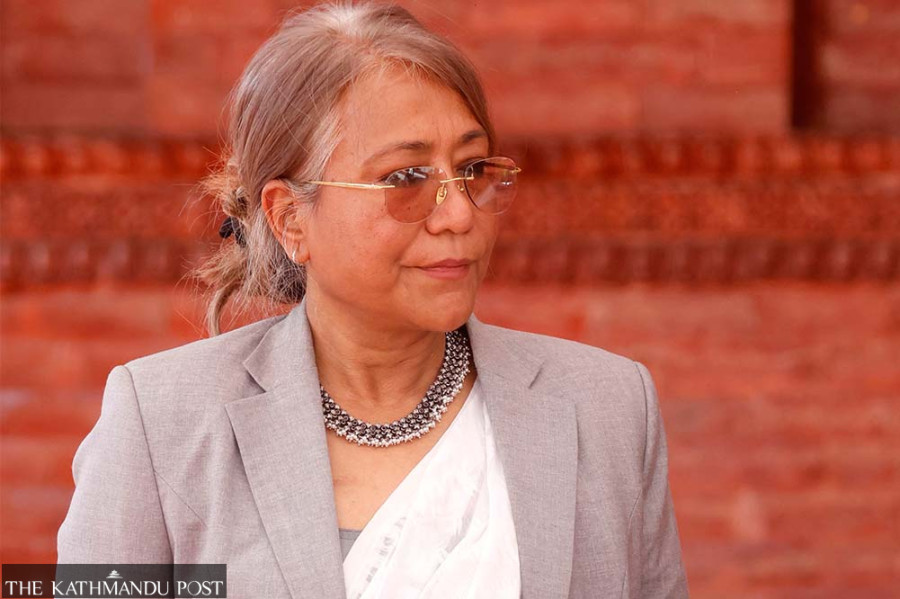
Sapana Pradhan Malla’s rise to the top of Nepal’s judiciary is rooted in a life spent confronting the very structures she now leads. Now serving as acting Chief Justice of the Supreme Court, she joined the apex court as a Justice in 2016 after decades of legal activism. With seniority placing her next in line, she is widely expected to be appointed Chief Justice once the constitutional process is completed. Her trajectory—from challenging discriminatory laws to leading the institution that interprets them—offers a lens into both Nepal’s evolving legal landscape and the persistence required to reshape it.
Here are five points you should know:
From disgrace to self-definition Malla was named as a symbol of familial disappointment—the daughter born when a son was expected. She grew up conscious of that meaning and responded not with resignation but defiance. From childhood, she rejected gendered expectations, insisting on autonomy in how she dressed, behaved, and spoke. That early resistance shaped the core of her identity.
Turning law into instrument of equality Malla identified the law itself as a site of discrimination, documenting 118 legal provisions that treated women as inferior. Through strategic litigation—often alongside Meera Dhungana—she challenged deep-rooted norms on inheritance, citizenship, and marital rights. Her work led to landmark changes, including equal property rights for daughters and the criminalisation of marital rape.
From private success to public reform After building a successful and lucrative legal practice, Malla shifted focus to public interest work. The transition marked a deliberate move away from personal gain toward systemic change. In 1995, she co-founded the Forum for Women, Law and Development, institutionalising efforts to dismantle discriminatory laws and expand women’s rights.
Shaping the state from within As a member of the Constituent Assembly, Malla contributed to integrating gender equality and inclusion into Nepal’s constitutional framework. Although the first assembly failed, many provisions she advocated—such as proportional representation and protections for marginalised groups—were incorporated into the 2015 constitution.
From advocate to the apex court Appointed to the Supreme Court in 2016 after decades of legal activism, Malla brought a broad and rigorous approach to the bench. Her legal approach spans constitutional, environmental, and human rights issues. Now serving as acting Chief Justice, she leads the judiciary while remaining a polarising figure—praised for her reformist legacy and scrutinised for her past political role.




 24.12°C Kathmandu