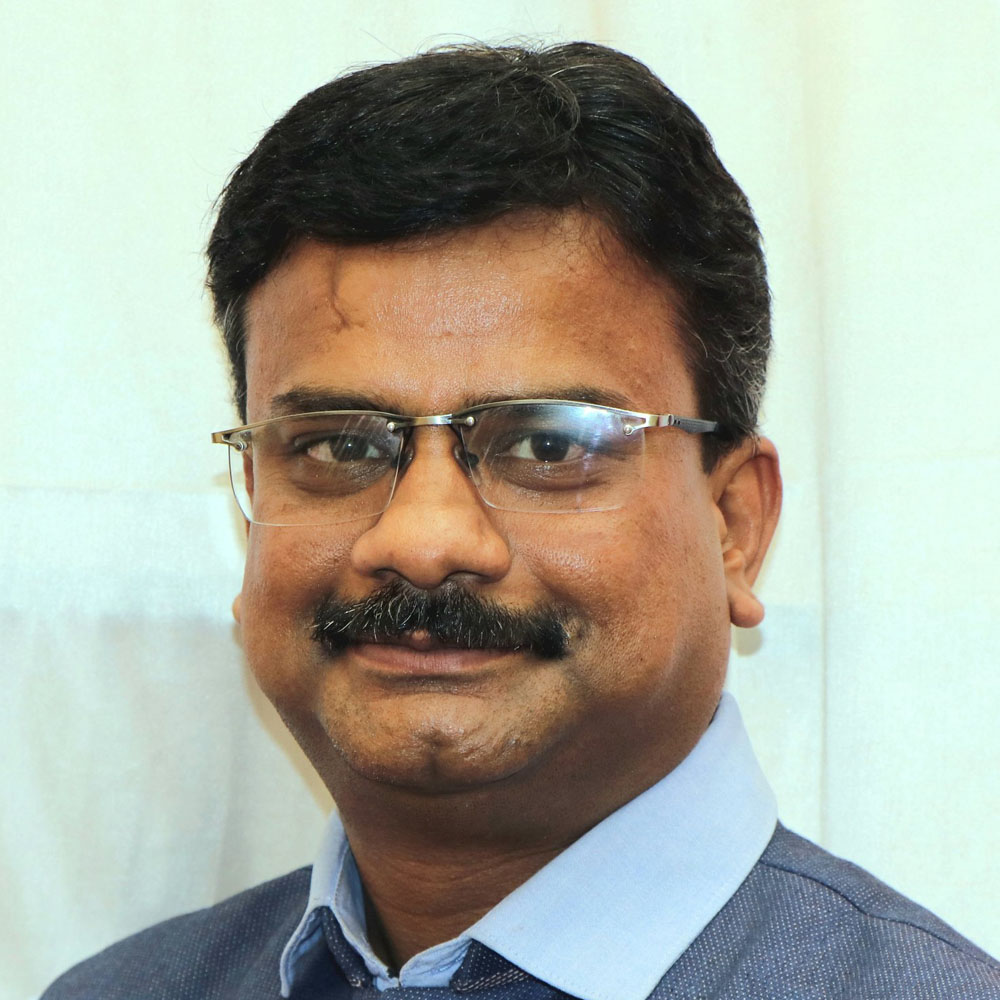
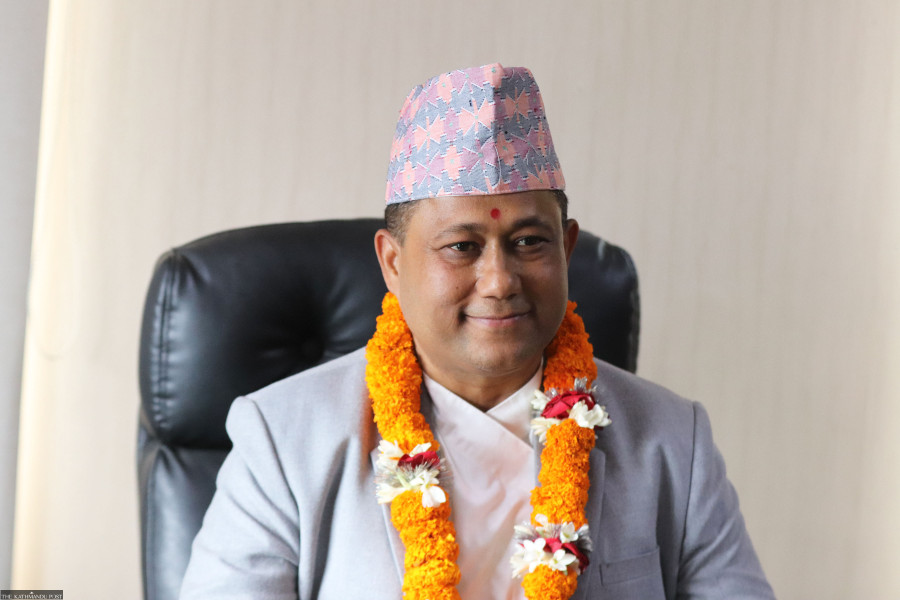
Shishir Khanal, who entered politics through a public education reform movement, has been appointed foreign minister in the Cabinet led by Balendra Shah.
Khanal worked with Teach For Nepal from 2012 to 2019 before joining politics. He served as education minister for 19 days in January 2023. He later worked as a party secretariat member and head of the international department, and was part of the dialogue team that brought Shah into the Rastriya Swatantra Party.
He was also a member of a high-level dialogue team led by Swarnim Wagle, where party leaders say he earned trust from both sides, making him a consensus pick for the Cabinet.
As the international department chief, Khanal engaged with political parties in India, China and other countries.
During the peak of Nepal’s Maoist conflict, Khanal studied public policy at the University of Wisconsin–Madison. After completing his master’s degree in 2004, he joined Sri Lanka’s Sarvodaya Shramadana Movement, inspired by Mahatma Gandhi’s philosophy of grassroots social transformation.
Soon after, the 2004 Indian Ocean tsunami struck, displacing around one million people and killing about 200,000 in Sri Lanka. Khanal said his team was involved in relief and rehabilitation efforts, an experience he later drew upon. He returned to Nepal and launched Sarvodaya Shramadana Nepal.
Challenges and opportunities
With a majority government in place, the Rastriya Swatantra Party faces both opportunity and pressure in foreign policy, particularly in balancing geopolitical interests, maintaining ties with neighbouring countries and rebuilding Nepal’s diplomatic credibility.
Boosting external aid and investment to revive the economy will be a key priority. With global opportunities narrowing, Nepal must navigate relations with its two neighbours—India and China—with greater skill.
Frequent government changes in recent years have weakened Nepal’s diplomatic competence. Analysts say a stable government now has the chance to rebuild trust with the international community.
Foreign policy experts have welcomed the party’s commitment to “development diplomacy” and a more proactive approach. Analyst Chandra Dev Bhatta said Nepal has long been reactive, and a shift to proactive engagement could strengthen bilateral ties and expand economic cooperation.
Global conditions, however, remain unfavourable. Western countries, including the United States and European nations, are reducing foreign aid. Multilateral platforms like the United Nations are seen as weakening, while conflict in West Asia continues to disrupt global stability and labour markets.
A large number of Nepalis work in these regions, and prolonged conflict could threaten jobs and remittance flows. Ensuring their safety and creating domestic employment remain key policy challenges.
Nepal’s ties with India have seen fluctuations, particularly after the 2015-16 blockade following the promulgation of the constitution. Border disputes in Limpiyadhura, Lipulekh and Kalapani continue to strain relations.
Nepal has also called for a review of the 1950 Treaty of Peace and Friendship with India, but progress has stalled. Acceptance of the report of the Eminent Persons Group formed by both countries remains pending.
On the northern front, China has shown concern over pro-Tibet protests and expects Nepal to uphold its “One-China” policy. Issues such as alleged irregularities in the Pokhara Regional International Airport project and delays in implementing the Belt and Road Initiative have also drawn attention.
Apeksha Shah, head of the Department of International Relations and Diplomacy, Tribhuvan University, said Nepal must clearly define its national interests while addressing concerns of major partners. She emphasised implementing existing agreements with India, China and the US, including energy trade, infrastructure and development projects such as the Millennium Challenge Corporation compact.
Experts caution against overreach. Bhatta said a majority government does not justify “adventurism” in foreign policy, urging a pragmatic approach focused on strengthening economic ties with neighbours.
Former foreign secretary Madan Kumar Bhattarai said disputes with neighbours are natural and require long-term negotiation. “You cannot hold the entire relationship hostage to one issue,” he said, stressing the need to continue cooperation in trade, technology and development alongside dialogue.
He added that foreign policy does not change abruptly with a new government. “It is inherently conservative, and continuity outweighs change,” he said.
Institutional reform within the foreign ministry is also seen as crucial. Experts point to entrenched issues, including politicised ambassadorial appointments and a culture focused on overseas postings rather than policy delivery.
A former minister, speaking on condition of anonymity, said short-term ministers often struggle to assert control over the bureaucracy. With a stable government now in place, addressing these internal weaknesses will be key to strengthening Nepal’s diplomatic apparatus.




 23.63°C Kathmandu