



 14.81°C Kathmandu
Sat, Oct 24, 2026
Money
Nepal growth outlook dims as global lenders cut projections below 3 percent
World Bank, ADB project a sluggish expansion amid unrest, West Asia conflict, and climate shocks; tourism, remittance risks mount.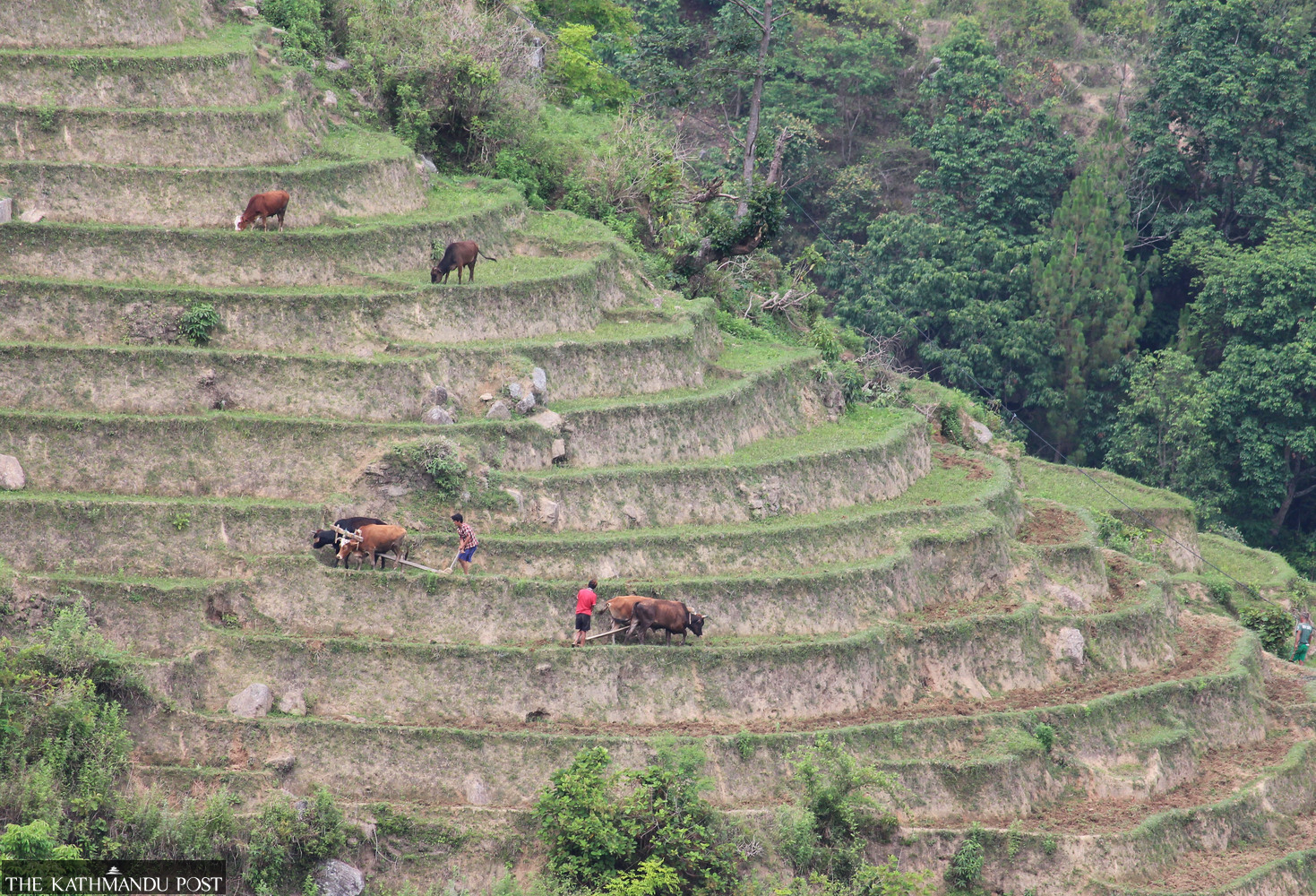
Sangam Prasain
Published at : April 10, 2026
Updated at : April 10, 2026 18:28
Nepal's economy has come under intense strain from a series of overlapping shocks that began with a drought in the Tarai during the peak paddy transplantation season in July last year and deepened through political unrest, natural disasters, and escalating geopolitical tensions.
The September 2025 unrest caused widespread damage to public and private property, leaving a lingering dent on investor confidence and disrupting supply chains. This was followed by torrential rains in October that triggered fast-moving floods and landslides across eastern and central Nepal, affecting over 30,000 families and killing dozens.
Tourism and the broader hospitality sector—key pillars of the economy—have also taken a heavy hit.
Adding to domestic challenges, geopolitical tensions have begun weighing on the economy, contributing to fuel and fertiliser shortages, price hikes, and a weakening services sector.
A year after Nepal was placed on the Financial Action Task Force grey list, the country is witnessing declining foreign direct investment and rising costs for international banking transactions.
The overall outlook remains highly uncertain, with substantial downside risks.
These include a prolonged conflict in West Asia, weak capital budget execution, vulnerabilities in the financial sector, and increasing climate-related hazards. Risks are further elevated by global oil price volatility and potential weakness in remittance inflows from Gulf Cooperation Council (GCC) countries if the conflict drags on.
The government’s target of achieving 6 percent economic growth now appears increasingly out of reach, not even reaching the half of the estimate.
On Wednesday, the World Bank projected Nepal’s economy to grow by just 2.3 percent in the current fiscal year 2025-26, down from 4.6 percent in the previous year, citing the impact of the West Asia conflict and lingering effects of the September unrest.
Two days later, the Asian Development Bank (ADB) offered a slightly more optimistic projection.
In its Asian Development Outlook April 2026, the Manila-based lender said Nepal’s economy may grow by 2.7 percent year-on-year in the current fiscal year.
“The country’s economic growth will significantly slow in 2025-26 amid political uncertainties, including last year’s civil unrest and the conflict in West Asia,” said Arnaud Cauchois, ADB’s country director for Nepal.
“While renewed political stability is expected to support reforms and bolster economic confidence, substantial downside risks remain, particularly from the West Asia conflict, which is affecting oil prices, tourism, and remittance flows.”
Nepal’s tourism season had begun on a strong note.
Arrivals grew 15.5 percent in January despite it being an off-season month, followed by an 8.8 percent year-on-year increase in February. Encouraged by political stability and robust bookings, operators had expected arrivals to grow by over 20 percent in March—the start of the peak trekking and expedition season.
Instead, arrivals declined.
March recorded a 1 percent year-on-year drop, with 120,516 visitors entering the country, according to official data.
The downturn coincided with escalating geopolitical tensions. On February 28, the United States and Israel launched aerial attacks on Iran, disrupting key air routes through West Asia—a vital transit corridor connecting Asia with Europe and North America.
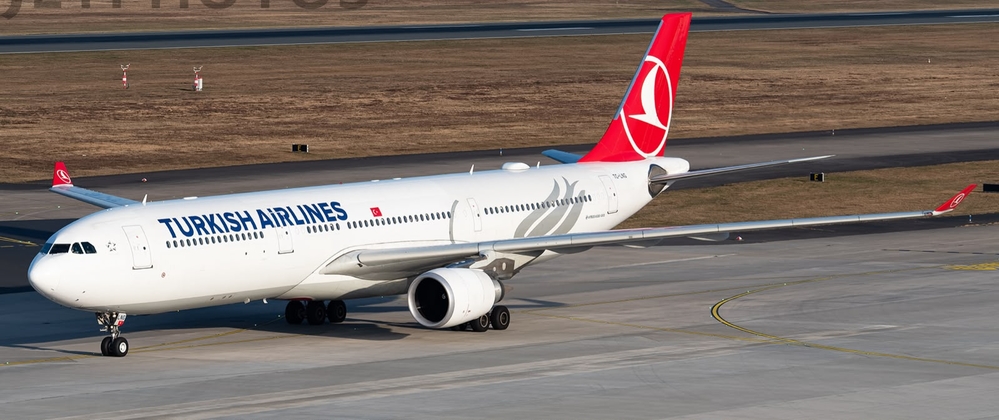
According to the Civil Aviation Authority of Nepal, more than 400 flights from major transit hubs in the United Arab Emirates and Qatar have been cancelled over the past month, severely affecting connectivity.
“We did not expect cancellations at this scale for April,” said Thaneshwor Guragain, manager at Seven Summit Treks, Nepal’s largest expedition agency. “Cancellations, particularly among trekkers, have reached alarming levels.”
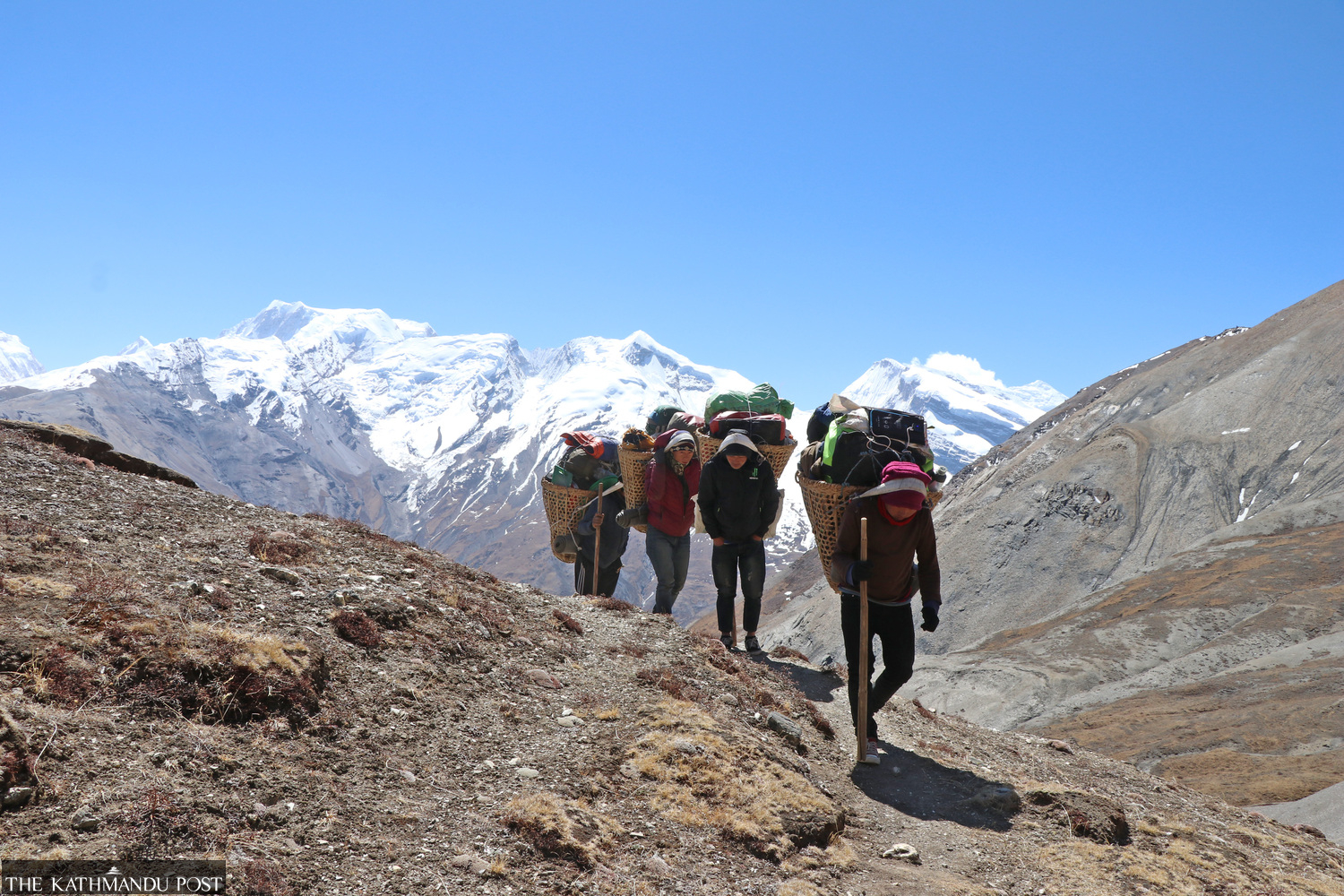
He said nearly 60 percent of trekking bookings for April have been cancelled. “This is huge,” he added.
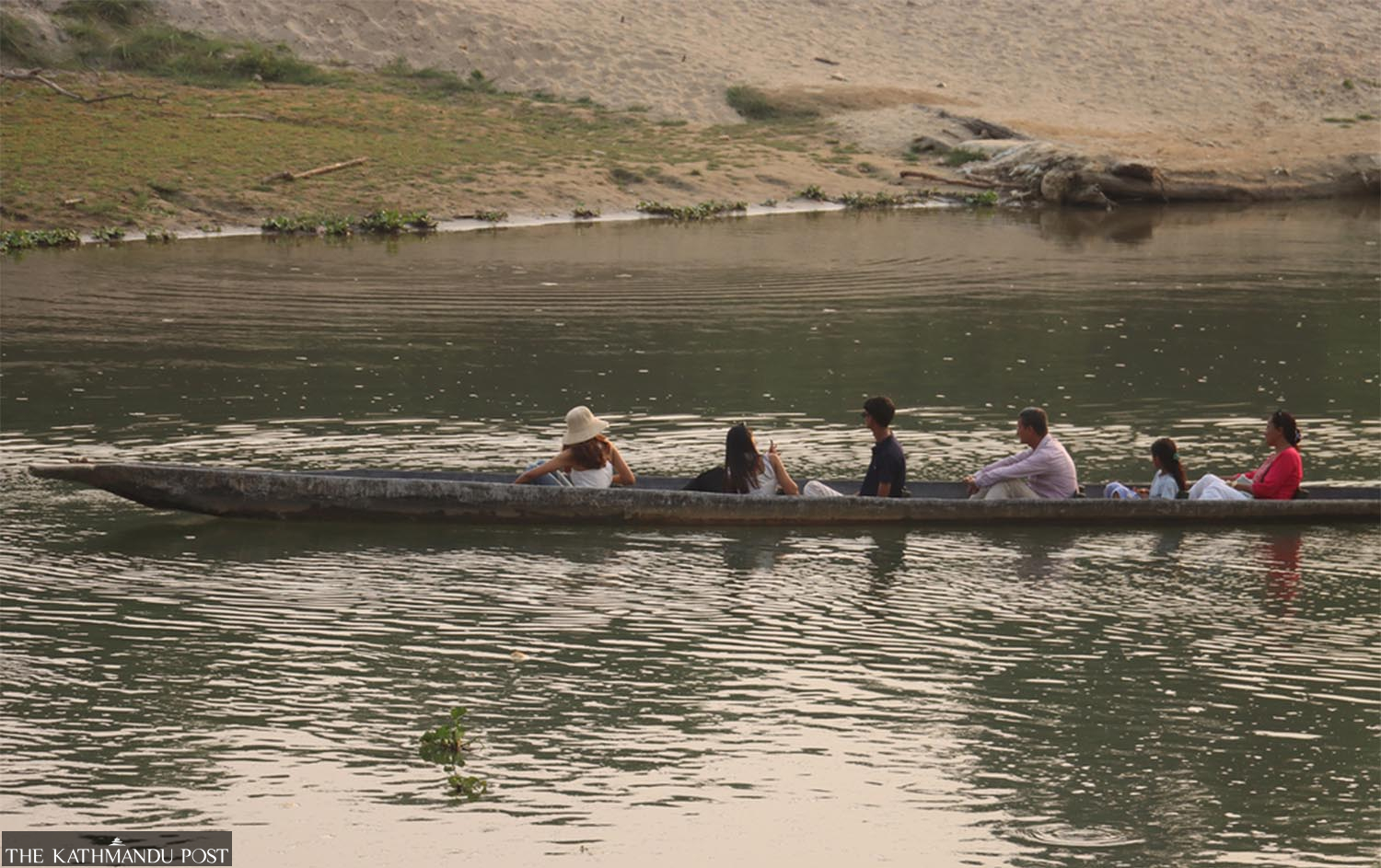
Tourism remains a cornerstone of Nepal’s economy, contributing around 7 percent to gross domestic product. In 2023, the sector generated about $2.5 billion and supported over 1.19 million jobs—accounting for 15.2 percent of total employment, according to the World Bank.
Disruptions at key West Asia transit hubs during Nepal’s peak spring climbing season (March to May) threaten to further dampen tourist inflows and mountaineering activity this year.
In response, the government is preparing reforms aimed at modernising and upgrading the sector.
The proposed Tourism Bill 2025 seeks to streamline mountaineering regulations, simplify cross-border travel, rationalise high-cost permits, and promote sustainable, high-value tourism.
The ADB says these efforts should be complemented by greater digital connectivity and decentralisation of tourism governance to local governments, along with streamlined administrative procedures to reduce bureaucratic delays.
However, unlocking Nepal’s long-term tourism potential will require substantial investment.
While the country offers diverse destination themes—particularly in outdoor and adventure tourism—key structural barriers persist. These include low service standards in major tourism hubs and poor accessibility.
Upgrading critical road networks, improving travel amenities, and strengthening multimodal transport systems will be essential to reducing access barriers and opening new destinations.
Integrated initiatives such as ecotourism development in national parks and the upgrading of the 1,700-kilometre Greater Himalayan Trail could diversify tourism offerings while preserving natural and cultural heritage.
The ADB emphasised the need for stronger governance, recommending a shift in decision-making and resource management to provincial and local authorities to better align projects with local priorities, encourage private sector participation, and enhance workforce skills.
Given tourism’s cross-sectoral nature, effective coordination among infrastructure, hospitality, and utility sectors will be critical. Stricter regulations to curb haphazard development will also be necessary to preserve Nepal’s appeal as a destination.
Beyond tourism, broader economic indicators also point to a slowdown.
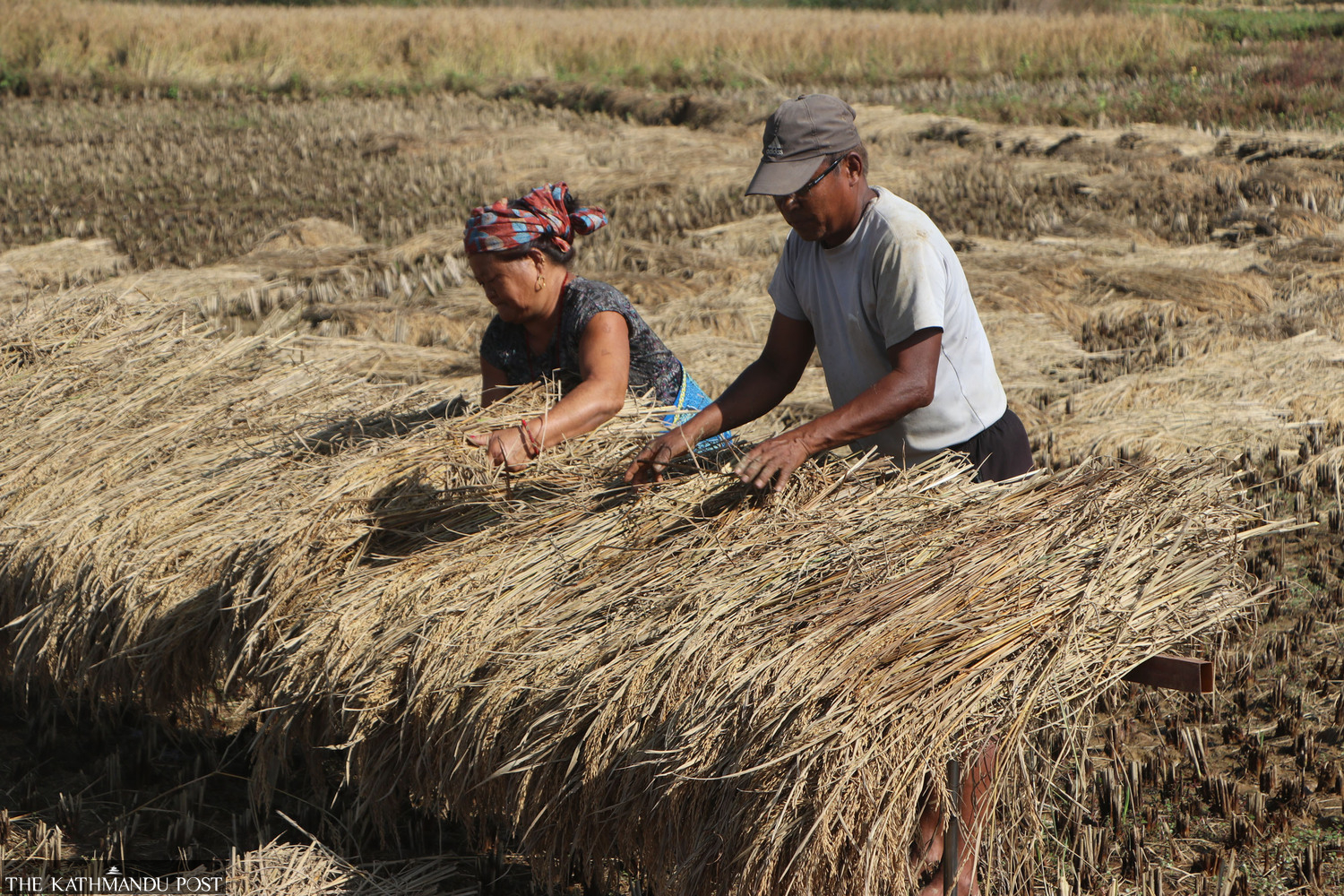
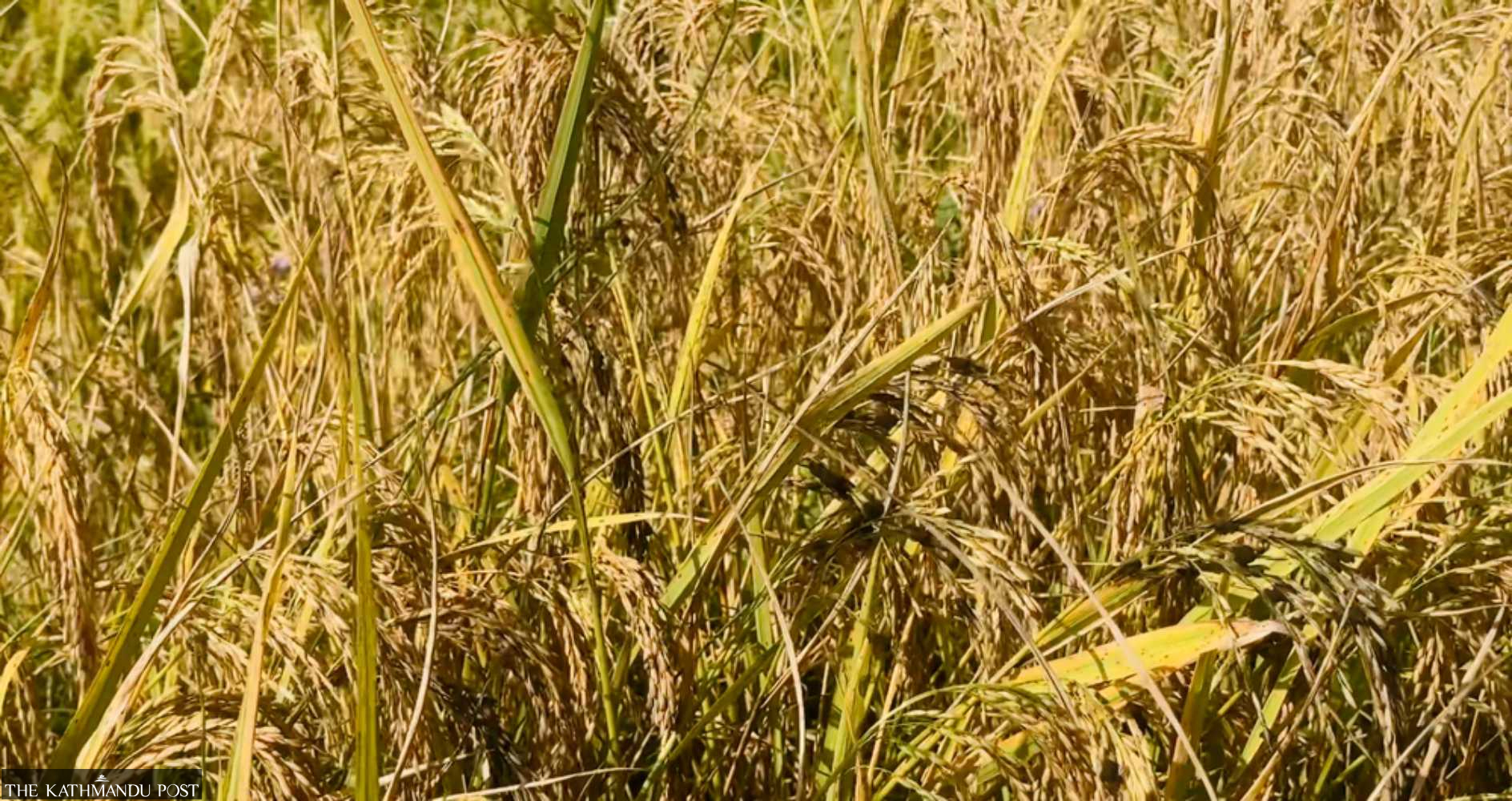
Agricultural growth is projected to ease from 3.3 percent in the last fiscal year to 2.7 percent, as paddy output fell by an estimated 4.2 percent due to delayed monsoon rains and October floods.
Industrial growth is expected to decline to 2.8 percent from 4.5 percent, weighed down by weak investor sentiment and delays in capital spending affecting manufacturing and construction.
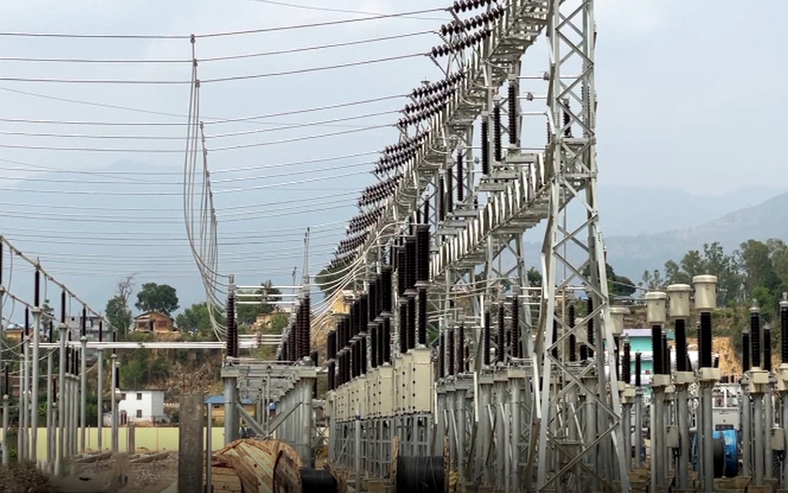
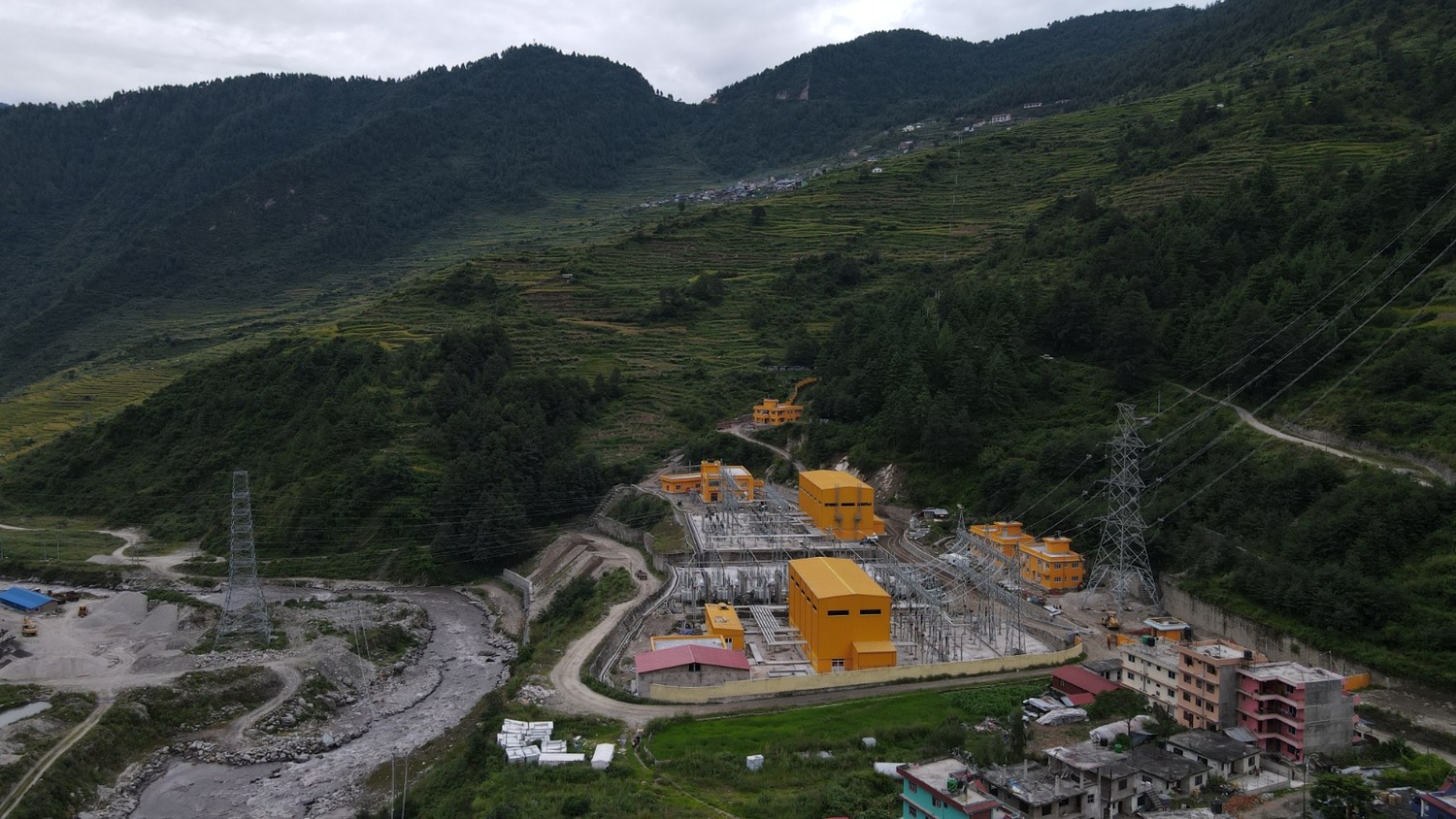
Electricity generation growth is also likely to moderate after floods temporarily disrupted several hydropower plants.
Federal capital spending has lagged this year, as the interim government shifted focus from development projects to parliamentary elections held on March 5, 2026, diverting funds toward election-related expenses.
The services sector is projected to grow by 2.8 percent, down from 4.2 percent in the previous year, reflecting weaker wholesale and retail trade, subdued real estate activity, and declining tourism.
Domestic demand is expected to remain weak due to prolonged political instability, which has dampened consumer confidence and business sentiment. Private consumption has slowed, while investment has been delayed as both domestic and foreign investors adopt a cautious stance.
Some of these effects may be offset by improved political stability and increased public spending linked to election-related expenditures, estimated at around 0.4 percent of GDP.
Inflation, which had moderated earlier, is now expected to rise.
In the first half of the current fiscal year, inflation averaged 1.7 percent, down from 5 percent a year earlier, driven by lower food and international oil prices as well as easing inflation in India.
However, the West Asia conflict has since pushed up oil prices, leading to higher fuel, transport, food, and service costs. Nepal’s heavy reliance on imported petroleum continues to expose the economy to external shocks despite progress in hydropower and electric vehicle adoption.
Inflation is now projected to reach 3.7 percent in 2025-26 and rise further to around 4.5 percent in the following fiscal year.
External sector dynamics are also shifting.
The current account surplus is expected to widen to 7.2 percent of GDP this fiscal year, supported by moderate growth in remittances and exports, but tempered by a rising import bill driven by higher petroleum and LPG prices and potential losses in tourism revenue.
Remittance inflows surged by 32.3 percent year-on-year in the first half of the fiscal year, a sharp jump from 2.7 percent a year earlier. However, growth is expected to moderate, with the current account surplus narrowing to 5.3 percent in the next fiscal year.
Imports will be driven largely by demand for crude edible oils and equipment for hydropower projects, while exports will be supported by soybean oil and electricity.
The ADB noted that US tariffs are unlikely to have a significant impact on Nepal, given the country’s limited exports to the United States.
However, risks remain tilted to the downside.
Looking ahead, the ADB expects economic growth to rebound to around 5 percent in the next fiscal year as the effects of recent shocks gradually fade, supporting stronger domestic demand, hydropower exports, and tourism.
However, the projections are based on assumptions made in early March under an optimistic scenario of early stabilisation in West Asia.
Sangam Prasain
Sangam Prasain is Business Editor at The Kathmandu Post, covering tourism, agriculture, mountaineering, aviation, infrastructure and other economic affairs. He joined The Kathmandu Post in October 2009.

×