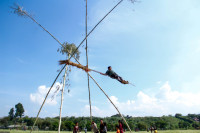
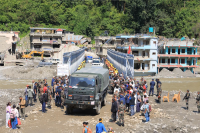
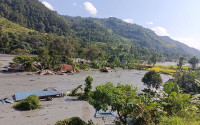
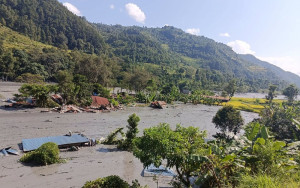
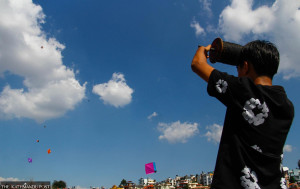
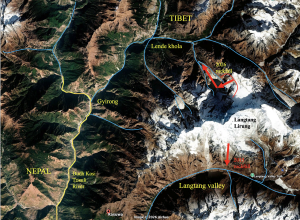
Dashain arrives this year with mud still on its boots. The floods that surged down the Bhotekoshi on August 26 and the Budhigandaki on October 11 have left the festival a muted affair for those living in their path. Gaiety will not come easily to them. And yet the heart keeps its own stubborn arithmetic: families must gather, come what may, and joy must be sought even when grief sits closer to the fire. So the swings go up, the kites climb, the fairs fill, and songs drift from one hillside to the next. They stitch the country together. If that warmth could be turned into shared purpose, rather than left to fade with the last tika, Nepalis would be the stronger for it, and the road to prosperity a little less steep.
A land of many faiths seldom goes more than a few months without somebody’s holidays, and what stands out is how little the calendar divides us. Dashain, Tihar, Chhath, Christmas: each is kept with open-handed enthusiasm by neighbours who do not share the creed. Chhath, within living memory the preserve of Madhesh, now lights its lamps on the hills and in the mountains too. This habit of treating a festival as everybody’s business, rather than one community’s, is among our richest inheritances. It deserves guarding, and encouraging. It is how different peoples learn one another’s rhythms.
At Dashain the cities empty and the villages wake. Those who left for work make for home, and the family gathering widens into the village’s, so that generations and trades that seldom meet end up in the same courtyard. Once, whoever came back brought news of the world beyond the ridge. Not any more. Changing work, shifting migration, new ways of talking and the sheer rush of technology have loosened much of what the festival used to mean. Contact has thinned, though it has not died; if anything, we need to be in the same room more than ever. Nurture that, and belonging and warmth follow, and social unity with them.
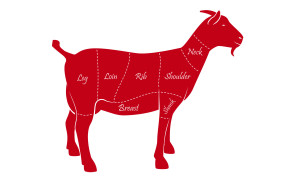
Then there is the table. Doctors say festival fare has grown unkind to the body, and Dashain, with its mountains of meat, is no exception; non-communicable diseases tend to climb in its wake. Too much meat, washed down with cold drinks or liquor, followed by long hours sitting about or at the card table, and hardly a step taken: the body keeps its accounts. Those already at risk must take extra care, and anyone past a certain age would do well to get checked and eat as their physician advises. For the rest, small habits will serve. Greens beside the meat, a brisk walk, plenty of water. Nothing grand.
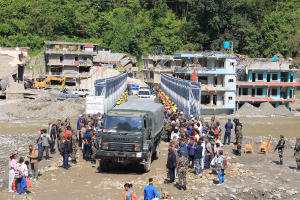
A word, too, on the road home. Cities pour their people into the villages and the highways groan. Even the roads around Kathmandu are in poor repair, and the floods have taken stretches of carriageway and some bridges. Overcrowded vehicles, congested roads and a crumbling surface make a perilous mix, and drivers, run ragged since the festival began, have had little sleep. This Sunday morning, a Sumo bound from Kathmandu for Khotang fell from the Mid-Hill Highway at Nagthan, in Sindhuli’s Phikkal Rural Municipality-6, into the Sunkoshi. Government, operators and passengers alike must stay alert.
A festival is a chance to sit close to one another and be made new again, and Dashain has long done that work. But the old religious readings alone can no longer hold it all. The meaning of ritual wants explaining afresh, in the light of what we now know and in a way that welcomes as many as possible. Only then will our festivals travel past the borders of their own faith and community. In a country as mixed as ours, few bridges are surer.




 18.82°C Kathmandu