RSP leaders rule out Thapa for Japan ambassadorship
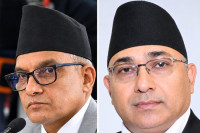
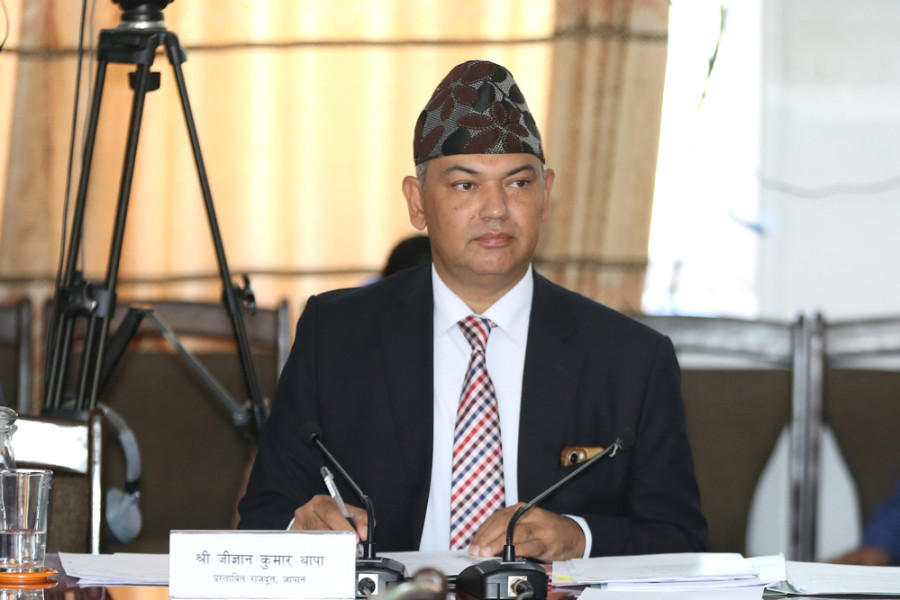
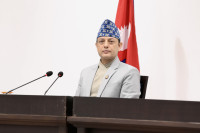
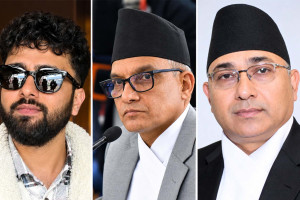
The party has discussed asking him to withdraw his nomination in return for possible consideration for a diplomatic posting in another country. Jigyan Kumar Thapa, Nepal’s ambassador-designate to Japan, during his parliamentary confirmation hearing. Nepal Photo Library
The ruling Rastriya Swatantra Party’s senior leaders have agreed that Jigyan Kumar Thapa should not become Nepal’s ambassador to Japan, citing potential conflicts of interest arising from his family’s residency status, financial interests and other ties to the country.
The understanding was reached during a meeting between party chair Rabi Lamichhane and Prime Minister Balendra Shah, according to sources familiar with the discussions. Under the agreement, Thapa could be considered for an ambassadorial posting in another country, but the party will not back his appointment to Japan.
“We have agreed that Thapa should not be appointed ambassador to Japan. Given the potential conflict of interest, the understanding with the party leadership is that he could be considered for a posting in another country,” a source close to the prime minister told Kantipur.
The party leadership has also discussed asking Thapa to withdraw his nomination in return for an assurance that he could be considered for another diplomatic posting in the future. Whether he receives such an appointment would depend on his decision to withdraw, sources said.
Concerns over a possible conflict of interest stem from his family’s permanent residency in Japan, their assets and financial liabilities, including loans. Questions have also been raised about whether Thapa received benefits from the Japanese government and his previous work with Japanese public institutions.
The parliamentary hearing committee has already advised Thapa to withdraw his nomination. Committee chair Bodh Narayan Shrestha, secretary Tul Bahadur Kandel and RSP lawmakers on the panel have separately asked him whether he intends to do so. Thapa has said he would think about it but has yet to make a decision, committee members said.
The committee is scheduled to meet at 3pm on Monday to discuss his nomination. Shrestha said Thapa could be called in for further questioning before the panel makes a decision.
“We have sought documents and other evidence from Japan and are waiting for a response. Our decision will depend on the response,” Shrestha told Kantipur. “If he withdraws his nomination, the committee does not need to make a decision. Whether to withdraw it is his choice.”
If Thapa does not withdraw his nomination, the committee will decide whether to endorse or reject it, Shrestha said.
Questions about Thapa’s links to Japan emerged during his confirmation hearing, when lawmakers sought details about his permanent residency status, financial obligations and previous work with Japanese institutions. Thapa told the committee that he had relinquished his Japanese permanent residency in March to take up the ambassadorship. His wife and sons, however, continue to hold permanent residency in Japan.
The committee wrote twice to the Ministry of Foreign Affairs, asking it to obtain information from Japanese authorities on whether Thapa had formally given up his residency, whether he had outstanding financial obligations in Japan, and whether he had received payments or other benefits from Japanese public funds. The ministry forwarded the requests to Nepal’s embassy in Tokyo, but Japanese authorities declined to disclose the information, citing personal privacy.
The Foreign Ministry has conveyed Japan’s response to the committee verbally, but the panel has asked for formal written confirmation. The ministry has also informed the committee that it has not received documentary evidence confirming that Thapa relinquished his Japanese permanent residency. In his personal details submitted to the committee and the ministry, Thapa listed work with the Kanagawa International Foundation and the Japan International Cooperation Agency, as well as Japanese government ministries, universities and other institutions.
The Cabinet recommended ambassadors for 13 countries on September 18, and their names were registered with the parliamentary hearing committee on September 23. Under Rule 26(2) of the Federal Parliament Joint Meeting and Committee (Operation) Rules, 2024, the committee must complete the hearing process and communicate its decision within 45 days of receiving the nominations. The deadline for Thapa’s nomination is November 5. If the committee fails to communicate its decision within that period, the rules remove the legal obstacle to his appointment. Shrestha, however, has said the panel will exercise its authority and decide on the nomination within the stipulated period.
The directive governing ambassadorial appointments bars nominees from holding permanent or temporary residency permits, or enjoying residency-related facilities, in another country. It also requires them to have no conflicting interests in the country to which they are appointed.




 20.74°C Kathmandu