Lack of digital awareness puts Nepali migrants abroad at legal risk
Recently, seven Nepalis have been arrested in the Gulf for allegedly filming and posting photos and videos of explosions, missile strikes and military activities.
A lack of basic understanding of what is permissible on social media during emergencies is pushing Nepalis abroad into legal trouble.
Amid ongoing wars and tensions in various countries, the use of social media has become a major legal risk for Nepali citizens.
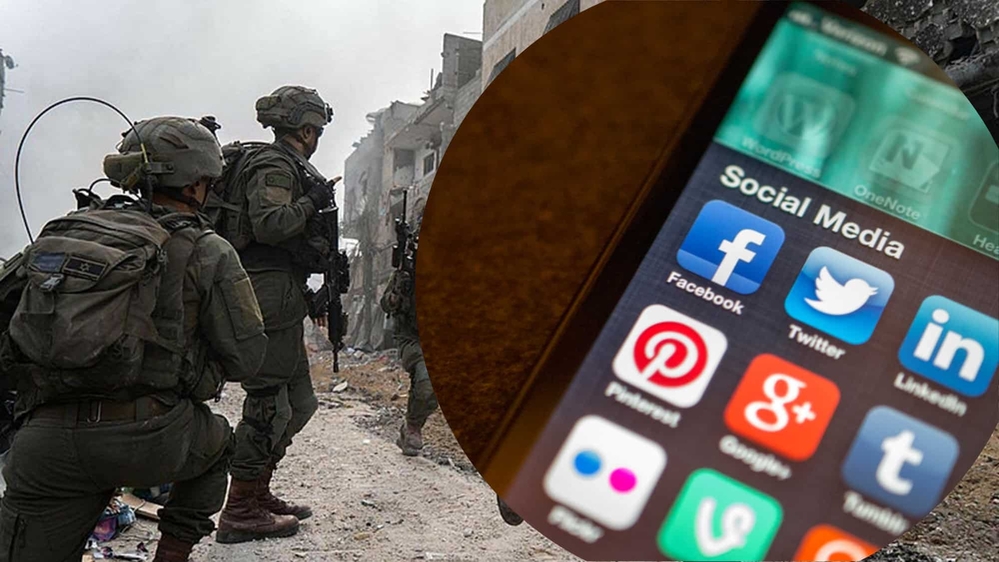
According to the Ministry of Foreign Affairs, recently, seven Nepalis were arrested for allegedly filming and posting photos and videos of explosions, missile strikes and military activities in conflict-hit regions of West Asia on social media platforms, including Facebook and TikTok. The incidents have brought to light the risks posed by poor digital literacy and the urge to go viral. They have also raised questions about pre-departure orientation training and the responsible use of technology.
Among the arrestees, three were held in the United Arab Emirates, three in Saudi Arabia and one in Kuwait. Of those arrested in the UAE, two were detained along with a group of 25 on charges of compromising the country’s defence system and posting misleading content generated using AI. Another individual was earlier arrested in a similar case.
Authorities have found that Nepalis have been detained not only for posting content that violates locally sensitive issues, but also for liking, sharing, commenting on, and even sending private messages.
Lok Bahadur Paudel Chhetri, the ministry spokesperson, confirmed the arrests, noting that they involved posting photos and videos against local laws and security sensitivities. He said governments in those countries have completely banned the creation and sharing of content related to security matters.
According to him, those arrested could face heavy fines, long prison sentences and even deportation after serving their jail terms under local laws. He said it was unfortunate that such incidents continued despite repeated advisories issued by the ministry. The ministry is awaiting further details regarding the arrests from the respective governments and Nepali embassies.
Cybersecurity expert Mona Nyachho said security agencies can easily track what kind of content is being posted, from which locations, and assess its impact through sentiment analysis. “One should not assume that being an ordinary individual means no one is watching. Monitoring systems track everyone, without distinction,” she said. “While private messages may not always be monitored, if a person comes under suspicion or uses keywords such as ‘bomb’ or ‘terrorist’, alerts are triggered within the security system. In such cases, even personal chats can come under surveillance.”
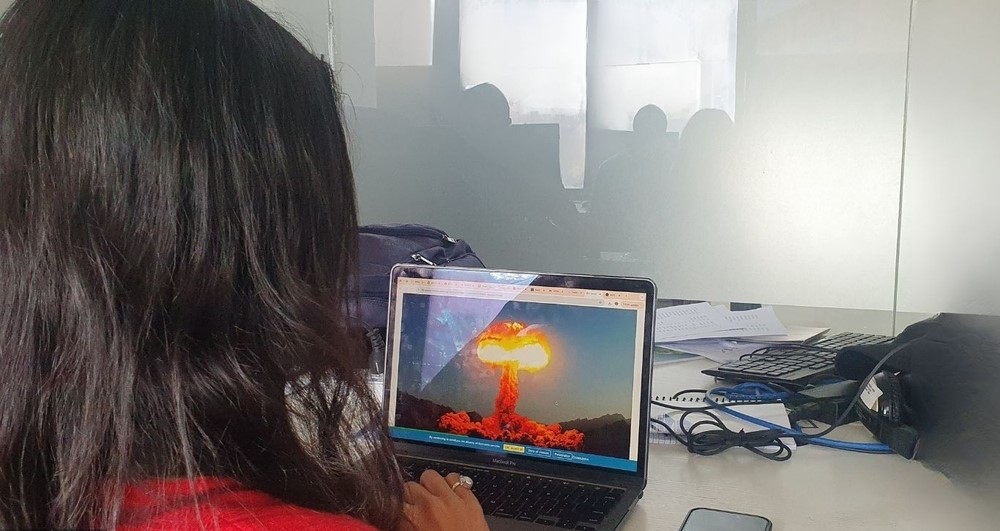
She said AI-generated videos of explosions or misleading sound effects can create unnecessary fear and confusion in society, which is why such actions are treated as serious offences internationally.
According to cybersecurity experts, even if users do not post publicly, sending sensitive content through private messages can be equally risky. “Security agencies in developed countries can easily track what content is being shared, by whom and where,” said another expert. “Even if someone sends photos or videos of their surroundings to family or friends via Messenger or WhatsApp, it can sometimes become part of a digital chain and lead to arrest.”
Experts say developed countries can easily track users’ digital activities during times of war or crisis through electronic monitoring systems.
Officials at the ministry have warned about such incidents. “There have been cases where our workers were arrested simply for sending videos or sound effects of explosions, thinking that no one would know,” said a ministry official. “This is not just a lack of digital literacy, but also negligence. Since many such activities go unchecked in Nepal, our citizens mistakenly assume the same applies abroad.”
Officials at the Department of Foreign Employment say workers have forgotten their basic duty to follow the law in host countries. “We do teach them during orientation not to post recklessly and to follow local laws,” said spokesperson Chandra Bahadur Shiwakoti. “But people act carelessly, assuming they can do anything abroad as in Nepal.”
He said the government has ensured access to information through WhatsApp and Viber around the clock, but many ignore it. Embassies, he said, repeatedly warn people not to make unnecessary comments and to stay safe.
Digital rights activist and advocate Santosh Sigdel said the issue should be viewed as a balance between local security laws and freedom of expression. He pointed out that pre-departure orientation programmes lack dedicated sessions on digital rights, privacy, and misinformation or disinformation. “There is a strange culture in our society of breaking news to others,” he said. “This habit is leading Nepalis abroad to punishment.”
However, Sigdel said the responsibility should not lie entirely with social media users. Weaknesses in government policy and pre-departure training contribute significantly. According to him, low levels of digital literacy and the lack of clear legal frameworks on misinformation in Nepal are causing workers to fall into legal trouble unknowingly.
“The orientation provided to migrant workers is very basic and does not adequately cover digital rights, privacy or technological risks,” he said. “Unless workers are properly informed about the specific digital laws, privacy rules and the serious implications of digital footprints in destination countries, they will not understand what they should or should not share.”
He suggested that policies should require manpower agencies and government bodies to provide such specific information. He also said platforms like TikTok and Facebook should issue warnings to users in sensitive regions.
According to the Nepal Multiple Indicator Cluster Survey 2024–25, recently published by the National Statistics Office, 85.1 percent of households in Nepal have smartphones and 82 percent have internet access. However, the survey shows that technical skills and digital literacy remain concerningly low.
While 57.6 percent of the population can perform at least one of 11 computer-related tasks, literacy in more complex technical skills is weak.
Only 19.9 percent know how to adjust privacy settings on devices, accounts or apps, 19.2 percent can assess the reliability of information online, and 23.8 percent can manage security features—indicating limited digital literacy.
Experts say that, amid limited technical knowledge and awareness, Nepalis going abroad for employment lack an adequate understanding of responsible social media use and the legal risks it entails. The conventional orientation provided by the government has not been sufficient to make them aware, they stressed.




 20.84°C Kathmandu