



 19.35°C Kathmandu
Tue, Oct 6, 2026
National
Elephant festival revives Sauraha tourism after prolonged slump
A surge in domestic and Indian visitors during the 19th Elephant and Tourism Festival has boosted hotel occupancy, even as debates over elephant welfare linger.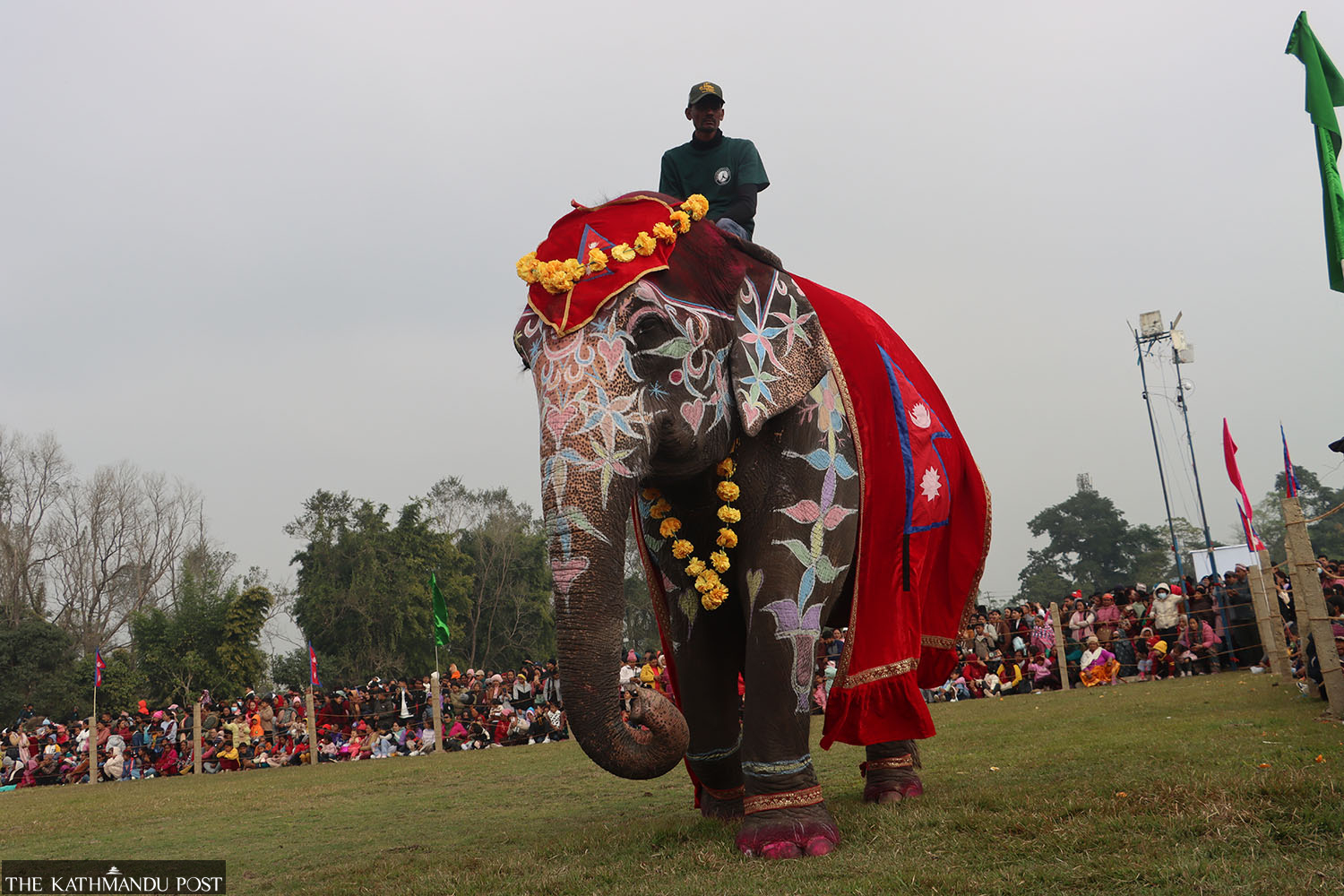
Sangam Prasain
Published at : December 29, 2025
Updated at : December 30, 2025 07:15
On the cusp of Christmas and the New Year, tourism entrepreneurs in Sauraha were buoyed by a noticeable rise in tourist arrivals—both domestic and international—after months of slow business.
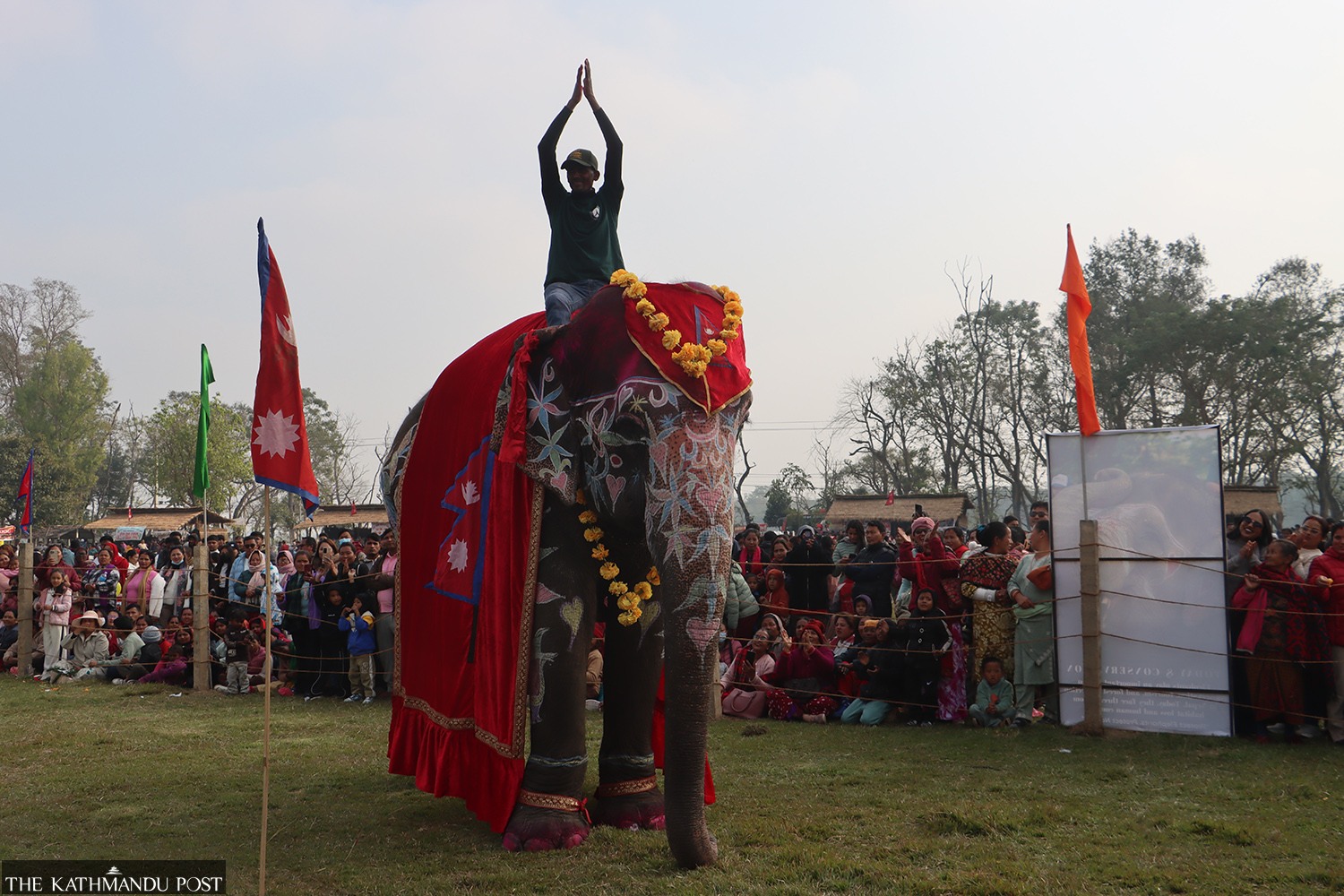
Hoteliers say that poor road conditions and weather-related disruptions to domestic flights failed to deter jungle safari enthusiasts this time. The main attraction was the three-day 19th Elephant and Tourism Festival, which concluded on Sunday.
“Rooms are almost sold out, and bookings are encouraging,” said Prakash Neupane, general manager of Banbas Resort in Sauraha. “The elephant festival in Sauraha has become a major draw.”
December-to-February is typically considered the off-season in Chitwan, as many foreign tourists return home to celebrate Christmas and the New Year, leaving the destination relatively quiet.
“This year, however, the situation is different,” said Neupane. “We hope the momentum will continue.”
Foreign visitors were also drawn to the festivities. “We arrived in Chitwan from Pokhara to see the elephant festival,” said Liwen Liang from Nanjing, China. “The environment here—from local culture to the elephant festival—is fascinating.”
In previous years, tourist numbers in this period used to be low, forcing hotels to operate under financial strain. Tourism entrepreneurs credit the elephant festival with reversing that trend, at least temporarily.
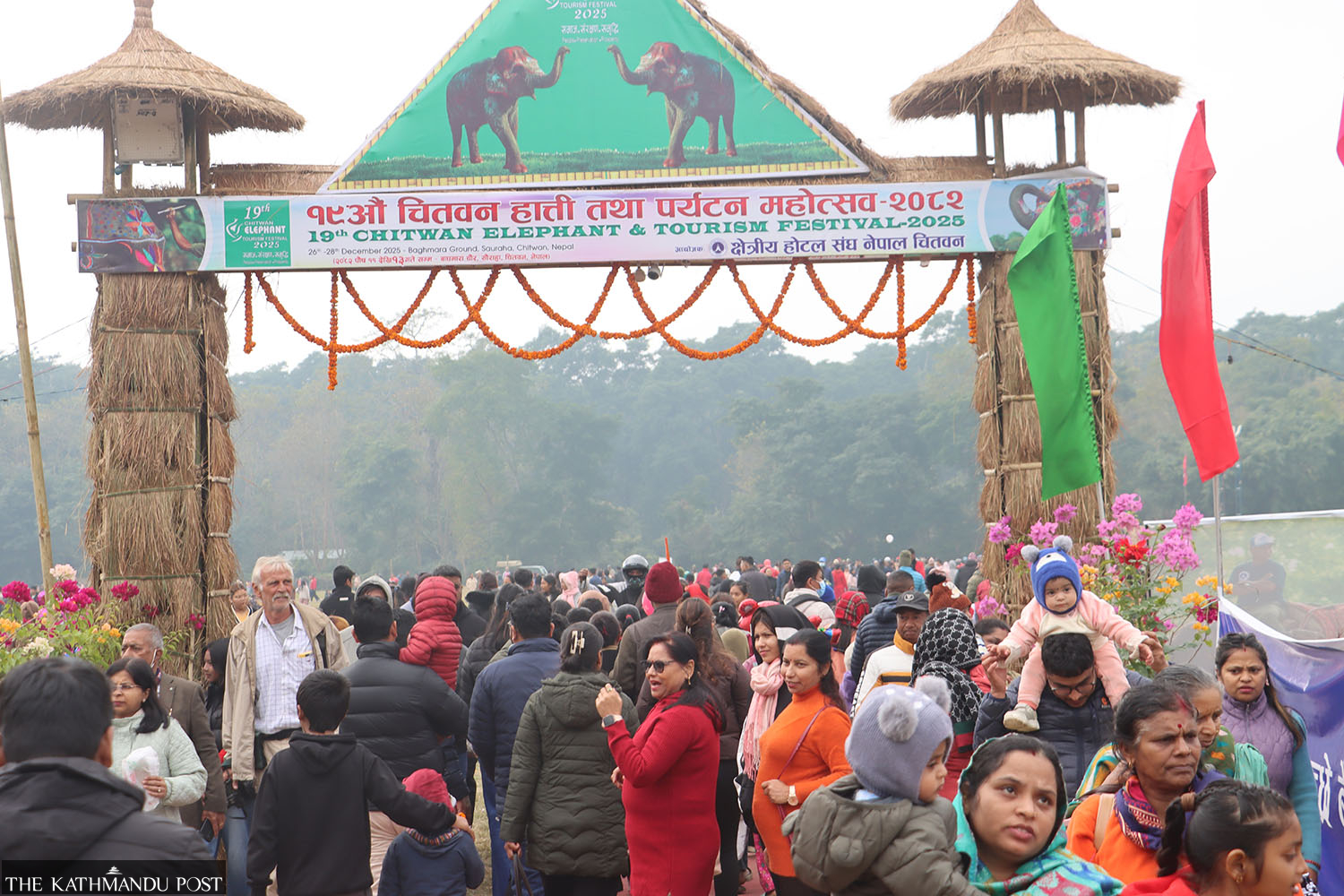
The elephant festival has been held in Chitwan for decades, though it has long faced opposition from animal rights activists.
In December 2017, Nepal’s most popular but controversial sport—elephant polo—was officially discontinued after 35 years.
Tiger Tops, a pioneer of eco-tourism and organiser of the annual International Elephant Polo Competition, announced it would stop the event from 2017 to support the movement against animal cruelty.
Elephant polo was first introduced in Nepal in 1982 by James Manclark, along with fellow enthusiast Jim Edwards.The World Elephant Polo Association was formed the same year at Tiger Tops Jungle Lodge in the then Royal Chitwan National Park.
The matches were played on a grass airfield in Meghauli, on the edge of Chitwan National Park.
Players rode elephants guided by mahouts, initially using a football before switching to standard polo balls after elephants damaged the softer ones. Bamboo sticks fitted with polo mallets were used.
The unusual sport attracted large numbers of foreign tourists to Chitwan for decades.
Even after Tiger Tops withdrew, other organisers continued hosting the event. In December 2018, an elephant polo tournament held in Sauraha drew international criticism over alleged mistreatment of elephants. Similar informal events were organised in 2019, prompting animal rights groups to urge the government to intervene.
In the run-up to Visit Nepal 2020, dozens of international elephant experts and animal welfare campaigners appealed to the government to prevent elephant abuse. The elephant polo and football events did not take place in 2020 due to the Covid pandemic.
Following the end of elephant polo, many luxury properties in Chitwan also stopped offering elephant-back safaris, once a popular way to view wildlife. Instead, they introduced “walk with elephant” packages, allowing tourists to walk alongside elephants in the forest.
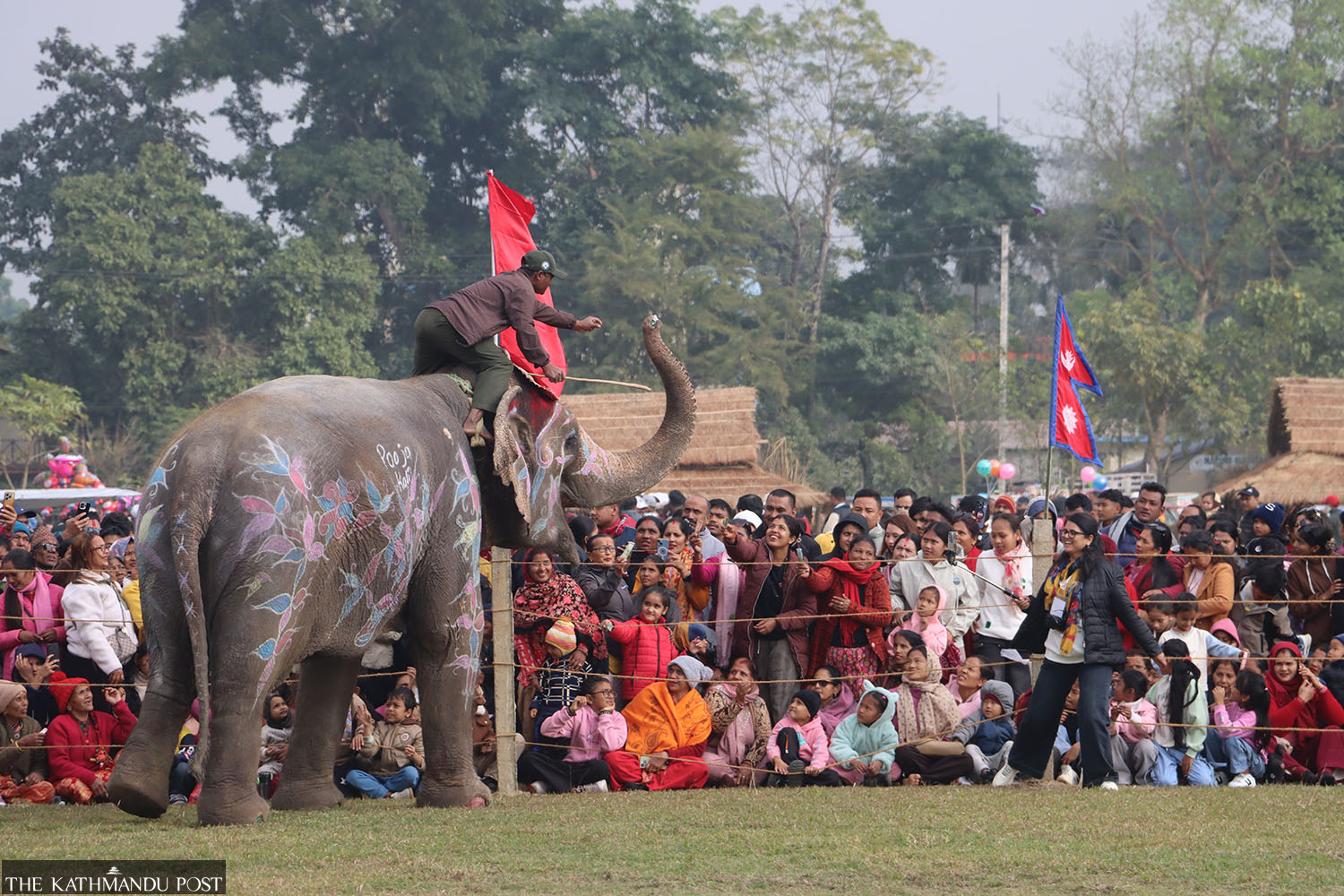
This shift followed international campaigns opposing elephant rides. In December 2014, several Germany-based tourism companies declared that the use of elephants in tourism was improper.
Tourism entrepreneurs in Chitwan say the global backlash has taken a toll on business.
Taking past criticisms into account, festival organisers claim they now conduct events in ways that do not harm elephants.
Currently, the festival includes activities such as elephant penalty kicks, elephant beauty pageants and elephant picnics, which organisers say are less harmful. “As we continue, tourist numbers have increased further,” said Om Pandey, president of the Regional Hotel Association Sauraha.
“Sauraha’s tourism is closely linked to elephants. When we organise events without causing them harm, tourists are attracted,” Pandey said.
According to him, most hotels and resorts were fully booked for about a week from December 24.
“Occupancy has now dropped again, averaging around 50 percent,” he said. Organisers have also renamed the International Elephant Polo Competition as the Elephant and Tourism Festival.
“We plan to extend the event to five days next year, from the current three,” Pandey said.
Across Nepal, tourism entrepreneurs remain concerned about slow recovery in arrivals, which have yet to reach pre-Covid levels. Frequent road and air accidents have dented Nepal’s image as a safe destination.
In August 2024, a bus carrying Indian tourists plunged into the Marsyangdi River, killing 27 people. More than 120 people have died in air crashes over the past four years, discouraging foreign visitors. High airfares and the September Gen Z protests during peak tourism season further affected arrivals.
“Now, with the elephant festival, tourism has begun to revive,” said tourism entrepreneur and conservationist Basu Dhungana. “Indian and domestic tourist numbers have risen sharply, though Chinese and other foreign arrivals are yet to increase significantly.”
He said sustained growth would depend on visitors leaving with positive impressions of Sauraha.
“This festival has played an important promotional role,” he said, expressing confidence that arrivals will increase further from February.
Hoteliers say businesses are becoming lively again, jobs have returned, and optimism is growing. However, concerns remain over elephant welfare and costs.
“There should be clear standards for elephant rides and festivals,” said Suman Ghimire, former president of Hotel Association Nepal’s Chitwan chapter.
“For years, elephants used to carry up to six people through the jungle for 2-3 hours daily. We are discussing reducing it to one or two persons for one trip a day. A guideline can be introduced in Nepal to reduce the number of people and the hours elephants work per day.”
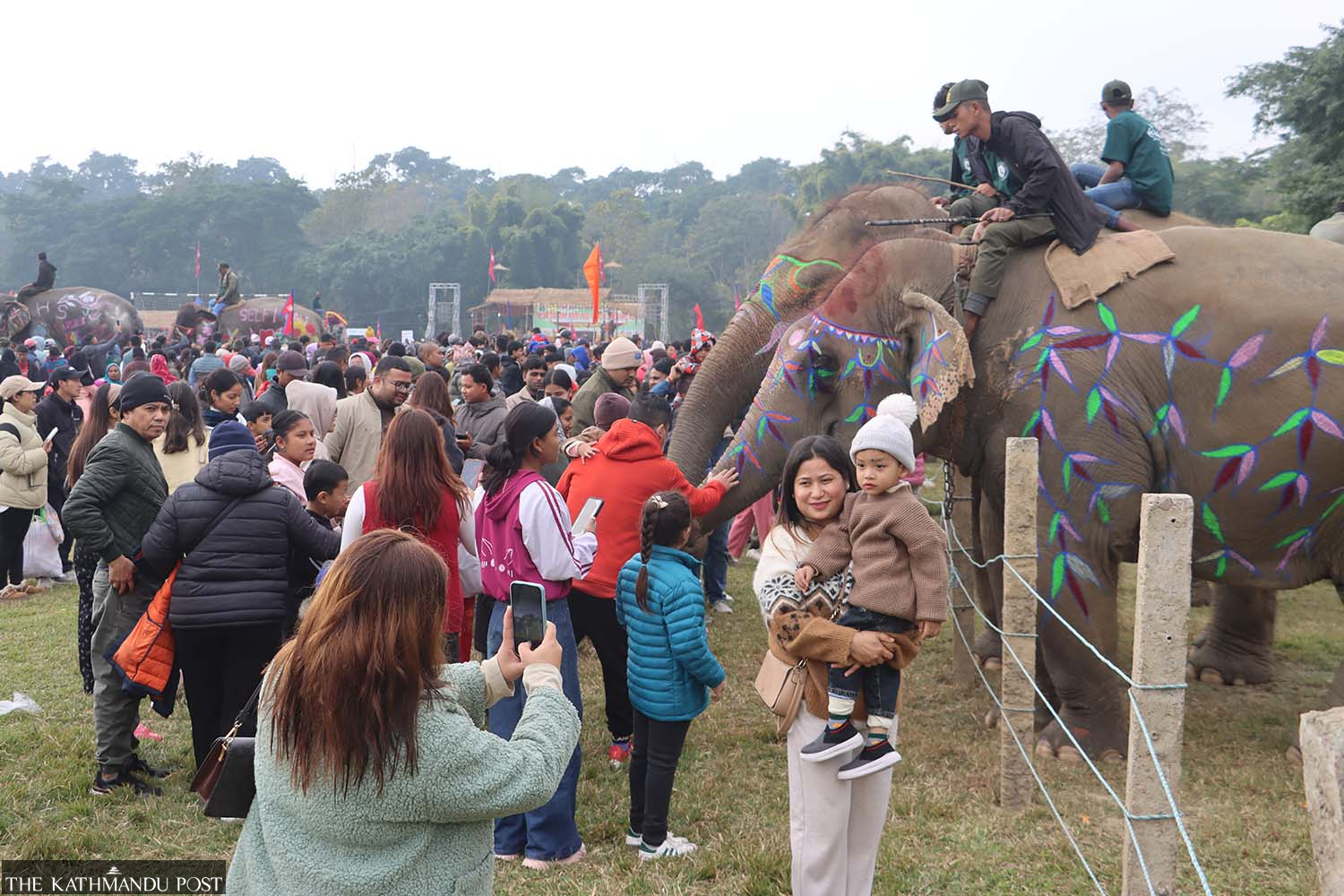
Likewise, as inexperienced mahouts are mostly seen punishing elephants and making them fearful, such behavior could be monitored to create a comfortable and intimate interaction between elephant and rider, said Ghimire.
Nepal has made strides in the care and monitoring of elephants.
“The operators keep them under good conditions. The jumbos are nowadays under veterinary care and are provided adequate nutrition. So, we haven’t abused the animals,” said Ghimire.
Captive elephants consume 150–250 kg of food daily, and owners spend about Rs150,000 per month on feeding, medical care and mahout wages. An adult elephant can cost up to Rs15 million.
Nepal has an estimated 100 captive elephants, including around 60 used by the government for jungle patrols.
Speaking at the event, Nepal Tourism Board Chief Executive Officer Deepak Raj Joshi said elephants are not just animals but an integral part of Nepal’s culture, history and identity. He said the common perception of Nepal solely as a nature-based destination is incomplete, noting that elephants are deeply intertwined with the country’s cultural heritage.
Joshi added that the Elephant Festival serves as a strong bridge between tourism and conservation, and said the tourism board would play a leading role in elephant conservation and population enhancement, guided by a long-term roadmap.
While organisers insist the festival caused no harm to elephants, animal rights groups dispute the claim. In a statement, a rights organisation alleged that mahouts were seen striking elephants with bullhooks and sticks.
“Elephants feel pain and fear just as we do,” said PETA Asia President Jason Baker, calling on the government to shut down the festival. Pandey dismissed the allegations as “propaganda.”
The three-day Elephant and Tourism Festival concluded on Monday, featuring 15 stalls showcasing local cuisine and agricultural products. Tourists also took part in jeep safaris, jungle walks, boat rides and community forest excursions. Around 130 hotels and resorts are currently operating in Sauraha, as the destination looks to sustain the fragile recovery.
“Elephants require constant care, and without tourism-related business, it would not be possible to sustain them,” said Pandey.
Sangam Prasain
Sangam Prasain is Business Editor at The Kathmandu Post, covering tourism, agriculture, mountaineering, aviation, infrastructure and other economic affairs. He joined The Kathmandu Post in October 2009.
Related News



×