



 14.81°C Kathmandu
Wed, Nov 4, 2026
Columns
Whose feminism are we talking about?
Sometimes, privilege is not something we choose. It is something society assigns us, normalises and teaches us to live with.
bookmark
Priya Sigdel
Published at : November 4, 2026
Updated at : November 4, 2026 20:46
As a woman advocating for gender equality, I have often questioned my own position within the inequalities I seek to challenge. Hailing from a Bahun paternal lineage and a Rai maternal lineage, I gradually realised that my socially recognised identity was largely shaped by my paternal caste, offering me a degree of social acceptance that my maternal identity might not have afforded me in the same way.
I was also a Kathmandu-centric, educated woman with access to awareness and opportunities that many others did not have. Yet, I continued to experience the limitations of being a woman.
For a long time, I wondered: Should I acknowledge the privileges I enjoy, or speak about the inequalities I experience?
The realisation was that these were never mutually exclusive. I had not consciously chosen the identity through which society recognised me. Yet I benefited from a social structure that had made that choice on my behalf.
This led me to question something larger: How many of the privileges and inequalities we experience today are inherited social practices that we have never stopped to question?
In Nepal, two women may experience patriarchy differently depending on their caste and class. An upper-caste woman with financial security, education and social networks may have greater access to opportunities than a Dalit woman facing caste discrimination and economic exclusion. Both experience gender inequality, but their barriers are not the same.
Similarly, a man from a marginalised caste may face social exclusion while still benefiting from patriarchal expectations within his household. Inequality does not operate in isolated categories; it intersects, shaping who gets access, who is excluded and whose experiences are recognised.
We have fought for legal rights, constitutional recognition and representation. Yet, the everyday normalcy of inequality often remains untouched. A policy may promise equal access, but does it address the caste discrimination, economic barriers and social expectations that determine who can actually benefit?
This is why intersectional feminism is not another path to gender and development. It is the same path, understood more honestly. It asks us to move beyond counting how many women participate and examine which women participate, under what conditions and with what access to power and resources.
For me, intersectionality extends beyond identifying my own privileges and disadvantages. It questions the social structures that make some privileges appear natural and some exclusions acceptable.
Perhaps the question development must begin asking is not only who has been denied their rights, but also: What have we accepted as normal that has made the denial of those rights possible? Because development cannot transform society if it refuses to question the inequalities it has inherited.
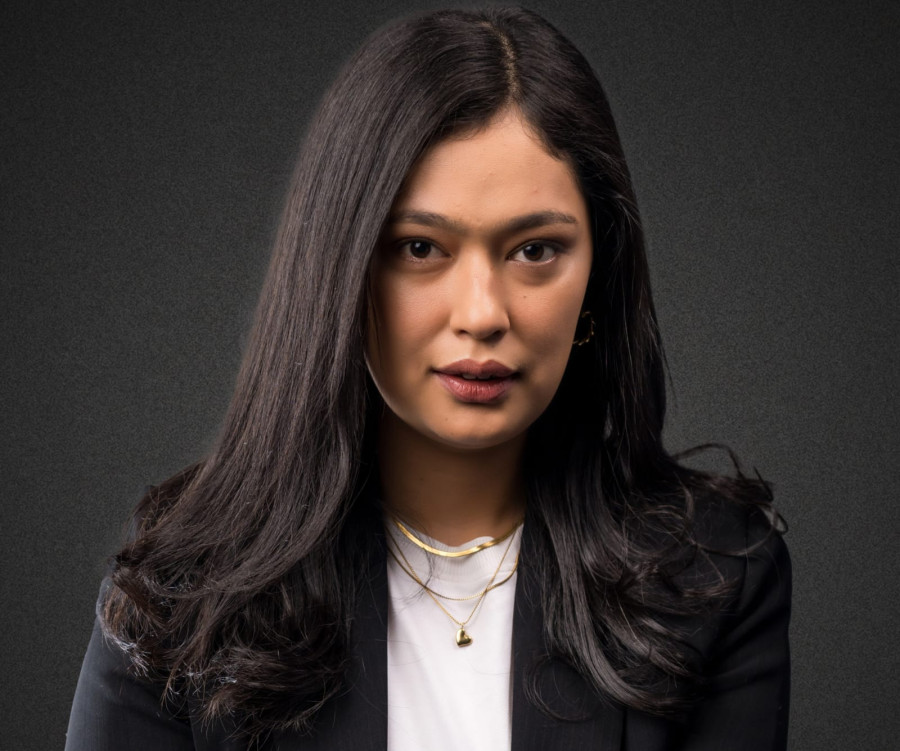
Priya Sigdel
Sigdel is a Nepali activist, social entrepreneur, and beauty pageant titleholder known for winning Miss Nepal Earth 2018


Most Read from Columns

Editor's Picks

The police chief who objects, delays—and ultimately complies
How Inam Sapkota tested the state
Kathmandu Film Festival puts Nepali cinema’s past, present and future in focus
How Deepak Bhatta became Nepal’s most influential power broker
What to know about Nepal Premier League’s big-money, star-studded rise
E-PAPER | November 04, 2026

×