



 15.34°C Kathmandu

Wed, Oct 21, 2026
Columns
Time to move past the basics in disaster response
Assistance must go beyond immediate survival to restore safety, dignity, identity and community connections.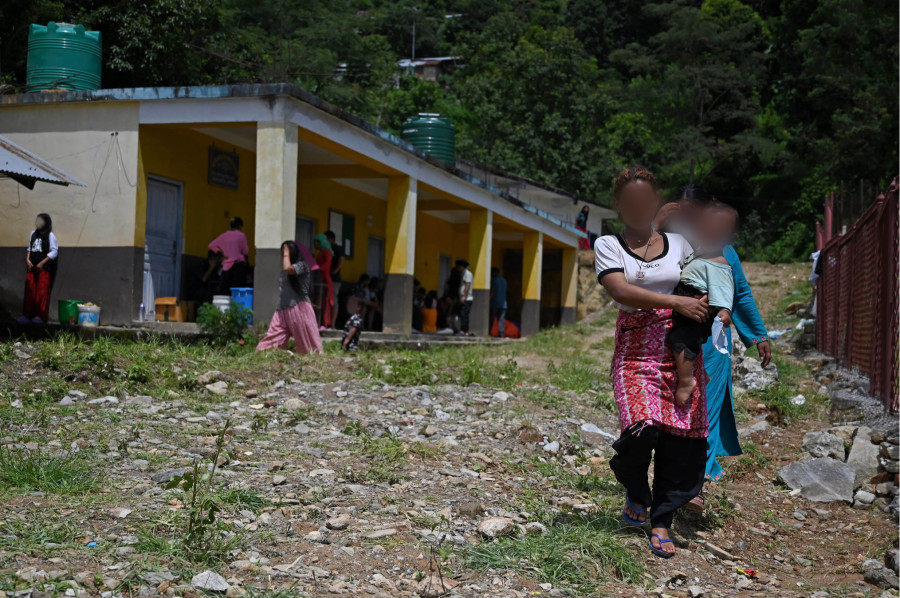
bookmark
Sama Shrestha
Published at : September 8, 2026
Updated at : September 8, 2026 20:06
Disasters do not affect everyone in the same way. For one family, the urgent need may be food and clean water; for another, it may be a wheelchair, a lost citizenship certificate, or a way to reconnect with a missing family member. Dignified, inclusive relief means moving beyond a fragmented, standard list of items towards specific, need-based assistance that addresses survival, safety, dignity, agency and the ability to rebuild lives.
The 2015 earthquakes taught us how disasters create serious protection risks, including gender violence, human trafficking, child labour and child marriage. The tents with limited privacy, safety and sanitation particularly affected women living alone, pregnant and lactating mothers and people with disabilities. Similarly, the 2017 Tarai floods demonstrated how losing vital documents could block people’s access to emergency cash assistance.
But that is not all. During Covid-19, severe isolation among LGBTQIA+ individuals led to many deaths by suicide, and people with disabilities faced delays in receiving essential assistive devices. Emergency settings (quarantine centres) also exposed protection risks, including reported sexual violence involving untrained volunteers. The 2021 Melamchi floods demonstrated gendered risks through unsafe shelters, poor sanitation and menstrual hygiene, disrupted maternal healthcare, increased gender violence risks, rising unpaid care burdens and delayed recovery.
Across these crises, the specific needs of marginalised groups have often remained insufficiently addressed. But some positive practices also emerged after the 2015 earthquakes, including deploying women as masons, electricians, carpenters and painters after specialised training in non-traditional occupations. These skills enabled women to participate actively in reconstruction and recovery efforts, contributing significantly to the livelihood of their families.
A newly elected government is leading the response in Nepal under challenging circumstances, and it deserves strong support. Given the scale and complexity of the crisis, coordinated support from humanitarian and development partners, civil society, the private sector and communities is essential. As Bhotekoshi moves into the next phase, assistance must go beyond immediate survival to restore safety, dignity, identity and community connections through coordinated and comprehensive support.
One critical area is reconnecting families. Families searching for missing loved ones need dedicated family assistance and tracing mechanisms, including dignified identification and management of the deceased. Knowing what happened to a loved one is itself an important part of psychological recovery.
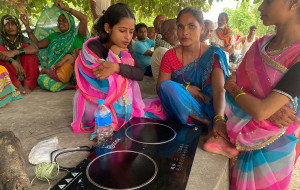
Another important consideration is the establishment of community kitchens. While substantial food assistance is reaching affected areas, externally managed kitchens may not be sustainable. Community kitchens should be women-led and locally managed, providing regular hot, nutritious and culturally appropriate cooked meals, keeping in mind the specific needs of pregnant and lactating women, children, the elderly and those recovering. These kitchens can run for three to six months, giving people some relief in managing food while they begin rebuilding. If managed carefully, they can also help reduce caste-based exclusion and strengthen harmony by bringing people together around shared meals and participation.
In addition, there should be a focus on document recovery desks. When homes and infrastructure are destroyed, people lose citizenship certificates, birth certificates, land records and banking documents. For women and marginalised communities, this can create serious barriers to receiving cash assistance, government services, their cash and jewellery from banks and claiming or recovering land. Local document recovery desks should be established early to digitally recover and securely store essential records.
Equally essential is making relief programmes inclusive and dignified. Relief packages should include a few fresh pairs of clothes, with undergarments treated as an essential item, along with menstrual hygiene products, toiletries, blankets and bedding. Assistive devices such as wheelchairs and walking aids should be part of the first wave of relief. Disability inclusion must ensure accessible information, including Braille and screen-reader-compatible formats, as well as disability-friendly shelters, sanitation, water points and other services. Safe, dignified and well-managed camps should have trained and gender-balanced security personnel and volunteers, adequate lighting, safe spaces, accessible WASH facilities, proper waste management and confidential reporting mechanisms.
Another way to strengthen relief programmes is to recognise affected women as leaders, facilitators and decision-makers, not simply beneficiaries. Local women know which households are struggling, who has been left out and what barriers exist. Paid roles for women, health workers, community facilitators, mobilisers and other local responders can provide income while strengthening the response. Existing women’s groups, youth groups, cooperatives, savings groups and organisations representing vulnerable communities should be supported rather than replaced by parallel structures.
Following the rescue and recovery phase, schools should reopen safely and quickly because education restores routine, peer connection and psychosocial support. Temporary learning spaces can be used where necessary, but they should not become default or prolonged shelters or service centres. Alternative spaces must be identified so children can return to learning.
Recovering after a disaster is challenging unless efforts are made to lower future vulnerability. Through improved cooking stoves, the burden of collecting fuel can be reduced. Similarly, solar lights can improve safety around shelters, and solar radios can help isolated families receive early warnings. Restoring individuals’ phones and data can also help families reconnect and recover important records. Solar battery chargers, solar power banks and communication solutions should therefore be part of the response, particularly where roads remain blocked.
In all past disasters, Nepal failed to record data. Humanitarian actors should collect data disaggregated by sex, age and disability, while considering factors such as caste, ethnicity, socio-economic background, geographic location, and household composition. This information should guide where assistance goes and help agencies identify who is still being missed and what assistance should still be targeted. A rapid Gender Equality, Disability and Social Inclusion analysis should be conducted early.
What’s more critical is the meaningful coordination between national and local actors. Good coordination means clearly designating localised responsibility for relief at each major site, where agencies of the same nature coordinate and deliver as one, giving leadership. Ensuring people receive what they need safely and with dignity should be measured through third-party feedback and confidential complaint and redress mechanisms.
The Bhotekoshi response is an opportunity to do things differently—one that not only responds to the immediate crisis but strengthens systems for future emergencies. This requires sustained and flexible investment in locally-led response, gender equality, disability inclusion and protection.
Sama Shrestha
Shrestha is a gender, inclusion and humanitarian policy specialist.


Most Read from Columns




Editor's Picks




E-PAPER | October 21, 2026

×