



 14.4°C Kathmandu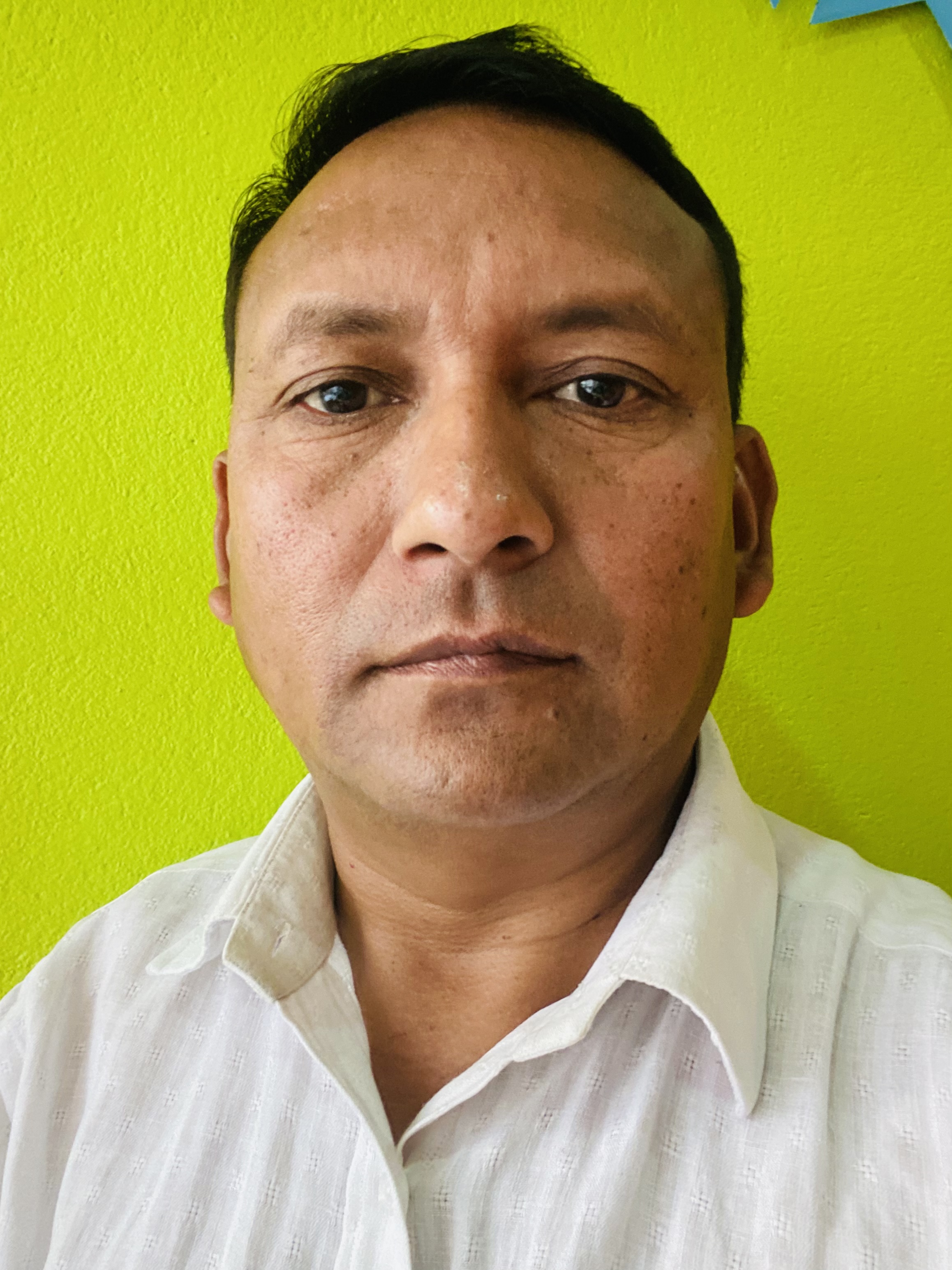

Fri, Oct 16, 2026
Columns
Disappointment and disillusionment for Dalits under the RSP leadership
The government’s utter disregard for issues of social justice, inclusion and equality is likely to cost a great deal..png&w=900&height=601)
bookmark
Mitra Pariyar
Published at : July 20, 2026
Updated at : July 21, 2026 07:06
What has the Balendra Shah-led government delivered to the traditionally suppressed and marginalised groups, especially Dalits, in its first 100 days in office? Has it raised any hopes of freedom from caste hatred, of social inclusion, of economic prosperity?
I’m afraid not. To the contrary, the Shah administration—by extension, his Rastriya Swatantra Party (RSP)—seems bent on overlooking Dalit issues and destroying state institutions aimed at liberating Dalits instead. Going down this route, the Balen government may prove to be the most anti-Dalit administration in our democratic history.
Silent settlement of a custodial death
The apparent suicide of Shree Krishna BK in police custody in Sindhuli this April made news headlines. Many people, including Dalit parliamentarians from the RSP, as well as the National Dalit Commission, suspected foul play and demanded an independent investigation into the alleged custodial killing.
Shah himself was in charge of the Home Ministry at the time. He didn’t heed the popular call for justice for the youth suspected of being murdered by the police for marrying a Magar girl. Neither did he meet the victim’s family, nor did he write a single line on his popular social media platforms—nor did he authorise a judicial probe into the case.
Human rights activists have always argued that police investigations into alleged police crimes are never trustworthy. We, therefore, asked for an independent probe, which the government paid no attention to.
In the end, Police Headquarters itself conducted an investigation. Apparently, a report has been presented to the Home Ministry, but it has not been released to the public.
Moreover, the government held secret talks with the victim’s mother and other relatives and made them accept the dead body for cremation. Nobody knows how much was paid and what other benefits were given to BK’s family to settle the alleged murder case outside the court.
No doubt, there have been custodial deaths of Dalit youths in the past. Previous governments, too, have attempted to protect some upper-caste criminals suspected of killing, raping or dominating Dalits. But, at least, the government officials of the day were accessible to the victims’ families and activists. It was then possible to meet people in charge and demand justice.
No longer the case. You might meet gods in the streets of Kathmandu, but not ministers. The Shah administration has no transparency or accountability.
What’s more, Dalit MPs with the RSP have gone extraordinarily quiet. Those who had previously raised a voice for justice for Shree Krishna BK have remained silent since being publicly rebuked by the RSP Chairman Rabi Lamichhane!
Dalit institutions dismantled
The anti-Dalit attitude of the government has become visibly clear with its destruction of two government organisations aimed at promoting Dalit rights and with its clear intentions to destroy the remaining one.
As part of its reform measures, with the stated aim of reducing government spending, the government silently wiped out the Neglected, Oppressed and Dalit Upliftment and Development Committee. Its lengthy and confusing name notwithstanding, it was established primarily to promote the overall development of Dalit communities and to tackle the problem of untouchability.
Likewise, the government closed down the Badi Development Board, which focused on the advancement of the Badi—a Dalit community excluded even by other Dalit communities and which has been further defamed and humiliated owing to the history of their sex work.
No doubt, both of these agencies were not functioning well. Firstly, the officials were yes-men of party leaders and were incompetent; secondly, they were poorly funded. A responsible government that understands the persistent plight of Dalits would attempt to make these organisations efficient and capable—instead of rushing to destroy them for good.
Worse still, the government aims to dismantle the National Dalit Commission (NDC). It has not been destroyed already, only because it is a constitutional body like the Human Rights Commission and the Election Commission. The Balen administration wants to wipe it out for good—if not, make it a branch of the Human Rights Commission.
In all these cases, the justification of minimising state expenditure doesn’t hold. Because, as indicated earlier as well, these agencies have survived on meagre budgets. That’s part of the reason for their lack of effectiveness.
Fake apologies, fake promises
I wrote in this column quite a while ago, arguing that the Balen administration would never offer a state apology to Dalits, and that the eloquent speech of the party chair, Rabi Lamichhane, in parliament would be portrayed as a state apology.
Unfortunately, my prediction turned out to be true. Prime Minister Shah never apologised to Dalits. No formal apology has been passed by his Cabinet, and no notice to that effect has been printed in the official gazette. Meaning that the written and official decision of the first Cabinet meeting to formally apologise to Dalits on behalf of the state was a hoax; it was never meant to be enforced. It proved to be a shameless and cheap political stunt!
That historic Cabinet meeting also decided to put in place certain measures to tackle the persistent problem of caste discrimination. But, to date, nothing has happened. There’s no sign of the prime minister and his ministers, the RSP chair and his central committee, the Dalit MPs considering any tangible projects or plans to curb the issue of caste humiliation and violence.
There’s nothing for Dalits in the government budget. There’s nothing for Dalits in the government policies and programmes.
Conclusion
So, the government seems to have zero interest in resolving the issues associated with a highly rigid and oppressive caste structure. This is not what we’d expected, certainly not from a prime minister who belongs to an oppressed oil-pressing community of southern Nepal and northern India. In the name of pure meritocracy, representation of Dalits and other marginalised groups has also been completely ignored by this administration. Dalits have not been appointed to any influential positions.
I’m sure other marginalised groups too feel similarly left out. The Madheshis have been forgotten, and so have the ethnic and religious minorities, as well as the people of Karnali. The government’s utter disregard for issues of social justice, inclusion and equality is likely to cost a great deal.
Mitra Pariyar
A graduate of Oxford University, Pariyar is a Dalit rights activist who has worked in universities in Australia and England. Pariyar is affiliated with the Nepali Communist Party.


.PNG&w=200&height=120)

Most Read from Columns

Before you take credit for Khula Manch, read its history

Shah went to the UN to speak for Nepal, then left before he could make the most of it

Bhotekoshi flood wasn’t a freak event. It’s the Himalaya doing what it does
Lesson learned after the death of Ronaldo
Why passive neutrality won’t take Nepal anywhere
Editor's Picks

Constitutional Bench caught in seniority, ‘pick and choose’ dispute

A Dom boy’s long road to becoming a doctor

From blankets to handmade dolls, two foreign women bring comfort to flood survivors

News Analysis: When institutional defence exposes institutional fault lines

It’s a bird … it’s a plane … it’s the Indian ambassador’s farewell tweets
E-PAPER | October 16, 2026

×