



 21.12°C Kathmandu
Wed, May 27, 2026
Entertainment
Mein Kampf hits stores in tense Germany
It's one of the most talked about publications of the year. It's not a new book. And it's not even a well-written book. But Mein Kampf, by Adolf Hitler, which hits German bookshops for the first time in 70 years on Friday, is certainly attracting attention.
bookmark
Published at : January 8, 2016
Updated at : January 8, 2016 15:10
It’s one of the most talked about publications of the year. It’s not a new book. And it's not even a well-written book. But Mein Kampf, by Adolf Hitler, which hits German bookshops for the first time in 70 years on Friday, is certainly attracting attention.
Hitler wrote it mostly while in prison in the mid-1920s, and academics say it helps explain the Nazis' crazed ideology when they came to power less than a decade later. This is an annotated, critical version, with thousands of academic notes.
Surprisingly, some Jewish groups have also supported this edition.
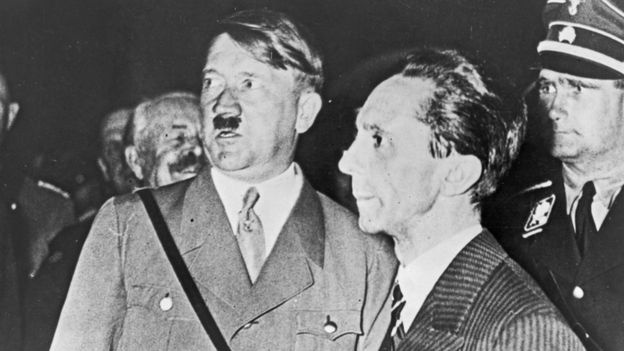
Mein Kampf:
• Mein Kampf (My Struggle) was originally printed in 1925 - eight years before Hitler came to power
• It outlines his political ideology and future plans for Germany, including Lebensraum, the need to colonise neighbouring territory to allow Germany to achieve its full potential
• The book was edited by Hitler's deputy, Rudolf Hess
• After Nazi Germany was defeated in 1945, the Allied forces handed the copyright to the book to the state of Bavaria
• The local authorities have refused to allow the book to be reprinted, to prevent incitement of hatred
• Under German law, copyright lasts for 70 years, so publishers will be able to have free access to the original text from this month
• German officials have said they will limit public access to the text amid fears that this could stir neo-Nazi sentiment
But Nazi guilt still very much informs German political culture today - even in the current refugee crisis. After 1945, Germany's constitution was set up as a reaction against Hitler's brutal treatment of political opponents which is why Article 16A stipulates that anyone fleeing political oppression has a right to asylum in Germany.
Chancellor Merkel has come under intense pressure over her policy on welcoming migrants Closing the door to refugees, Chancellor Angela Merkel has argued, would mean changing the country’s constitution.
For far-right extremists, this is an ideal opportunity to enflame xenophobia using an old Nazi trope: the pure German woman abused by the "foreigner." In the 1930s, for Nazis, it was the Jew. Today, for neo-Nazis, that "foreigner" is the Muslim.
Hitler's book may be back in the mainstream. But Germans are determined to make sure that his ideas never are.





Editor's Picks

Together, but apart: Nepal’s growing phubbing culture
Who is Nepal’s egg donation ban actually protecting?
Nepal-India relations in uncertain territory as new government charts assertive course

The sequel trend in Nepali cinema: Story continuity or commercial greed?

Crop-raiding monkeys are leaving hill farmers nothing to live on
E-PAPER | May 27, 2026

×