Trump threatens to annihilate Iran as diplomats push for deal at UN
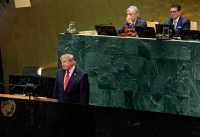
Washington and Tehran seek a way out of the nearly seven-month war as Gulf states push for de-escalation and reopening of the Strait of Hormuz.US President Donald Trump looks on at the end of his address, with United Nations Secretary-General Antonio Guterres and President of the UNGA Khalilur Rahman seated behind him, at the 81st United Nations General Assembly (UNGA), in New York City, US, September 22, 2026. Reuters
US President Donald Trump warned on Tuesday that he couldannihilate Iran if there is no deal to end the war, but also suggested anagreement could come soon amid a diplomatic push at the UnitedNations.
“I have a big decision to make,”Trump said in a speech at the UN General Assembly in New York.
“Will a deal be made with Iranthat lets them rebuild and create a far greater country than it ever wasbefore?... Or do I annihilate the Islamic Republic and do it quickly, nevergiving them a chance to kill and destroy people and countries again?”
In a statement on Tuesday, Iran’sArmed Forces dismissed Trump’s comments at the UN as “propaganda”, saying theirresponse is “full readiness to inflict more severe, crushing, and unpredictableblows on the aggressors.”
But away from the fiery rhetoric, discussionscontinued to try to end the nearly seven-month conflict that began with jointUS-Israeli strikes and has since killed thousands, driven up oil prices anddrawn in neighboring countries.
US envoy Steve Witkoff in apost on X said that the United States and Iran engaged in lengthy talks onTuesday on the sidelines of the UN General Assembly through mediators “who shuttledbetween the two sides throughout the day”.
The mediators will continuetheir work, Witkoff added, saying that he hoped Tuesday’s discussions would “proveconstructive and promising.”
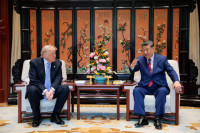
Trump also met the leaders of MiddleEastern countries who are keen to restore shipping through the Strait ofHormuz, the conduit for a fifth of global oil and gas shipments before the war,but are wary of giving their longstanding rival Iran too much power.
Many also host huge US militarybases that have come under repeated Iranian attack throughout the war.
“We think that the situationwith Iran could end right after the (November 3) midterm elections, maybebefore. I don’t know. You never know,” Trump said as he met the leaders.
The diplomatic maneuveringcomes as Trump faces pressure on multiple fronts — rising energy costs at home,a widening regional conflict abroad, and the midterms six weeks away that could reshape hispolitical standing. Whether talks produce a deal or the war escalates furthercarries consequences for global oil markets, Gulf security and millions ofIranians.
Iranian foreign minister AbbasAraqchi met with Prime Minister Sheikh Mohammed bin Abdulrahman Al Thani of Qatar,which has spent months trying to de-escalate the conflict, the Qatari statenews agency reported.
A senior Iranian official saidTehran could reopen the Strait of Hormuz within days if the US eased military pressureand lifted its blockade on Iranian ports.
The senior Iranian officialtold Reuters that Tehran had conveyed its latest proposal to Washington throughmediators last week and could reopen the strait to Gulf shipping within sevendays if its demands were met.
In a reminder of Iran’s firmposition so far, Parliament Speaker Mohammad Baqer Qalibaf, who headed Iran’snegotiating team at previous talks, said Iran would never surrender: “Trumpmust understand that he cannot impose his power on the Iranian people and itsarmed forces.”
Widening regional conflict
On the table at the Gulf states’meeting with Trump is a Qatari proposal for a common security framework involving Iran and theArab Gulf states, regional sources said. One source said Iran was reviewing the proposal.
Al Thani has said any sucharrangement would need to provide security guarantees for the Gulf states andexpand economic interdependence with Iran.
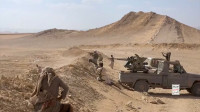
Saudi Arabia, the largest ofthe Gulf states, has been drawn deeper into the war this month as Iran-alignedHouthi fighters have advanced in Yemen, routing forces of the Saudi-backed governmentand threatening Saudi oil exports through the Red Sea.
The US, which bombed theHouthis for two months last year, has so far rebuffed repeated pleas fromSaudi Arabia’s Crown Prince Mohammed bin Salman to rejoin the fight. TheNew York Times reported that Trump called off US strikes against the Houthis onSunday at the last minute.
Asked why Washington had heldback from striking the Houthis, US Secretary of State Marco Rubio said theUnited States would always support Saudi Arabia, adding:
“That said, that is a verydangerous and complex conflict that pre-exists ... We have a history with theHouthis as well, and that’s something we don’t want to see impacted either.”
Oil markets did find somerelief on Tuesday after sources told Reuters that Saudi Arabia hadrestarted operations at its East-West Pipeline and could resume exports fromthe Red Sea port of Yanbu within hours, albeit at reduced volumes.
The pipeline, Saudi Arabia’smain export route bypassing wartime disruption in the Strait of Hormuz, hadbeen shut after attacks this month that Riyadh blamed on Iranian-backedgroups in Iraq.




 22.41°C Kathmandu