



 21.66°C Kathmandu

Mon, Oct 19, 2026
Valley
For evicted squatters, Dashain brings little to celebrate
Six months after losing their homes, families from Kathmandu’s Thapathali and Shankhamul settlements remain in holding centres, struggling without jobs or a clear path to permanent housing.
bookmark![]()
![]()
Nepal Photo Library
Published at : October 19, 2026
Updated at : October 19, 2026 09:18
Kathmandu
Since being displaced from Kathmandu’s Thapathali squatter settlement on April 25, Harimaya Jimba has spent six months in a government holding centre, waiting for a place to call home again.
She could not afford even a pair of glass bangles for Teej. With Dashain and Tihar approaching, the festivals are bringing into focus all she has lost: her home, her livelihood and the comfort of celebrating with her family.
Without a home or a job, Jimba does not know how she will celebrate the festivals this year. In previous years, she spent them with her family. This time, even that is uncertain.
“What is there for people like us to celebrate? What do Dashain and Tihar mean to us?” she said. “We used to earn a living and live together as a family, even if it was in a small hut. We ate together and enjoyed ourselves. Since our home was demolished on April 25, we have been separated, each of us in a different place.”
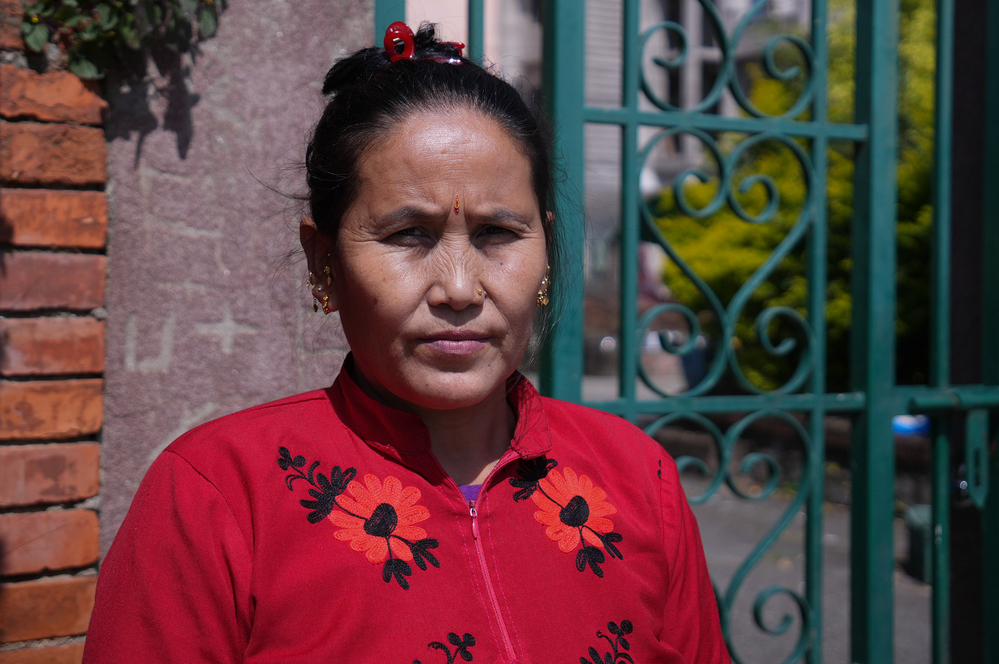
Jimba initially spent three months at a holding centre in Kirtipur before being moved to Bode in Bhaktapur, where she remains. The authorities brought the displaced families to the centres, saying their cases would be investigated, but there has been no clear plan for what happens next, she said.
While the accommodation itself is manageable, earning a living has become the bigger challenge. Before the eviction, Jimba and others in her settlement survived by working in the houses nearby. Their monthly earnings of Rs10,000 to Rs12,000 were enough to cover basic needs.
Since losing their homes and moving into the holding centre, however, they have also lost access to those jobs.
“The government provides us with two meals a day, but how long can we go on like this?” she said. “We need permanent housing so we can get back to work, live with our families and support ourselves.”
Pawan Gurung, who was displaced from the Shankhamul squatter settlement, is facing a similar predicament as Dashain approaches. Now vice-chair of the United National Squatters’ Front, Gurung was taken to the holding centre in Kharipati on April 21.
He said the authorities had ignored calls to arrange alternative accommodation before demolishing the settlements, leaving families struggling to rebuild their lives.
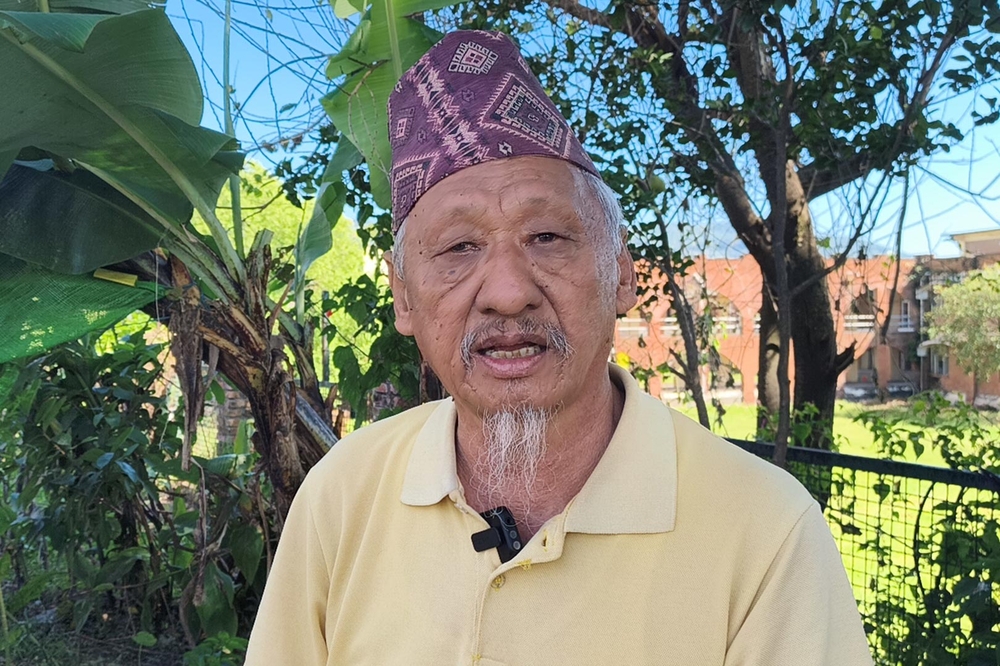
Rice and lentils are available at the holding centre, but the provisions do not meet everyone's needs, he said. Sick people and children, in particular, are not getting the nutritious food they require.
Two months after the demolitions, the government provided Rs25,000 to each affected family, Gurung said. It subsequently announced a monthly allowance of Rs15,000 for those living in rented accommodation, but no one had received the promised payments, he added.
Displaced families have repeatedly been assured that land would be arranged for them and ownership certificates issued. But there is still no clear timeline for when that might happen.
For families at the holding centres, the immediate concern is no longer just where their next meal will come from. They want to know where they will live permanently and how they will earn a living once government support ends.
“Ministers have told Parliament that squatters will be given land and have nothing to worry about,” Gurung said. “But when will we actually get that land? After we are dead?”
Nepal Photo Library
Nepal Photo Library is a Kathmandu-based news photography agency.



Most Read from Valley
Editor's Picks




E-PAPER | October 19, 2026

×