



 21.05°C Kathmandu
Fri, Oct 9, 2026
National
Dashain rush brings Dhankuta’s weekly markets to life
Farmers are selling livestock to cover festival expenses, while traders see rising demand for clothes, food and household essentials.
bookmark
Binod Ghimire
Published at : October 9, 2026
Updated at : October 9, 2026 13:56
Dhankuta
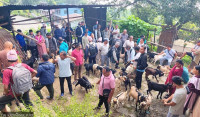
Weekly markets across Dhankuta are growing busier as Dashain approaches, with farmers bringing livestock and poultry to sell for festival income and shoppers stocking up on food, clothes and household essentials.
The seasonal rush is giving the local economy a boost. Farmers are selling animals they have raised throughout the year to pay for Dashain expenses, while traders are scrambling to meet rising demand for clothing, groceries and other consumer goods.
At Bihibare market in Dhankuta’s district headquarters, the number of people buying and selling goats has increased. Mobile traders from the Tarai have also begun arriving at weekly markets to sell clothes, utensils, shoes and slippers ahead of the festival.
Dhiraj Rauniyar, a clothing trader who has travelled from Biratnagar to sell his goods in Dhankuta, said customer numbers had risen as Dashain drew closer. Demand has increased for clothes, bed sheets, towels, blankets and duvet covers, among other items.
“Dashain and Tihar are the best time of year for business. We travel to almost every weekly market to sell our goods,” Rauniyar said.
Weekly markets are held on Thursdays in Dhankuta bazar and on Wednesdays in Sindhuwa, Ankhisalla and Chhintang. Shopping has also picked up in Hile, Jorpati, Labarbote, Dadabazar, Rajarani and 6 Number Budhabare, among other market centres.
Alongside clothing, traders are selling groceries, drinks, lime, sugar, beaten rice, flour and vegetable ghee as households prepare for the festival.
The markets also provide farmers with an opportunity to turn livestock raised over the past year into cash for household expenses. Dilsher Athpahariya, who travelled to Dhankuta to trade goats, said activity in weekly markets—where direct buying and selling occurs between farmers and consumers—increases as the festive season approaches.
Goat meat in Dhankuta costs between Rs900 and Rs1,100 per kilogram, according to Milan Khadgi, president of the Dhankuta Meat Traders’ Association. He expects demand for goats to rise further as Dashain nears.
Festival shopping provides farmers with cash from livestock sales and gives traders a seasonal boost. As households spend that money on festival essentials, much of it circulates back through local markets, supporting economic activity across the district.

Most Read from National

Balendra Shah UN speech: Full transcript of Nepal prime minister’s address to the 81st UN General Assembly
Heavy rains cut off key roads to Kathmandu
The speech Nepal — and the world — had been waiting for
For 26 years, India has searched passengers at Kathmandu airport. Nepal can’t say why
14 Nepalis missing on Himlung after avalanche as bad weather hampers rescue
Editor's Picks
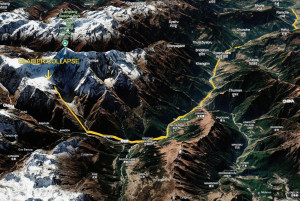
What triggered the Rasuwa flood? Scientists piece together a complex chain of events

The floods keep coming. Nepal keeps starting over
In a settlement destroyed by the Bhotekoshi flood, a disabled couple offer strangers the little they have
Nepal working on detailed assessment as Bhotekoshi flood reconstruction could cost up to $5 billion

Rabindra Dhant gave Nepal a reason to smile. Now his camp wants real action behind the praise
E-PAPER | October 09, 2026

×